
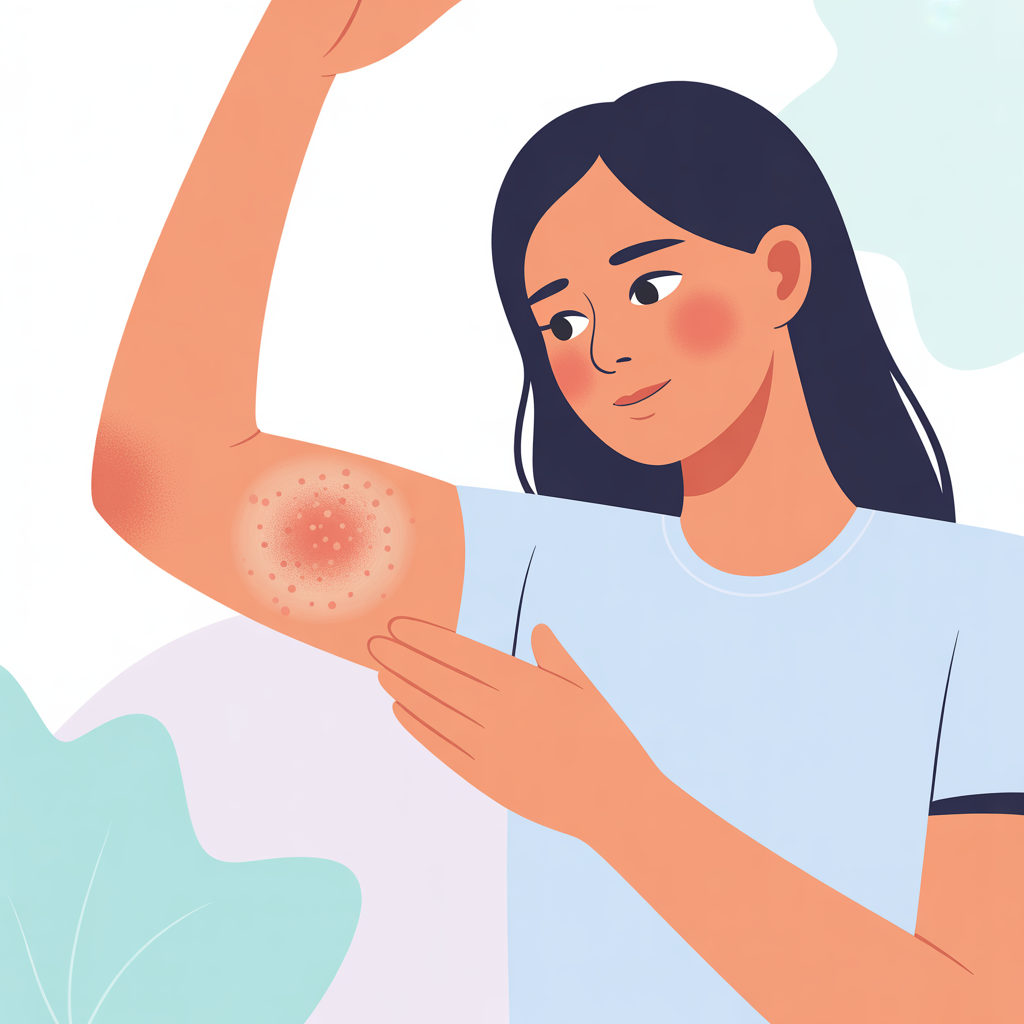
Scabies is a highly contagious skin condition caused by a microscopic mite called Sarcoptes scabiei. These tiny parasites burrow into the upper layers of human skin, where they live, feed, and lay eggs — triggering an intense immune reaction in the body. The result is a relentless itch and a distinctive rash that can appear anywhere on the body.
According to the World Health Organization (WHO), scabies affects more than 200 million people worldwide at any given time, making it one of the most common parasitic skin diseases globally. It affects people of all ages, races, and socioeconomic backgrounds, although it spreads more easily in crowded living conditions.
Understanding the symptoms of scabies is crucial for early diagnosis and preventing further spread to others. Below are the 10 most important symptoms you should know about.
1. Intense and Persistent Itching
The hallmark symptom of scabies is an overwhelming, relentless itching that often becomes unbearable, particularly at night. This nocturnal worsening occurs because the scabies mites are more active in warmer temperatures, such as when the body is under bed covers.
The itching is not caused directly by the mites burrowing into the skin, but rather by the body’s allergic reaction to the mites, their eggs, and their waste products. This means that itching may not begin until 2 to 6 weeks after the initial infestation in a person who has never had scabies before.
- Itching is typically the first and most prominent symptom.
- It can be so severe that it disrupts sleep and daily activities.
- People who have had scabies before may notice symptoms within 1 to 4 days of re-exposure due to a prior sensitized immune response.
The itch is widespread but tends to be worse in areas where mites burrow, such as the wrists, between the fingers, and around the waistline.
2. A Pimple-Like Scabies Rash
One of the most visible signs of scabies is a scabies rash that resembles small pimples, blisters, or tiny red bumps scattered across the skin. This rash is the result of the skin’s inflammatory response to the mite infestation.
The appearance of the scabies rash can vary depending on the individual’s skin tone and how long the infestation has been present:
- On lighter skin: The rash appears as red or pinkish raised bumps.
- On darker skin: The rash may appear as darker spots or hyperpigmented areas, making it harder to identify visually.
- The rash can sometimes look similar to other skin conditions such as eczema, dermatitis, or insect bites, which is why proper diagnosis by a healthcare provider is important.
The rash is typically widespread and may cover large areas of the body, especially in cases that have gone undiagnosed and untreated for a long time.
3. Burrow Tracks on the Skin
One of the most distinctive and definitive signs of scabies is the appearance of tiny, irregular burrow tracks on the surface of the skin. These burrows are created by the female mite as she tunnels into the outermost layer of skin (the stratum corneum) to lay her eggs.
Burrow tracks typically look like:
- Tiny, thread-like lines that are grayish-white or skin-colored.
- Usually 2 to 10 millimeters long.
- Sometimes with a small, dark dot at one end — the mite itself.
These burrows are most commonly found in the thin, soft areas of skin such as:
- Between the fingers and toes
- On the inner wrists
- Along the sides of the fingers
- On the soles of the feet
- Around the waistline, buttocks, and genitalia
Identifying burrow tracks is a strong clinical indicator of scabies, and a dermatologist may use a dermoscope or perform a skin scraping to confirm the presence of mites under a microscope.
4. Small Fluid-Filled Blisters (Vesicles)
In addition to pimple-like bumps, some people with scabies develop small vesicles — tiny blisters filled with clear fluid. These vesicles form as the immune system reacts aggressively to the mite infestation and are most commonly found on the hands, particularly on the palms and between the fingers.
These blisters can be easily mistaken for other conditions like:
- Dyshidrotic eczema (a type of eczema that also causes small blisters on hands)
- Contact dermatitis
- Chickenpox (especially in children)
The blisters are fragile and may burst when scratched, potentially leading to open sores that increase the risk of secondary bacterial infections. It is important not to scratch these blisters, as it can worsen the skin condition significantly.
5. Stress Bumps and Nodules on Fingers
A notable and commonly searched symptom is the appearance of scabies stress bumps on fingers — small, firm, itchy nodules or bumps that develop along the fingers and in the webbing between them. These nodules can persist even after the mites have been eliminated.
These bumps represent a hypersensitivity reaction within the skin tissue. In some cases, they may linger for weeks to months after successful treatment due to the continued immune response to mite remnants still present in the skin.
- Nodules are more common in adults and are often seen on the fingers, palms, and genital region.
- They can be confused with warts or cysts if not properly examined.
- A dermatologist’s evaluation is recommended if these bumps do not resolve after initial treatment.
6. Sores and Raw Skin from Scratching
Because the itching caused by scabies is so intense, most people scratch the affected areas frequently and vigorously. This constant scratching can break the skin open, leading to raw, crusty, or weeping sores on the surface.
These open wounds are a significant concern because they create entry points for bacteria, putting the person at risk of secondary skin infections such as:
- Impetigo — a bacterial skin infection caused by Staphylococcus or Streptococcus bacteria.
- Cellulitis — a deeper bacterial infection of the skin and underlying tissue.
In severe cases, untreated secondary infections from scabies scratching can lead to more serious systemic complications, including kidney disease (post-streptococcal glomerulonephritis). This makes early identification and medical consultation critically important.
7. Thick, Crusted Skin (Crusted or Norwegian Scabies)
A severe and highly contagious form of scabies, known as crusted scabies (formerly called Norwegian scabies), causes thick, grayish-white or yellowish crusts to form on the skin. Unlike typical scabies, which involves only 10–15 mites on the body, crusted scabies can involve thousands to millions of mites living in the thick skin crusts.
This form of scabies typically occurs in people with weakened immune systems, including:
- Elderly individuals
- People with HIV/AIDS
- Those undergoing chemotherapy
- People with certain neurological conditions that reduce the sensation of itch
Characteristics of crusted scabies include:
- Thick, scaly, or warty plaques on the skin — most commonly on the hands, feet, scalp, and nails.
- The itching may be less intense than typical scabies or even absent, due to the impaired immune response.
- Extremely contagious — even brief physical contact or contact with contaminated surfaces, clothing, or bedding can spread the mites.
Crusted scabies requires immediate and aggressive medical treatment. If you suspect this condition, consult a doctor right away.
8. Scabies on the Face and Scalp
In most adults, scabies mites do not typically infest the face or scalp. However, scabies on the face is a well-recognized occurrence in:
- Infants and very young children — where the scalp, face, neck, and even the palms and soles of the feet can be affected.
- Elderly individuals
- Immunocompromised patients (especially those with crusted scabies)
When scabies affects the face, the symptoms include:
- Red, itchy bumps or rash on the cheeks, around the nose, and chin.
- Crusting or scaling around the hairline and scalp in infants.
- Irritability and difficulty sleeping in babies who cannot communicate the intense itch they are experiencing.
Parents should be vigilant about unexplained rashes on an infant’s face or scalp and seek medical attention if scabies is suspected.
9. Rash in the Genital Area
Scabies frequently affects the genital region, including the penis, scrotum, buttocks, and inner thighs. In fact, the presence of itchy nodules or bumps in these areas is considered a classic sign of scabies in adult males.
Key characteristics of scabies in the genital area:
- Itchy red or pinkish nodules on the penis or scrotum are a hallmark feature.
- The condition can be mistaken for sexually transmitted infections (STIs) due to its location.
- Scabies is sometimes transmitted through sexual contact, although it can also spread through prolonged skin-to-skin contact in non-sexual contexts.
Anyone with unexplained genital itching and rash should consider seeing a healthcare professional to rule out both scabies and STIs, as proper diagnosis is essential for effective management.
10. Symptoms Spreading to Close Contacts
One of the most telling signs that someone may have scabies — rather than another skin condition — is when multiple people in the same household, classroom, or care facility develop similar symptoms at the same time. Scabies spreads efficiently through:
- Prolonged direct skin-to-skin contact with an infected person.
- Sharing clothing, towels, or bedding with an infected individual.
- Living in crowded environments such as nursing homes, dormitories, or prisons.
If you notice that family members or close contacts are all experiencing unexplained itching and rashes simultaneously, this is a strong clue pointing toward scabies. All close contacts should be evaluated and, if necessary, treated at the same time to prevent re-infestation — even if they don’t yet show symptoms.
What Causes Scabies?
Scabies is caused by the infestation of the microscopic mite Sarcoptes scabiei var. hominis. Understanding how these mites reach humans and spread is key to preventing the condition:
- Direct skin-to-skin contact: The most common route of transmission is prolonged, direct contact with an infected person — such as holding hands, sexual contact, or caring for an infected individual.
- Indirect contact: Although less common, scabies can be transmitted through sharing of clothing, towels, bed linens, or furniture that has been in contact with an infected person’s skin.
- Crowded living conditions: Environments such as nursing homes, prisons, refugee camps, and childcare centers create ideal conditions for scabies to spread rapidly among large groups of people.
- Weakened immune system: People with compromised immune systems are more susceptible to severe infestations (crusted scabies).
- Casual contact is usually not enough: Brief handshakes or hugs are generally not sufficient to transmit scabies mites, as they require prolonged contact to transfer from one person to another.
It is important to note that scabies is not a sign of poor hygiene. Anyone can get scabies regardless of how clean they are, although good hygiene practices can help reduce the risk of re-infestation.
How to Prevent Scabies
While scabies is highly contagious, there are practical steps you can take to reduce the risk of getting or spreading it:
- Avoid prolonged skin contact with a person known to have scabies until they have completed their treatment.
- Do not share personal items such as towels, clothing, or bedding with an infected person.
- Wash clothing and bedding in hot water (at least 50°C / 122°F) and dry them on a high heat setting if you or someone in your household has been diagnosed with scabies.
- Vacuum furniture and carpets thoroughly, especially those used by an infected person.
- Treat all close contacts simultaneously: Even if household members or sexual partners show no symptoms, they should be evaluated for treatment at the same time to prevent re-infestation cycles.
- Notify relevant parties: If scabies is identified in a school, childcare facility, or nursing home, authorities and staff should be informed immediately so group treatment can be organized.
- Seal items that cannot be washed in a plastic bag for at least 72 hours, as scabies mites cannot survive for more than 2–3 days away from human skin.
Early detection and prompt consultation with a healthcare provider are the most effective ways to stop scabies from spreading within a community.
Frequently Asked Questions (FAQ)
What is scabies?
Scabies is a contagious skin infestation caused by the microscopic mite Sarcoptes scabiei. The mites burrow into the skin, causing intense itching and a characteristic rash.
How do you get scabies?
Scabies is primarily spread through prolonged direct skin-to-skin contact with an infected person. It can also be transmitted by sharing clothing, towels, or bedding, though this is less common.
How can I identify scabies vs. other rashes?
The combination of intense nighttime itching, a pimple-like rash, and visible burrow tracks between the fingers and on the wrists are the most distinguishing signs. However, scabies can mimic other skin conditions, so a diagnosis from a healthcare professional is always recommended.
Can you get scabies on your face?
In adults, scabies rarely affects the face or scalp. However, in infants, young children, elderly people, and immunocompromised individuals, scabies can appear on the face, scalp, and neck.
How long does it take for scabies symptoms to appear?
If it’s your first time being infected, symptoms typically appear 2 to 6 weeks after exposure. If you’ve had scabies before, symptoms can appear within 1 to 4 days due to prior sensitization of the immune system.
Is scabies related to poor hygiene?
No. Scabies can affect anyone regardless of their hygiene habits. It is caused by mite infestation, not by being unclean. However, crowded living environments can increase the risk of transmission.
When should I see a doctor for scabies?
You should consult a doctor if you have persistent, unexplained itching (especially at night), a spreading rash, visible burrow tracks, or if multiple people in your household have similar symptoms. A doctor can confirm the diagnosis and recommend appropriate management. Always consult a healthcare professional before using any medication to treat scabies.
References: