
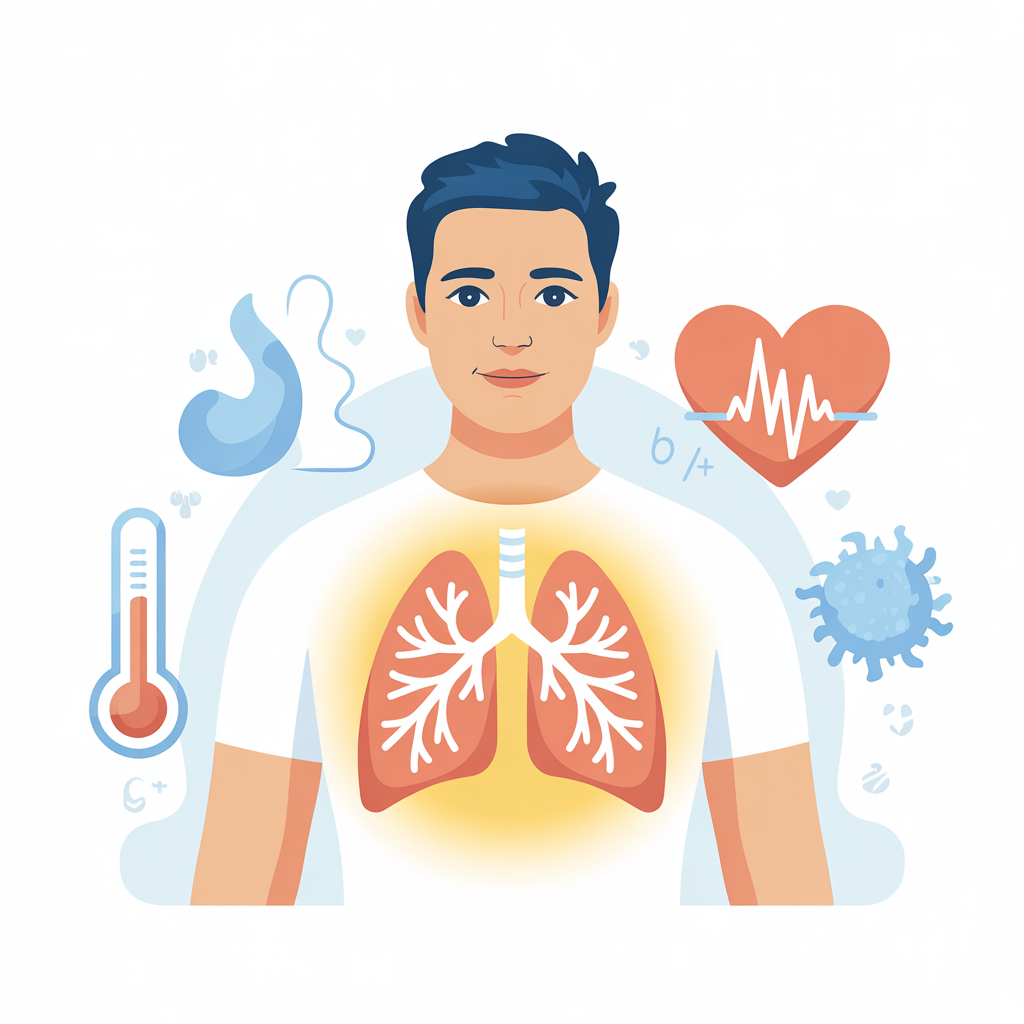
Pneumonia is a serious lung infection that inflames the air sacs in one or both lungs, causing them to fill with fluid or pus. It can affect anyone — from young children to older adults — but it tends to be most dangerous for infants, people over 65, and those with weakened immune systems. Understanding the symptoms of pneumonia early can make a significant difference in recovery time and overall outcome. In this article, we break down the key signs of pneumonia, what causes it, and how you can help prevent it.
1. Persistent or Worsening Cough
One of the earliest and most recognizable symptoms of pneumonia is a persistent cough. Unlike a typical cold cough, pneumonia cough often:
- Produces thick mucus (sputum) that may be green, yellow, or even rusty/blood-tinged
- Worsens over several days rather than improving
- Causes discomfort or pain deep in the chest with each cough
- Persists even after other symptoms begin to ease
This cough is your body’s attempt to clear the infected fluid accumulating in the lung tissue. In older adults or people with weakened immunity, the cough may be less pronounced but still present. If a cough has lasted more than a week and is accompanied by other symptoms below, seek medical evaluation promptly.
2. High Fever and Chills
A sudden high fever is a hallmark sign that the body is fighting a serious infection like pneumonia. Key characteristics include:
- Temperature: Often rises to 102°F (38.9°C) or higher
- Chills: Intense, uncontrollable shaking chills frequently accompany the fever
- Sweating: Profuse sweating, especially at night, is common as the body attempts to regulate temperature
- Duration: Fever may last several days and fluctuate in intensity
It is worth noting that some individuals — particularly older adults and those who are immunocompromised — may have a lower-than-normal body temperature instead of a fever when infected with pneumonia, making diagnosis more challenging without proper medical tests.
3. Chest Pain When Breathing or Coughing
Chest pain associated with pneumonia is often described as sharp or stabbing and typically worsens when you take a deep breath or cough. This pain occurs because the infection causes inflammation of the pleura (the lining surrounding the lungs), a condition known as pleuritis or pleurisy.
Important points to note:
- The pain is usually localized to one side of the chest, corresponding to the affected lung
- It may radiate to the shoulder or back in some cases
- Breathing may become shallow as a reflex to avoid pain, which can further reduce oxygen intake
- Severe or worsening chest pain always warrants immediate medical attention, as it could also indicate complications
4. Shortness of Breath (Dyspnea)
When the air sacs in the lungs fill with fluid or pus due to infection, gas exchange becomes impaired, leading to shortness of breath. This symptom may manifest as:
- Difficulty breathing even while resting
- Rapid, shallow breaths
- A feeling of not being able to take a full, satisfying breath
- Breathlessness during normal, low-effort activities such as walking to another room
In severe pneumonia cases, shortness of breath can become life-threatening, especially in elderly patients or those with pre-existing respiratory conditions like asthma or COPD. If you or someone nearby is experiencing significant difficulty breathing, seek emergency care immediately.
5. Fatigue and Extreme Weakness
Pneumonia places an enormous burden on the body’s immune system. As a result, profound fatigue is one of the most debilitating symptoms patients report. This goes far beyond normal tiredness:
- Patients often feel too exhausted to perform basic daily tasks
- Rest does not significantly relieve the exhaustion during the acute phase of infection
- Mental fatigue and difficulty concentrating may also occur
- Fatigue can persist for weeks or even months after the infection clears — a phase sometimes called “post-pneumonia fatigue”
This extreme tiredness is a signal that your body is diverting significant energy resources toward fighting the infection. It is important to rest, stay hydrated, and follow your healthcare provider’s advice during recovery.
6. Rapid or Labored Breathing
Closely related to shortness of breath, rapid breathing (tachypnea) is a distinct symptom where the respiratory rate increases beyond normal limits. In adults, a normal breathing rate is 12–20 breaths per minute. In pneumonia:
- Breathing rate can exceed 25–30 breaths per minute in adults
- In children, fast breathing is one of the most reliable early warning signs of pneumonia
- Breathing may appear labored, with visible effort involving the neck, shoulder, or abdominal muscles
- Nostrils may flare and there may be a grunting sound with each breath in young children
Rapid breathing is a critical sign that the body is struggling to maintain adequate oxygen levels and should be evaluated by a healthcare professional as soon as possible.
7. Bluish Lips or Fingertips (Cyanosis)
Cyanosis — a bluish or grayish discoloration of the lips, fingernails, or skin — is a serious warning sign indicating dangerously low oxygen levels in the blood (hypoxemia). This occurs because the infected lungs cannot effectively transfer oxygen to the bloodstream.
- In lighter-skinned individuals, cyanosis is most visible on the lips, nail beds, and around the mouth
- In darker-skinned individuals, it may be more apparent on the gums, inner lips, or under the nails
- This symptom is considered a medical emergency and requires immediate hospitalization
If you notice any bluish discoloration in yourself or someone else with suspected pneumonia, call emergency services (911 or your local emergency number) right away.
8. Nausea, Vomiting, and Diarrhea
While pneumonia is primarily a lung infection, it can cause significant gastrointestinal symptoms, particularly in children and older adults. These symptoms may include:
- Nausea and an upset stomach
- Vomiting, which may further contribute to dehydration
- Diarrhea, which can accompany bacterial forms of pneumonia
- Loss of appetite or complete inability to eat
These GI symptoms are largely triggered by the systemic inflammatory response the body mounts against the infection. They can worsen dehydration and weaken the patient further, so maintaining fluid intake is crucial. Seek medical guidance if vomiting or diarrhea is severe.
9. Headache
Many people with pneumonia experience persistent headaches as a systemic response to infection. These headaches are typically caused by:
- The body’s inflammatory response releasing chemicals (cytokines) that affect the brain
- High fever, which commonly triggers headache and sensitivity to light
- Dehydration resulting from fever, sweating, reduced fluid intake, and vomiting
- Reduced oxygen levels reaching the brain due to impaired lung function
While headache alone is not a definitive sign of pneumonia, when it appears alongside respiratory symptoms and fever, it strengthens the suspicion of a significant systemic infection. Staying well-hydrated can help ease headache severity, but the underlying infection must be treated under medical supervision.
10. Confusion or Altered Mental Status
A particularly concerning symptom — especially in adults over 65 — is sudden confusion, disorientation, or changes in mental awareness. This symptom is serious enough that it is included in clinical scoring tools (like CURB-65) to assess pneumonia severity. It may present as:
- Sudden confusion about time, place, or familiar people
- Difficulty with concentration, memory, or following conversations
- Unusual behavior or personality changes
- In severe cases, reduced consciousness or unresponsiveness
These neurological symptoms are likely caused by low blood oxygen levels, high fever affecting brain function, and the systemic inflammatory response. If an elderly person develops sudden confusion alongside any respiratory symptoms, it should be treated as a medical emergency.
11. Loss of Appetite
A significant decrease in appetite is extremely common during pneumonia and can affect both adults and children. The reasons behind this include:
- The body’s immune response naturally suppresses appetite to redirect energy toward fighting infection
- Nausea and gastrointestinal discomfort make eating unappealing or difficult
- Fatigue and weakness reduce the motivation or ability to prepare and consume food
- Breathing difficulty can make eating uncomfortable
While short-term loss of appetite is expected, prolonged inadequate nutrition can slow recovery and weaken immune function. Eating small, nutrient-dense meals and staying well-hydrated is strongly encouraged, even when appetite is poor.
12. Sweating and Clammy Skin
Excessive sweating, particularly during the night, is another common symptom of pneumonia. This occurs as the body works hard to regulate its elevated temperature caused by fever. Features of this symptom include:
- Drenching night sweats that soak clothing and bedding
- Clammy or moist skin to the touch, even when the person feels cold
- Alternating between episodes of intense sweating and severe chills
- Skin may appear pale or flushed depending on the phase of fever
Sweating leads to fluid and electrolyte loss, which can contribute to dehydration. It is essential to replace lost fluids by drinking water and clear fluids regularly throughout illness.
What Causes Pneumonia?
Pneumonia can be caused by a variety of infectious agents as well as non-infectious factors. Understanding the causes can help in prevention and appropriate medical response.
- Bacteria: The most common bacterial cause is Streptococcus pneumoniae. Other bacteria include Haemophilus influenzae, Legionella pneumophila (Legionnaire’s disease), and Mycoplasma pneumoniae (walking pneumonia).
- Viruses: Influenza (flu) virus, respiratory syncytial virus (RSV), rhinovirus, and SARS-CoV-2 (COVID-19) are all known to cause viral pneumonia.
- Fungi: Fungal pneumonia is more common in people with weakened immune systems. Common fungi include Pneumocystis jirovecii, Histoplasma, and Cryptococcus.
- Aspiration: When food, liquid, or stomach acid is accidentally inhaled into the lungs, it can lead to aspiration pneumonia. This is more common in people with swallowing difficulties.
- Hospital-acquired (nosocomial) pneumonia: Acquired during a hospital stay, often involving antibiotic-resistant bacteria, making it harder to treat.
Risk factors that increase vulnerability to pneumonia include smoking, chronic lung disease, heart disease, diabetes, weakened immune systems (from HIV/AIDS, chemotherapy, or organ transplants), and age (very young children and adults over 65 are at highest risk).
How to Help Prevent Pneumonia
While not all cases of pneumonia can be prevented, there are several important steps you can take to significantly reduce your risk:
- Vaccination: The pneumococcal vaccine protects against the most common bacterial cause of pneumonia. Annual flu vaccines also reduce the risk of viral pneumonia. COVID-19 vaccines have been shown to reduce the severity of respiratory illness. Talk to your doctor about which vaccines are appropriate for you.
- Practice good hand hygiene: Wash your hands frequently with soap and water for at least 20 seconds, especially after coughing, sneezing, or contact with sick individuals. Use alcohol-based hand sanitizer when soap is unavailable.
- Avoid smoking: Smoking damages the cilia and mucous membranes in the airways, severely impairing the lungs’ ability to clear pathogens. Quitting smoking significantly lowers your risk of developing pneumonia.
- Strengthen your immune system: Maintain a balanced diet rich in fruits, vegetables, and lean proteins. Regular physical activity, adequate sleep (7–9 hours per night), and effective stress management all contribute to a stronger immune response.
- Avoid close contact with sick individuals: During respiratory illness outbreaks, maintain distance from infected people and wear a mask if necessary, particularly in crowded or enclosed spaces.
- Manage chronic conditions: Conditions like diabetes, asthma, and heart disease can increase susceptibility to pneumonia. Work with your healthcare provider to keep these conditions well-controlled.
- Cover your mouth and nose: Always cover your mouth and nose with a tissue or your elbow when coughing or sneezing to prevent spreading respiratory pathogens to others.
Frequently Asked Questions (FAQs)
What is pneumonia?
Pneumonia is an infection that inflames the air sacs (alveoli) in one or both lungs. The air sacs may fill with fluid or pus, causing symptoms such as cough with phlegm, fever, chills, and difficulty breathing. It can be caused by bacteria, viruses, or fungi.
What are the first signs of pneumonia?
The earliest signs of pneumonia typically include a persistent cough (often with mucus), fever, chills, and a general feeling of fatigue or being unwell. Chest discomfort and mild shortness of breath may also appear early in the illness.
How is pneumonia different from a common cold or flu?
While colds and flu primarily cause upper respiratory symptoms (runny nose, sore throat), pneumonia specifically affects the lower respiratory tract (lungs). Pneumonia symptoms tend to be more severe, include significant chest pain, breathlessness, and high fever, and can be potentially life-threatening without proper care.
Can pneumonia symptoms appear in adults differently than in children?
Yes. In adults — particularly older adults — pneumonia may cause confusion, lower-than-normal body temperature, and less obvious fever. In children, fast breathing, flaring nostrils, and blue-tinged lips are particularly telling signs. Infants may show grunting, poor feeding, and unusual lethargy.
When should I see a doctor for pneumonia symptoms?
You should seek medical attention promptly if you experience a cough with colored mucus, high fever, chest pain, difficulty breathing, or persistent fatigue lasting more than a few days. Call emergency services immediately if you notice blue lips or fingertips, severe breathing difficulty, or sudden confusion — especially in elderly individuals or young children.
Is pneumonia contagious?
Bacterial and viral forms of pneumonia can be contagious, spreading through respiratory droplets when an infected person coughs, sneezes, or talks. However, not everyone exposed to the same pathogen will develop pneumonia. Fungal pneumonia is generally not spread from person to person.
What is “walking pneumonia”?
Walking pneumonia is a milder form of pneumonia, typically caused by Mycoplasma pneumoniae. People with walking pneumonia may not feel sick enough to stay in bed and may continue daily activities, hence the name. Symptoms include a persistent dry cough, low-grade fever, and fatigue, which can easily be mistaken for a prolonged cold.
Can pneumonia go away on its own?
Very mild cases in otherwise healthy individuals may improve without medical intervention, but this is not advisable to assume. Pneumonia can worsen rapidly and lead to serious complications. Always consult a healthcare professional for proper diagnosis and guidance. Do not take any medication without first consulting your doctor.
References: