
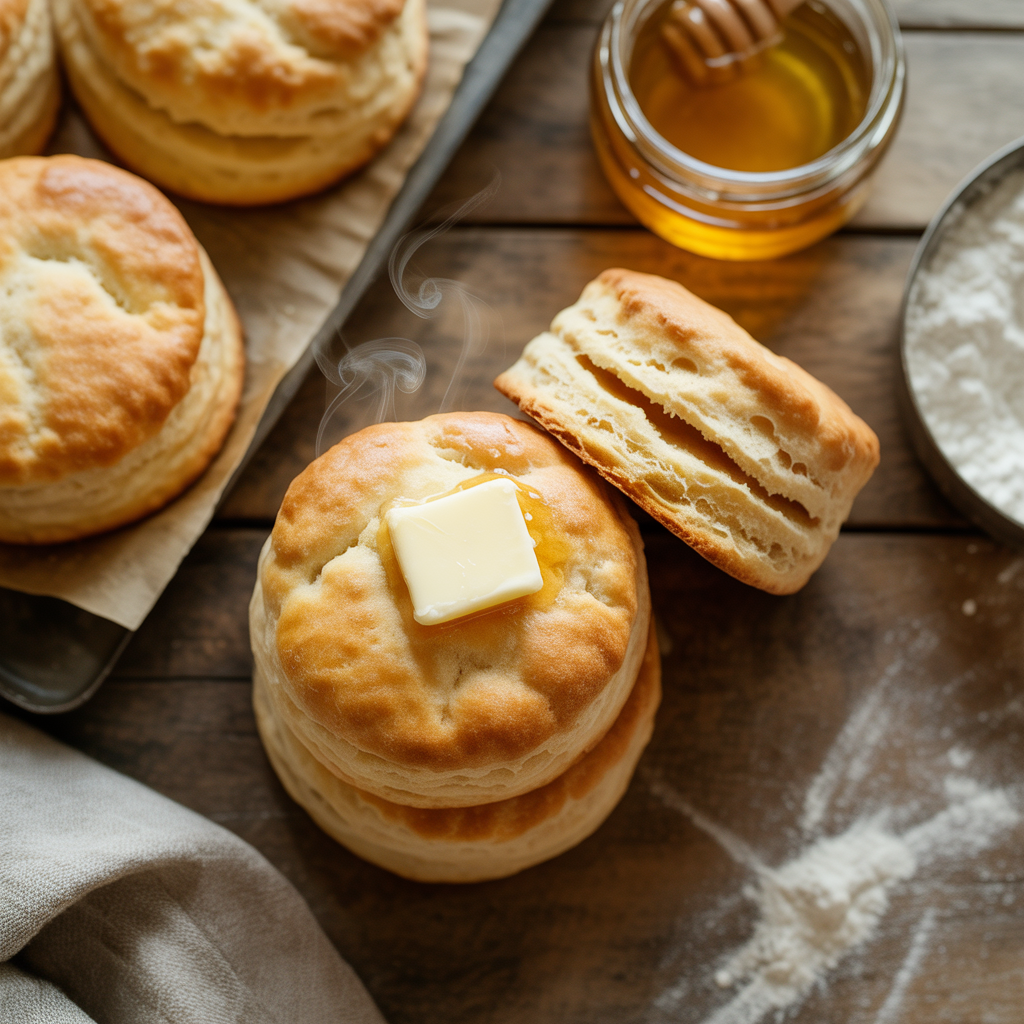
There’s nothing quite like a warm, flaky, buttery biscuit fresh out of the oven. Whether you’re serving them alongside a hearty breakfast, pairing them with gravy, or simply enjoying them with a pat of butter and honey, the perfect biscuit is a true comfort food classic. But achieving that ideal combination of flaky layers, rich buttery flavor, and soft, tender crumb can feel elusive. The good news? With the right techniques, ingredients, and a little know-how, you can consistently make biscuits that are nothing short of extraordinary.
This comprehensive guide will walk you through everything you need to know — from choosing the right ingredients to mastering the folding technique — so your biscuits turn out perfectly flaky, buttery, and soft every single time.
Understanding What Makes a Great Biscuit
Before diving into the recipe, it’s important to understand the science behind a great biscuit. A perfect biscuit has three key qualities:
- Flaky layers: Created by pockets of butter that steam during baking, separating the dough into distinct, crispy layers.
- Buttery flavor: Achieved through the generous use of high-quality butter and proper fat distribution throughout the dough.
- Soft and tender crumb: The result of minimal gluten development and the right ratio of fat to flour.
Each of these qualities depends on specific techniques and ingredient choices. Understanding them helps you troubleshoot problems and improve your results every time you bake.
Choosing the Right Ingredients
1. Flour: The Foundation
The type of flour you use dramatically impacts the texture of your biscuits. Soft wheat flour or all-purpose flour with lower protein content is ideal because it produces less gluten, resulting in a more tender biscuit.
- White Lily Flour is a Southern baker’s secret weapon — it’s made from soft winter wheat and has a lower protein content (around 8-9%) compared to standard all-purpose flour (10-12%). If you can find it, use it.
- All-purpose flour works well for most biscuit recipes. Just be careful not to overwork the dough.
- Cake flour can be blended with all-purpose flour (50/50 ratio) to reduce protein content if you want an extra-tender result.
2. Fat: Butter is King
The fat you choose is crucial. While shortening creates a tender crumb, unsalted butter is the gold standard for flavor and flakiness. Here’s why butter wins:
- Butter contains water (about 15-18%), which turns into steam during baking and creates those gorgeous flaky layers.
- Butter delivers unmatched rich, creamy flavor that shortening simply can’t replicate.
- Using cold butter is absolutely non-negotiable — warm butter melts into the dough instead of creating distinct pockets, eliminating the flaky texture.
Pro tip: Freeze your butter for 15-20 minutes before using it. Some bakers even grate frozen butter using a box grater for maximum flakiness.
3. Liquid: Buttermilk for the Win
Buttermilk is the traditional choice for biscuit making, and for good reason:
- Its acidity reacts with baking powder and baking soda to create extra lift and lightness.
- The tangy flavor adds depth to the biscuit’s overall taste profile.
- Its fat content contributes to tenderness.
If you don’t have buttermilk on hand, make a quick substitute: add 1 tablespoon of white vinegar or lemon juice to 1 cup of whole milk, stir, and let it sit for 5 minutes before using.
4. Leavening Agents: The Right Balance
Most biscuit recipes use a combination of baking powder and baking soda:
- Baking powder provides the primary rise.
- Baking soda reacts with the acidic buttermilk for additional lift and browning.
A common ratio is about 1 tablespoon of baking powder and ¼ teaspoon of baking soda per 2 cups of flour. Using fresh leavening agents is critical — old baking powder loses its potency and results in flat, dense biscuits.
5. Salt: Don’t Skip It
Salt enhances flavor and balances the richness of the butter. Use fine sea salt or table salt at about ¾ teaspoon per 2 cups of flour. If you’re using salted butter, reduce the salt slightly.
The Master Biscuit Recipe
Ingredients
- 2 cups (240g) all-purpose flour (preferably low-protein)
- 1 tablespoon baking powder
- ¼ teaspoon baking soda
- ¾ teaspoon fine sea salt
- 1 teaspoon sugar (optional, for slight sweetness)
- ½ cup (1 stick / 113g) unsalted butter, very cold or frozen
- ¾ cup (180ml) cold buttermilk, plus extra for brushing
Equipment You’ll Need
- Large mixing bowl
- Box grater (optional, for grating butter)
- Pastry cutter or two forks
- Rolling pin
- Sharp biscuit cutter (2½ to 3 inches in diameter)
- Baking sheet
- Parchment paper
Step-by-Step Instructions
Step 1: Preheat Your Oven
Preheat your oven to 425°F (220°C). A hot oven is essential — the high heat causes the butter to steam rapidly, creating lift and flakiness. Line a baking sheet with parchment paper or use a cast iron skillet for extra-crispy bottoms.
Step 2: Mix Your Dry Ingredients
In a large mixing bowl, whisk together the flour, baking powder, baking soda, salt, and sugar (if using). Whisking aerates the flour and ensures the leavening agents are evenly distributed throughout the mixture.
Step 3: Incorporate the Cold Butter
This is the most critical step for achieving flaky layers. There are a few methods:
Method A: Grated Butter (Recommended for Maximum Flakiness)
Using a box grater, grate the frozen butter directly into the flour mixture. Toss quickly with your fingers to coat each piece of butter in flour. This distributes butter evenly and creates countless small pockets for flakiness.
Method B: Pastry Cutter
Cut the cold butter into small cubes (about ½ inch) and use a pastry cutter or two knives to cut the butter into the flour until the mixture resembles coarse crumbs with some pea-sized pieces remaining. Work quickly to keep everything cold.
Method C: Hands
Using your fingertips (not your palms — they’re too warm), quickly flatten the butter cubes into thin sheets within the flour. This creates large, flat butter layers that translate to beautiful, distinct flaky layers in the finished biscuit.
Important: Stop when the mixture still has visible butter pieces. Overworking will melt the butter and result in greasy, dense biscuits. If the butter starts to soften, put the bowl in the freezer for 10 minutes before continuing.
Step 4: Add the Buttermilk
Create a well in the center of the flour-butter mixture. Pour in the cold buttermilk all at once. Using a fork or a rubber spatula, stir gently just until the dough comes together — do not overmix. The dough should look shaggy and rough. Some dry patches are okay; they’ll hydrate during folding and resting.
If the dough seems too dry, add buttermilk one tablespoon at a time. If it’s too sticky, lightly flour your hands but resist the urge to add too much flour — a slightly sticky dough produces a more tender biscuit.
Step 5: Turn Out and Fold the Dough (The Lamination Technique)
Turn the shaggy dough out onto a lightly floured surface. Pat it gently into a rough rectangle about 1 inch thick. Now use the letter fold technique (also called lamination) to create extra layers:
- Fold the dough in thirds, like folding a letter (left side over center, then right side over).
- Rotate the dough 90 degrees.
- Gently pat or roll to 1 inch thickness again.
- Repeat this folding process 3 to 4 times total.
This folding technique creates dozens of distinct layers by multiplying the butter sheets within the dough — similar to making croissants or puff pastry, just far simpler. After the final fold, pat the dough to about ¾ to 1 inch thickness.
Step 6: Cut the Biscuits
Using a sharp, round biscuit cutter (or a drinking glass with thin edges), press straight down with firm, decisive pressure. Do not twist the cutter — twisting seals the edges of the biscuit and prevents it from rising properly. Just press down and lift straight up.
Place the cut biscuits on your prepared baking sheet. For soft sides, place them touching each other — they’ll support each other as they rise. For crispier sides, space them about 1 inch apart.
Gather the scraps, fold them together gently, and cut additional biscuits. Be aware that second-cut biscuits will be slightly less tender due to additional gluten development.
Step 7: Chill the Biscuits
For the best results, place the pan of cut biscuits in the refrigerator for 15-20 minutes before baking. This re-chills any butter that may have softened during handling, ensuring maximum steam and lift in the oven.
Step 8: Add the Finishing Touch
Brush the tops of the biscuits with either:
- Cold buttermilk — for a subtle tang and gentle browning.
- Heavy cream — for a richer, deeper golden color.
- Melted butter — for extra buttery flavor and shine.
Step 9: Bake to Perfection
Bake in the preheated 425°F (220°C) oven for 12-15 minutes, until the tops are deeply golden brown and the sides are set. The high temperature is key — don’t be tempted to lower it.
Remove from the oven and immediately brush with melted butter while still hot. Serve warm for the best experience.
Key Techniques for Flaky, Buttery, Soft Biscuits
Keep Everything Cold
Temperature control is the single most important factor in biscuit making. Cold butter = steam = flaky layers. If at any point during the process your dough feels warm or the butter starts to look greasy, stop and refrigerate for 10-15 minutes before continuing.
Don’t Overwork the Dough
Overworking develops gluten, which makes biscuits tough and chewy rather than tender and soft. Mix only until the dough barely comes together, and fold the dough, don’t knead it. Less is always more when it comes to biscuit dough handling.
Use a Sharp Cutter
A dull cutter compresses the edges of the biscuit instead of cutting cleanly through them, preventing proper rise. Keep a sharp biscuit cutter dedicated to biscuit making, or use a sharp chef’s knife to cut square biscuits (which also eliminates the need to re-roll scraps).
The Right Thickness Matters
Roll or pat your dough to at least ¾ inch to 1 inch thick before cutting. Thinner dough produces shorter biscuits with less dramatic layering. Thicker dough gives you that impressive tall, layered biscuit that everyone wants.
Hot Oven, No Excuses
Baking biscuits at a high temperature (425°F / 220°C) creates rapid steam from the butter, which drives the layers apart and creates height. Lower temperatures produce flat, dense biscuits. Make sure your oven is fully preheated and accurate — use an oven thermometer if in doubt.
Common Biscuit Mistakes and How to Fix Them
Problem: Biscuits Are Flat and Dense
Causes and solutions:
- Butter was too warm — keep everything cold; use frozen butter.
- Leavening agents are old — replace your baking powder and baking soda.
- Dough was overworked — handle the dough as little as possible.
- Oven temperature was too low — verify with an oven thermometer.
- Cutter was twisted — press straight down without rotating.
Problem: Biscuits Are Tough and Chewy
Causes and solutions:
- Too much flour — measure flour by spooning it into the cup and leveling off, or use a kitchen scale for accuracy.
- Dough was over-kneaded — fold, don’t knead.
- Too much liquid — add liquid gradually until the dough just comes together.
Problem: Biscuits Are Not Flaky
Causes and solutions:
- Butter was too warm or melted into the dough — keep butter frozen or very cold.
- Butter pieces were too small — leave some pea-sized butter pieces in the dough.
- Dough wasn’t folded — use the letter-fold lamination technique.
Problem: Biscuits Are Dry
Causes and solutions:
- Too much flour was added — measure carefully.
- Overbaked — check at 12 minutes and remove when golden.
- Not enough fat — ensure you’re using the correct amount of butter.
Delicious Variations to Try
Cheddar and Herb Biscuits
Add ½ cup of shredded sharp cheddar cheese and 1 tablespoon of fresh chives or rosemary to the dry ingredients before adding butter. These are incredible alongside soup or chili.
Honey Butter Biscuits
Brush freshly baked biscuits with a mixture of 2 tablespoons melted butter and 1 tablespoon of warm honey. Finish with a tiny pinch of flaky sea salt for a sweet-savory combination that’s absolutely divine.
Everything Bagel Biscuits
Brush with egg wash and sprinkle with everything bagel seasoning before baking. These make an excellent base for breakfast sandwiches.
Whole Wheat Biscuits
Replace half the all-purpose flour with whole wheat flour for a nuttier, heartier biscuit with slightly more structure. Add a touch of honey for balance.
Drop Biscuits
For a quicker, rustic version, increase the buttermilk to 1 cup and simply drop heaping spoonfuls onto the baking sheet without rolling or cutting. These are softer and more pillowy with slightly irregular edges — and just as delicious.
Serving Suggestions
Fresh biscuits are incredibly versatile. Here are some of the best ways to enjoy them:
- Classic Biscuits and Gravy: Split biscuits and smother with creamy sausage gravy for the ultimate Southern comfort meal.
- Breakfast Sandwich: Layer with scrambled eggs, crispy bacon, and melted cheese.
- Strawberry Shortcake: Split biscuits and layer with sweetened strawberries and whipped cream.
- Simple and Pure: Split while warm and spread with softened butter and fruit jam or honey.
- Alongside Soups and Stews: Serve as a side to chicken soup, beef stew, or chili for a hearty, satisfying meal.
Storage and Reheating Tips
Storing Baked Biscuits
- Room temperature: Store in an airtight container for up to 2 days.
- Refrigerator: Keep for up to 5 days in an airtight container. Note that refrigeration can make biscuits slightly denser.
- Freezer: Baked biscuits freeze beautifully. Wrap individually and freeze for up to 3 months.
Reheating Biscuits
- Oven (best method): Wrap in foil and heat at 350°F (175°C) for 10 minutes, or unwrapped for 5 minutes to re-crisp the exterior.
- Microwave (quick method): Wrap in a damp paper towel and heat for 20-30 seconds. Not ideal for crispiness but works for softness.
Make-Ahead Options
You can prepare biscuit dough in advance in two ways:
- Refrigerate the cut biscuits overnight on the baking sheet covered with plastic wrap. Bake directly from the refrigerator in the morning for fresh biscuits with minimal effort.
- Freeze unbaked biscuits on a baking sheet until solid, then transfer to a freezer bag. Bake from frozen at 425°F (220°C), adding 3-5 extra minutes to the baking time.
Final Tips for Biscuit Perfection
- Use a kitchen scale for the most accurate measurements, especially for flour.
- Don’t skip the resting/chilling step after cutting — it makes a noticeable difference in rise and flakiness.
- Bake biscuits close together on the pan if you want them to rise taller (they support each other).
- Cast iron skillets produce biscuits with incredibly crispy bottoms and steam-baked sides — highly recommended.
- Practice makes perfect — biscuit making is a skill that improves with repetition. Your third batch will be better than your first.
Making truly exceptional biscuits comes down to respecting a few fundamental principles: keep your ingredients cold, handle the dough gently, use quality ingredients, and bake hot and fast. Master these principles, and you’ll be turning out bakery-worthy biscuits that are perfectly flaky, deeply buttery, and wonderfully soft — every single time. Whether you’re a beginner finding your way in the kitchen or an experienced baker looking to refine your technique, these tips and this recipe will serve you well for years to come. Happy baking!