
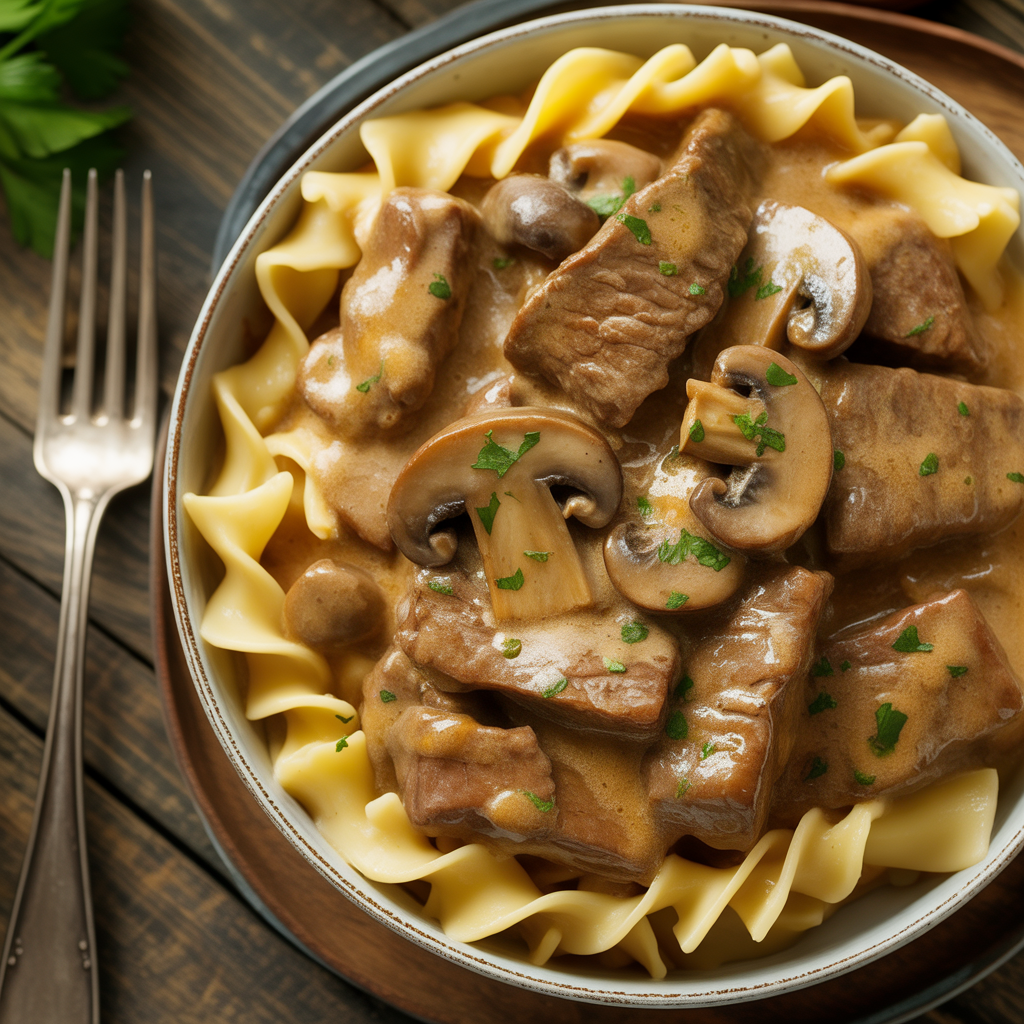
Beef Stroganoff is one of those timeless comfort food classics that never goes out of style. But if you’ve ever ended up with a dish that’s tough, dry, or has a sauce that’s too thin or curdled, you know how frustrating it can be. The good news? Achieving that perfectly creamy and tender Beef Stroganoff is absolutely within reach — and in this guide, we’ll walk you through every step, tip, and technique to make it happen.
What Is Beef Stroganoff?
Beef Stroganoff is a Russian dish that dates back to the 19th century. It traditionally features sautéed pieces of beef served in a sauce with smetana (sour cream). Over time, it has evolved into countless variations, but the core elements remain: tender beef, savory mushrooms, and a rich, creamy sauce. It’s typically served over egg noodles, rice, or mashed potatoes.
Choosing the Right Cut of Beef
The cut of beef you choose is the single most important factor in determining how tender your Stroganoff will be. Here are the best options:
Best Cuts for Beef Stroganoff
- Beef Tenderloin (Filet Mignon): The most tender cut available. It cooks quickly and stays incredibly soft. Best for a premium, restaurant-quality dish.
- Sirloin Steak: A great balance between tenderness and flavor. It’s more affordable than tenderloin and works beautifully when sliced thin.
- Ribeye: Rich in marbling, which adds flavor and juiciness. Slightly chewier than tenderloin but very satisfying.
- Flank Steak or Skirt Steak: More budget-friendly options. They require careful slicing against the grain and should not be overcooked.
Cuts to avoid: Chuck roast or stew beef can work in slow-cooked versions but tend to become rubbery or dry when cooked quickly in a skillet.
How to Properly Prepare the Beef
Even with the right cut, improper preparation can ruin the texture. Follow these steps:
1. Slice Against the Grain
Always cut your beef across the grain — meaning perpendicular to the direction of the muscle fibers. This shortens the fibers and makes each bite more tender. Aim for strips about ¼ inch thick and 2 inches long.
2. Partially Freeze the Beef
For easier, cleaner slicing, place the beef in the freezer for 20–30 minutes before cutting. This firms up the meat without freezing it solid, making it much easier to cut thin, even strips.
3. Pat the Beef Dry
Before cooking, use paper towels to thoroughly pat the beef dry. Moisture is the enemy of a good sear. Wet meat steams instead of sears, resulting in gray, flavorless strips.
4. Season Generously
Season the beef strips with salt and freshly ground black pepper right before cooking. You can also add a light dusting of flour to help with browning and to thicken the sauce later.
The Secret to a Perfect Sear
Searing the beef correctly is crucial for both flavor and texture. Here’s how to do it right:
- Use a heavy-bottomed skillet or cast iron pan. These retain heat evenly and create a proper sear.
- Get the pan very hot before adding the beef. You want it to sizzle loudly the moment it hits the pan.
- Use a high smoke-point oil such as vegetable oil, canola oil, or clarified butter.
- Cook in small batches. Overcrowding the pan drops the temperature and causes the beef to steam rather than sear.
- Don’t move the beef. Let it sit undisturbed for 1–2 minutes per side until a golden-brown crust forms.
- Do not overcook. For tender Stroganoff, the beef should be cooked to medium or medium-rare during the searing phase, as it will continue to cook slightly when returned to the sauce.
Remove the seared beef from the pan and set it aside. It will be added back at the very end of the cooking process to avoid toughening.
Building the Flavor Base
The depth of your Stroganoff sauce depends on the aromatics and ingredients you build it with. Here’s what you’ll need:
Ingredients for the Sauce Base
- 1 large onion, thinly sliced
- 3–4 cloves of garlic, minced
- 8–12 oz cremini or button mushrooms, sliced
- 2 tablespoons unsalted butter
- 1 tablespoon all-purpose flour
- 1 cup beef broth (low sodium recommended)
- 1 tablespoon Worcestershire sauce
- 1 teaspoon Dijon mustard
- Salt and pepper to taste
- ¾ cup full-fat sour cream
Step-by-Step Sauce Instructions
- Sauté the onions in butter over medium heat until they are soft and translucent, about 5–7 minutes. Don’t rush this step — caramelized onions add sweetness and depth.
- Add the mushrooms and cook until they release their liquid and begin to brown, about 5–6 minutes. Season with salt and pepper.
- Add the garlic and cook for another 1 minute until fragrant.
- Sprinkle flour over the mushroom mixture and stir to coat. Cook for 1 minute to eliminate the raw flour taste.
- Deglaze the pan with beef broth, scraping up any browned bits from the bottom — these are full of flavor.
- Add Worcestershire sauce and Dijon mustard. Stir to combine.
- Simmer the sauce for 5–7 minutes until it thickens slightly.
How to Make the Sauce Perfectly Creamy
This is where many home cooks go wrong. Adding sour cream incorrectly can cause it to curdle or separate, leaving you with a grainy, broken sauce. Follow these tips to get a silky, creamy result every time:
1. Temper the Sour Cream
Before adding sour cream to the hot sauce, temper it by mixing a few spoonfuls of the hot sauce into the sour cream in a separate bowl. This gradually raises its temperature and prevents curdling when it hits the pan.
2. Use Full-Fat Sour Cream
Low-fat or non-fat sour cream is much more likely to curdle due to its lower fat content. Always use full-fat sour cream for the best texture and flavor.
3. Add Sour Cream Off the Heat
Once you’ve tempered the sour cream, remove the pan from the heat before stirring it in. This prevents the sauce from reaching a boil after the sour cream is added, which is the primary cause of curdling.
4. Never Let It Boil After Adding Sour Cream
If you need to warm the dish after adding the sour cream, do so over very low heat and stir constantly. Never let it reach a boil.
Optional Cream Additions for Extra Richness
For an even richer sauce, some chefs add a splash of heavy cream (about ¼ cup) along with or instead of part of the sour cream. This creates a more stable sauce that’s less prone to separating, while still being wonderfully creamy.
Bringing It All Together
Once your sauce is ready and creamy, it’s time to bring everything together:
- Return the seared beef strips to the pan with the sauce.
- Gently fold the beef into the sauce — do not stir vigorously as this can toughen the meat.
- Let everything rest together for 2–3 minutes over the lowest possible heat so the flavors meld without overcooking the beef.
- Taste and adjust seasoning with salt, pepper, or a tiny squeeze of lemon juice for brightness.
- Garnish with freshly chopped flat-leaf parsley before serving.
What to Serve with Beef Stroganoff
The creamy sauce pairs beautifully with several options:
- Egg Noodles: The classic choice. Wide egg noodles hold the sauce perfectly.
- White Rice or Brown Rice: A simple, absorbent base that lets the sauce shine.
- Mashed Potatoes: Incredibly indulgent and comforting.
- Crusty Bread: Perfect for mopping up every last bit of sauce.
- Steamed Rice Noodles: A lighter alternative that still pairs well.
Common Mistakes and How to Avoid Them
Mistake 1: Overcooking the Beef
Overcooked beef becomes tough and chewy. Always sear quickly over high heat and avoid adding it to the sauce too early.
Mistake 2: Crowding the Pan
As mentioned, cooking too much beef at once causes steaming instead of searing. Work in batches.
Mistake 3: Using Low-Fat Dairy
Low-fat sour cream or yogurt substitutes will almost certainly break the sauce. Stick to full-fat products.
Mistake 4: Boiling After Adding Sour Cream
High heat after adding sour cream will cause it to curdle. Always reduce heat before and after incorporating sour cream.
Mistake 5: Skipping the Deglazing Step
The browned bits stuck to the bottom of the pan after searing the beef are packed with flavor. Don’t skip deglazing with beef broth.
Make-Ahead and Storage Tips
Beef Stroganoff can be made ahead, but the sour cream sauce is best added fresh. Here’s how to handle it:
- Make-ahead: Prepare everything up to the point of adding the sour cream. Store the sauce and beef separately in the refrigerator for up to 2 days. When ready to serve, reheat gently and stir in the sour cream.
- Leftovers: Store in an airtight container for up to 3 days. Reheat on the stovetop over low heat, never in the microwave if possible, as it can cause the sauce to separate.
- Freezing: Not recommended once sour cream is added, as dairy sauces do not freeze well. You can freeze the beef and broth-based sauce (before adding sour cream) for up to 2 months.
Recipe Variations to Try
Classic Beef Stroganoff
Stick to the traditional recipe with sour cream, mushrooms, onions, and egg noodles for a timeless dish.
Slow Cooker Beef Stroganoff
Use a tougher cut like chuck roast. Slow cook on low for 6–8 hours. Shred the beef and stir in sour cream at the end. This method produces an incredibly tender result due to long braising time.
Instant Pot Beef Stroganoff
Pressure cook beef in broth for 20–25 minutes on high. Release pressure, switch to sauté mode, thicken the sauce, and stir in sour cream off heat.
Lighter Version
Substitute half the sour cream with Greek yogurt for a slightly lighter dish with a similar tang and creaminess.
Final Tips for the Creamiest, Most Tender Beef Stroganoff
- Always use room temperature sour cream — cold sour cream is more likely to curdle.
- A small amount of cream cheese (2 oz) blended into the sauce adds extra creaminess and stability.
- A splash of dry white wine or brandy added after the onions adds complexity to the flavor.
- Fresh thyme or dill adds wonderful herbal notes that complement the beef and cream beautifully.
- Taste and balance the sauce — if it’s too rich, a small squeeze of fresh lemon juice brightens everything up.
Conclusion
Making a creamy and tender Beef Stroganoff is all about understanding the key principles: choosing the right cut of beef, searing it properly, building a flavor-packed sauce, and handling the sour cream with care. Once you master these fundamentals, you’ll be able to produce a dish that’s restaurant-quality every single time. Whether you’re making it for a weeknight dinner or a special occasion, this classic comfort food is always worth the effort.
Now that you know all the secrets, it’s time to head to the kitchen and make the best Beef Stroganoff of your life. Enjoy!