
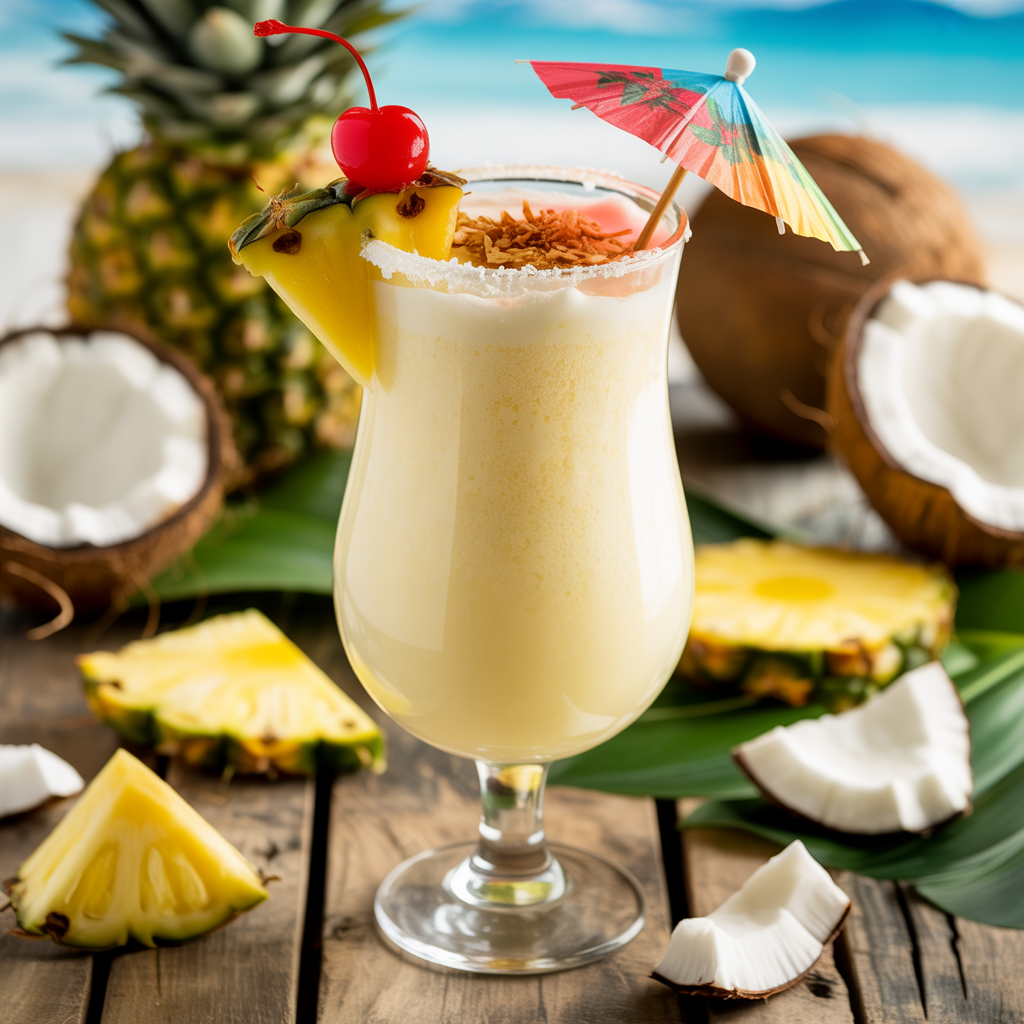
If you’re dreaming of a tropical escape, a Pina Colada is the perfect drink to transport you straight to the beach. With its creamy coconut base, sweet pineapple flavor, and smooth rum kick, this classic cocktail has been a crowd favorite since the 1950s. Whether you’re hosting a summer party or simply unwinding after a long day, this easy Pina Colada recipe will become your go-to tropical treat.
What Is a Pina Colada?
A Pina Colada is a sweet, creamy cocktail made with rum, coconut cream (or coconut milk), and pineapple juice. The name literally translates from Spanish as “strained pineapple” — a nod to its star ingredient. It was officially declared the national drink of Puerto Rico in 1978 and has since become one of the most beloved tropical cocktails in the world.
Traditionally served blended with ice or over crushed ice, the Pina Colada is known for its thick, milkshake-like consistency and vibrant tropical flavor. It’s refreshing, indulgent, and incredibly satisfying.
Why You’ll Love This Recipe
- Quick and easy: Ready in just 5 minutes with a blender.
- Customizable: Adjust the sweetness, creaminess, or alcohol level to your preference.
- Perfect for parties: Easily scalable to make a big batch.
- Mocktail-friendly: Simply skip the rum for a delicious non-alcoholic version.
- Restaurant-quality at home: Tastes just as good as any beach bar version.
Ingredients You’ll Need
This recipe makes 2 servings. Here’s what you’ll need:
- 2 oz (60ml) white rum (or coconut rum for extra flavor)
- 4 oz (120ml) pineapple juice (fresh or canned)
- 2 oz (60ml) coconut cream (not coconut milk — coconut cream is richer)
- 1 cup (about 8–10 cubes) of ice
- Optional: ½ cup fresh or frozen pineapple chunks for extra texture
For Garnish
- Pineapple slices or wedges
- Maraschino cherries
- Toasted coconut flakes
- A fun paper umbrella (optional but highly recommended!)
Ingredient Notes & Substitutions
Rum
White rum is the classic choice because it has a clean, light flavor that doesn’t overpower the pineapple and coconut. However, coconut rum (like Malibu) adds a beautiful tropical depth, while dark rum gives a richer, more complex taste. For a non-alcoholic version, simply omit the rum entirely — the drink is still absolutely delicious.
Coconut Cream vs. Coconut Milk
This is one of the most important distinctions in making a great Pina Colada. Coconut cream is thick, rich, and full-flavored, giving your cocktail that signature creamy texture. Coconut milk is much thinner and lighter. You can use coconut milk if that’s all you have, but the result will be less creamy. Cream of coconut (like Coco López) is a sweetened version and is also commonly used — just reduce any added sweetener if you use it.
Pineapple Juice
Canned pineapple juice works perfectly and is very convenient. Fresh pineapple juice will give a brighter, more vibrant flavor. You can also use frozen pineapple chunks in place of some of the juice to get a thicker, frostier drink.
How to Make a Pina Colada (Step-by-Step)
Step 1: Gather Your Ingredients
Measure out your rum, pineapple juice, coconut cream, and ice before you begin. Having everything ready makes the process smooth and quick.
Step 2: Add Everything to the Blender
Add the rum, pineapple juice, coconut cream, and ice to a blender. If you’re using fresh or frozen pineapple chunks, add those now as well.
Step 3: Blend Until Smooth
Blend on high speed for about 30–45 seconds, or until the mixture is completely smooth and frothy. The consistency should be thick like a smoothie — not too watery and not too icy. If it’s too thick, add a splash of pineapple juice. If it’s too thin, add a few more ice cubes.
Step 4: Taste and Adjust
Give it a quick taste! Want it sweeter? Add a teaspoon of sugar or a splash more coconut cream. Want more pineapple flavor? Add a bit more pineapple juice. This step is key to making it perfect for your taste.
Step 5: Pour and Garnish
Pour the blended Pina Colada into a chilled glass (a hurricane glass or a tall glass works beautifully). Garnish with a slice of fresh pineapple, a maraschino cherry, and a sprinkle of toasted coconut flakes. Add a colorful straw and paper umbrella for the full tropical experience.
Tips for the Best Pina Colada
- Use frozen pineapple: Swap some or all of the ice for frozen pineapple chunks. This keeps the drink cold while concentrating the pineapple flavor without diluting it with water.
- Chill your glass: Pop your glass in the freezer for 10–15 minutes before serving to keep the drink cold longer.
- Don’t over-blend: Over-blending can melt the ice too quickly and make the drink watery. Blend just until smooth.
- Use quality rum: Since rum is a primary ingredient, using a good-quality white rum makes a noticeable difference.
- Balance is key: The best Pina Colada has a perfect balance of sweet, creamy, and tangy. Don’t be afraid to taste and adjust before serving.
Variations to Try
Virgin Pina Colada (Mocktail)
Simply leave out the rum and follow the rest of the recipe exactly as written. You’ll get a wonderfully creamy, tropical mocktail that everyone — including kids — can enjoy. You can also add a splash of lime juice for a bit of extra tartness.
Strawberry Pina Colada
Add ½ cup of frozen strawberries to the blender along with the other ingredients for a gorgeous pink twist on the classic. The strawberry and pineapple combination is absolutely divine.
Frozen Mango Pina Colada
Replace half the pineapple juice with mango juice or add ½ cup of frozen mango chunks. This gives the drink a golden color and an extra layer of tropical sweetness.
Spicy Pina Colada
For the adventurous crowd, add a small slice of fresh jalapeño before blending. The heat contrasts beautifully with the sweet, creamy base.
Coconut Rum Pina Colada
Swap the white rum for coconut rum (like Malibu or Parrot Bay) for an intensified coconut flavor throughout the drink.
How to Make a Large Batch for a Party
Hosting a crowd? You can easily scale this recipe up. To make a pitcher-style batch:
- Multiply all ingredient quantities by the number of servings needed.
- Blend in batches and pour into a large pitcher.
- Keep the pitcher in the freezer until ready to serve (give it a good stir before pouring).
- Alternatively, set up a Pina Colada bar with all the ingredients pre-measured and let guests blend their own.
Serving Suggestions
A Pina Colada is the perfect companion for:
- Grilled seafood like shrimp skewers or fish tacos
- Tropical appetizers like mango salsa and chips
- Coconut shrimp
- Fruit platters with pineapple, mango, and papaya
- BBQ dishes at summer cookouts
Nutritional Information (Per Serving, Approximate)
- Calories: 280–320 kcal
- Carbohydrates: 28g
- Fat: 10g (from coconut cream)
- Sugar: 22g
- Alcohol: Approximately 14g (from 2 oz rum)
Note: Nutritional values will vary depending on the specific brands and quantities used.
Frequently Asked Questions
Can I make a Pina Colada without a blender?
Yes! You can make a shaken Pina Colada by combining all the ingredients (without ice cubes, just use crushed ice) in a cocktail shaker, shaking vigorously, and straining over crushed ice. It won’t be as thick and creamy as the blended version, but it’s still delicious.
What’s the difference between coconut cream and cream of coconut?
Coconut cream is an unsweetened, thick product made by simmering coconut flesh in water. Cream of coconut (like Coco López) is sweetened and specifically designed for cocktails and desserts. Both can be used in a Pina Colada — cream of coconut gives a sweeter result, while coconut cream gives you more control over the sweetness level.
How do I store leftover Pina Colada?
You can store leftover blended Pina Colada in an airtight container in the freezer for up to 2 days. Let it sit at room temperature for a few minutes before giving it a quick blend to restore the smooth texture.
Can I use canned pineapple instead of pineapple juice?
Absolutely! Canned pineapple chunks (with their juice) work wonderfully. They’ll give the drink a slightly thicker consistency and may add a bit more sweetness. Drain some of the syrup if the drink is too sweet.
What type of glass should I use for a Pina Colada?
The classic choice is a hurricane glass — the tall, curved glass that shows off the drink’s beautiful color. However, any large glass works well, including a highball glass, a mason jar, or even a fun tiki mug for extra tropical vibes.
The History of the Pina Colada
The Pina Colada has a fascinating history rooted in Puerto Rico. The most widely accepted origin story credits bartender Ramón “Monchito” Marrero of the Caribe Hilton Hotel in San Juan, who reportedly created the drink in 1954. He spent three months perfecting the recipe before finally settling on the combination of rum, coconut cream, and pineapple juice that we know today.
Another claim comes from bartender Ramón Portas Mingot, who reportedly made a version of the drink at a different San Juan bar in 1963. Regardless of its exact origin, the drink became iconic in Puerto Rico and worldwide throughout the following decades.
The cocktail truly entered global pop culture in 1979 when Rupert Holmes released the chart-topping song “Escape (The Piña Colada Song)” — and the rest, as they say, is history.
Final Thoughts
The Pina Colada is one of those timeless cocktails that never goes out of style. It’s creamy, tropical, refreshing, and endlessly customizable. Whether you stick to the classic recipe or experiment with fun variations like strawberry or mango, you’re guaranteed a drink that tastes like sunshine in a glass.
Now that you have this easy, foolproof recipe, there’s no need to wait for a beach vacation to enjoy this tropical classic. Grab your blender, round up your ingredients, and make yourself the perfect Pina Colada right at home. Cheers! 🍍🥥