
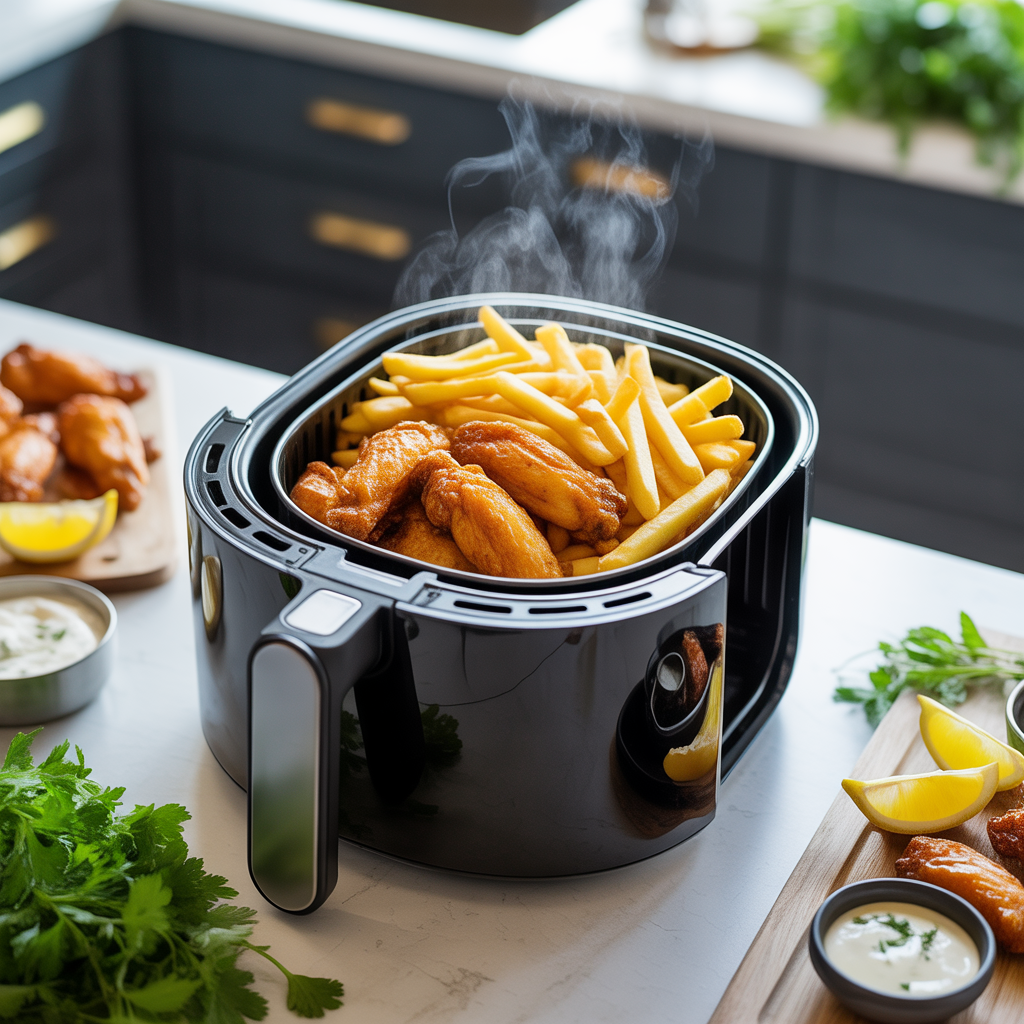
If you’ve recently purchased an air fryer or are thinking about getting one, you’re probably wondering how to get the most out of this incredible kitchen appliance. Air fryers have revolutionized home cooking by delivering crispy, delicious results with a fraction of the oil used in traditional frying. In this comprehensive guide, we’ll walk you through everything you need to know about using an air fryer for crispy, easy meals — from the basics of how it works to step-by-step instructions and mouthwatering recipe ideas.
What Is an Air Fryer and How Does It Work?
An air fryer is a compact countertop appliance that cooks food by circulating hot air at high speed around the food using a convection mechanism. This rapid hot air circulation creates a crispy outer layer similar to deep frying, but with little to no oil. The result? Food that is crunchy on the outside, tender on the inside, and significantly lower in fat and calories compared to traditionally fried food.
Most air fryers consist of:
- A heating element located at the top of the unit
- A powerful fan that circulates hot air rapidly
- A basket or tray where food is placed
- A digital or analog control panel for setting time and temperature
Benefits of Using an Air Fryer
Before diving into how to use one, let’s explore why so many home cooks are making the switch to air fryers:
- Healthier cooking: Air fryers use up to 75–80% less oil than traditional deep fryers, significantly reducing fat and calorie intake.
- Speed: Most meals cook 20–30% faster than in a conventional oven due to the concentrated hot air circulation.
- Convenience: Simple controls, easy cleanup, and minimal prep make cooking almost effortless.
- Versatility: You can fry, bake, roast, grill, and even dehydrate food in one appliance.
- Energy efficiency: Air fryers use less energy than heating up a full-size oven.
- Consistent results: Even heat distribution ensures food cooks evenly every time.
Getting Started: Setting Up Your Air Fryer
Step 1: Read the Manual
Every air fryer model is slightly different. Before using yours for the first time, read the manufacturer’s manual carefully. Pay attention to the maximum capacity, recommended cooking temperatures, and any specific safety warnings.
Step 2: Wash the Basket and Accessories
Before first use, remove the basket, tray, and any accessories and wash them thoroughly with warm soapy water. Rinse and dry completely before placing them back in the unit.
Step 3: Run a Test Cycle
Many manufacturers recommend running the air fryer empty for 3–5 minutes at around 400°F (200°C) before the first use. This burns off any manufacturing residues and eliminates any plastic-like smell.
Step 4: Place the Air Fryer on a Stable Surface
Set your air fryer on a flat, heat-resistant surface away from walls and cabinets. Make sure there is at least 5 inches of clearance on all sides for proper ventilation.
How to Use an Air Fryer: Step-by-Step Instructions
Step 1: Preheat the Air Fryer
Just like a conventional oven, preheating your air fryer helps achieve better, crispier results. Preheat it for 3–5 minutes at the desired cooking temperature before adding food. Not all models require preheating, but it is generally recommended for best results.
Step 2: Prepare Your Food
Prepare your ingredients as you normally would. Here are a few key tips:
- Pat dry: Remove excess moisture from meats and vegetables using paper towels. Moisture is the enemy of crispiness.
- Lightly oil your food: Toss your food in a small amount of oil (1–2 teaspoons is usually enough) to help it brown and crisp up. Use a spray bottle for even distribution.
- Season generously: Add your favorite spices, herbs, salt, and pepper to enhance flavor.
- Don’t coat wet batters: Traditional wet batters (like beer batter) don’t work well in air fryers. Opt for breadcrumb or dry coatings instead.
Step 3: Load the Basket Correctly
This is one of the most important steps for achieving crispy results:
- Do not overcrowd the basket. Food needs space for air to circulate freely around each piece. Overcrowding leads to steaming rather than frying, resulting in soggy food.
- Cook in batches if necessary, especially for large quantities.
- For small items like fries or shrimp, fill the basket no more than halfway.
- Place larger items like chicken thighs in a single layer.
Step 4: Set the Temperature and Time
Select the appropriate temperature and cooking time for your food. Here is a general temperature guide:
- Vegetables: 375–400°F (190–200°C) for 10–20 minutes
- Chicken wings: 400°F (200°C) for 20–25 minutes
- French fries: 380–400°F (193–200°C) for 15–20 minutes
- Fish fillets: 375°F (190°C) for 10–12 minutes
- Steak: 400°F (200°C) for 10–14 minutes depending on thickness
- Frozen foods: Follow package instructions, typically 350–400°F (175–200°C)
Step 5: Shake or Flip Food Halfway Through
For even cooking and maximum crispiness, pause cooking halfway through and either shake the basket (for small items like fries or nuggets) or flip larger pieces like chicken breasts, fish fillets, or pork chops. This ensures all sides get equal exposure to the hot circulating air.
Step 6: Check for Doneness
Use a meat thermometer to verify that proteins are cooked to a safe internal temperature:
- Chicken: 165°F (74°C)
- Beef and pork: 145°F (63°C)
- Fish: 145°F (63°C)
For other foods, look for a golden-brown color and a crispy exterior as indicators of doneness.
Step 7: Remove and Rest
Carefully remove the basket (it will be very hot) and transfer the food to a plate. Allow meats to rest for a few minutes before cutting so juices redistribute for maximum flavor.
Essential Tips for Getting Crispy Results Every Time
- Use oil, but not too much: A light coating of oil is key. Too much oil can make food greasy; too little can make it dry.
- Dry your food thoroughly: Excess moisture prevents crispiness. Always pat meats and vegetables dry before seasoning.
- Don’t overcrowd: Cook in single layers whenever possible.
- Use parchment paper wisely: Air fryer-safe parchment paper with holes can prevent sticking, but only use it when there’s food on top to weigh it down. Never preheat with parchment paper in the basket alone — it can fly up and touch the heating element.
- Shake and flip: Redistribute food during cooking for even browning.
- Experiment with temperature: If food isn’t as crispy as you’d like, try increasing the temperature by 10–15°F for the last 2–3 minutes of cooking.
- Use a light breadcrumb coating: Panko breadcrumbs create an exceptionally crispy coating for proteins and vegetables.
Best Foods to Cook in an Air Fryer
Vegetables
Air frying vegetables is one of the easiest and healthiest uses of the appliance. Broccoli, Brussels sprouts, zucchini, asparagus, bell peppers, and cauliflower all come out beautifully caramelized and tender with crispy edges. Simply toss with olive oil, salt, pepper, and your favorite seasonings, then air fry at 375–400°F for 10–15 minutes.
Chicken
Chicken is arguably the most popular food to make in an air fryer. Chicken wings, thighs, drumsticks, tenders, and breasts all cook up incredibly well. The skin turns golden and crispy while the inside stays moist and juicy — without the grease of deep frying.
French Fries and Potatoes
Homemade air fryer french fries are a game-changer. Slice potatoes into even strips, soak in cold water for 30 minutes (to remove excess starch), pat dry, toss with a small amount of oil and salt, and air fry at 380°F for 15–20 minutes, shaking halfway. The result is crispy, golden fries with a fluffy interior.
Seafood
Shrimp, salmon, tilapia, and even crab cakes cook quickly and deliciously in the air fryer. Shrimp takes only 6–8 minutes and comes out perfectly cooked with a slightly charred exterior.
Frozen Foods
Air fryers excel at cooking frozen foods like mozzarella sticks, egg rolls, frozen fries, and frozen fish sticks. They come out far crispier than in a microwave and cook faster than in a conventional oven. No thawing required.
Baked Goods
Yes, you can bake in an air fryer! Muffins, donuts, cookies, and even small cakes can be made using oven-safe ramekins or silicone baking molds that fit inside the basket.
Tofu
For plant-based eaters, tofu in the air fryer is a revelation. Press extra-firm tofu to remove moisture, cube it, marinate it, and air fry at 400°F for 15 minutes. It becomes wonderfully crispy on the outside and chewy on the inside.
Easy Air Fryer Recipes for Beginners
1. Crispy Air Fryer Chicken Wings
Ingredients:
- 2 lbs chicken wings
- 1 tablespoon baking powder
- 1 teaspoon garlic powder
- 1 teaspoon smoked paprika
- Salt and pepper to taste
Instructions:
- Pat wings dry with paper towels.
- Toss with baking powder and seasonings (baking powder is the secret to extra crispy skin).
- Preheat air fryer to 400°F.
- Place wings in a single layer in the basket.
- Cook for 25 minutes, flipping halfway through.
- Toss in your favorite sauce and serve immediately.
2. Perfect Air Fryer French Fries
Ingredients:
- 2 large russet potatoes
- 1.5 tablespoons olive oil
- Salt, pepper, garlic powder to taste
Instructions:
- Cut potatoes into even 1/4-inch strips.
- Soak in cold water for 30 minutes. Drain and pat very dry.
- Toss with olive oil and seasonings.
- Air fry at 380°F for 18–20 minutes, shaking every 5–6 minutes.
- Serve immediately for maximum crispiness.
3. Air Fryer Salmon
Ingredients:
- 2 salmon fillets
- 1 tablespoon olive oil
- 1 teaspoon lemon zest
- 1 teaspoon garlic powder
- Salt and pepper
Instructions:
- Brush salmon with olive oil and season all over.
- Preheat air fryer to 375°F.
- Place salmon skin-side down in the basket.
- Cook for 10–12 minutes until internal temperature reaches 145°F.
- Serve with lemon wedges.
4. Crispy Air Fryer Vegetables
Ingredients:
- 2 cups broccoli florets
- 1 cup sliced bell peppers
- 1 tablespoon olive oil
- 1 teaspoon Italian seasoning
- Salt and pepper
Instructions:
- Toss vegetables in olive oil and seasonings.
- Air fry at 390°F for 12–15 minutes, shaking halfway.
- Serve as a side dish or over rice.
What Not to Cook in an Air Fryer
While air fryers are incredibly versatile, there are some foods that don’t work well:
- Wet batters: Liquid batters like beer batter drip through the basket and create a mess. Stick to dry or breadcrumb coatings.
- Leafy greens: Lettuce and other light leafy greens will fly around and burn in the air fryer due to the powerful fan.
- Large roasts: Very large cuts of meat won’t fit properly and may not cook evenly. Consider using an oven for these.
- Cheese (alone): Melted cheese can drip through the basket. Use it on top of a burger or in a wrapped item instead.
- Grain dishes: Foods like pasta or rice that need to be submerged in liquid aren’t suitable for air fryers.
Cleaning and Maintaining Your Air Fryer
Proper cleaning extends the life of your appliance and keeps your food tasting great:
- Unplug and cool down: Always unplug the air fryer and let it cool completely before cleaning.
- Wash the basket: Remove the basket and pan and wash with warm soapy water after every use. Many are dishwasher safe — check your manual.
- Clean the interior: Wipe down the inside of the air fryer with a damp cloth. For stubborn grease, use a non-abrasive sponge with a little dish soap.
- Clean the heating element: Occasionally wipe the heating element (on top, inside the unit) with a damp cloth to remove grease buildup. Make sure it’s completely dry before using again.
- Never use metal utensils: They can scratch the non-stick coating. Use silicone, wood, or plastic utensils instead.
- Deep clean monthly: For heavy users, do a thorough deep clean once a month by soaking parts in warm soapy water and scrubbing gently.
Common Air Fryer Mistakes to Avoid
- Not preheating: Skipping the preheat step can result in uneven cooking and less crispiness.
- Overcrowding the basket: This is the number one mistake. Always cook in batches if needed.
- Using too much oil: More oil doesn’t mean crispier food. A light coating is all you need.
- Not shaking or flipping: Forgetting this step leads to uneven browning.
- Ignoring the manual: Every air fryer is different. Cooking times and temperatures can vary between models.
- Not drying food properly: Wet food = soggy food. Always pat dry before cooking.
- Setting the temperature too high: Cooking at too high a temperature can burn the outside while leaving the inside undercooked. Follow recommended guidelines and adjust as needed.
Air Fryer Accessories Worth Having
Expand your air fryer’s capabilities with these useful accessories:
- Parchment paper liners: Pre-cut, perforated liners that fit the basket perfectly for easy cleanup.
- Silicone baking cups: Great for making muffins, eggs, or individual desserts.
- Grill pan insert: Gives food beautiful grill marks and extra crispiness.
- Skewer rack: Perfect for making kebabs.
- Cake barrel or baking pan: An oven-safe pan sized to fit your air fryer basket for baking.
- Meat thermometer: Essential for ensuring proteins are safely cooked.
- Silicone tongs: For flipping food without scratching the basket.
Frequently Asked Questions About Air Fryers
Do I need to add oil to an air fryer?
While not always required, adding a small amount of oil (1–2 teaspoons) significantly improves crispiness and browning. Use oils with high smoke points like avocado oil, vegetable oil, or light olive oil.
Can I put aluminum foil in an air fryer?
Yes, you can use aluminum foil in an air fryer, but only in the basket — never in the bottom of the unit where it could block airflow. Ensure the foil is weighed down by food and doesn’t cover all the holes in the basket, as proper air circulation is essential.
Can I cook frozen food in an air fryer without thawing?
Absolutely! One of the great things about air fryers is that most frozen foods can go straight from the freezer to the basket. You may need to add a few extra minutes to the cooking time.
Why is my air fryer food not crispy?
The most common reasons are: overcrowding the basket, not drying food properly, not using enough oil, or not preheating the appliance. Address these issues and your results will improve dramatically.
Is air-fried food healthy?
Air-fried food is generally healthier than deep-fried food because it uses significantly less oil. However, the overall healthiness depends on what you’re cooking. Lean proteins and vegetables are excellent choices for healthy air fryer meals.
How do I prevent smoke from my air fryer?
Smoke is usually caused by excess fat or oil dripping into the bottom of the unit. You can add a tablespoon of water to the bottom of the air fryer (below the basket) to prevent grease from burning. Also, cleaning your air fryer regularly prevents grease buildup that causes smoke.
Final Thoughts
Using an air fryer is one of the easiest ways to enjoy crispy, delicious meals at home with minimal effort and less oil than traditional cooking methods. Whether you’re a busy weeknight cook looking for quick dinners, a health-conscious eater trying to reduce calories, or simply someone who loves crispy food, the air fryer is a versatile tool that delivers outstanding results.
Start with simple recipes like french fries, chicken wings, and roasted vegetables to build your confidence, and then gradually experiment with more complex dishes. With the tips, techniques, and recipes in this guide, you’re well-equipped to make the most out of your air fryer and enjoy perfectly crispy, easy meals every single time.
Happy air frying!