
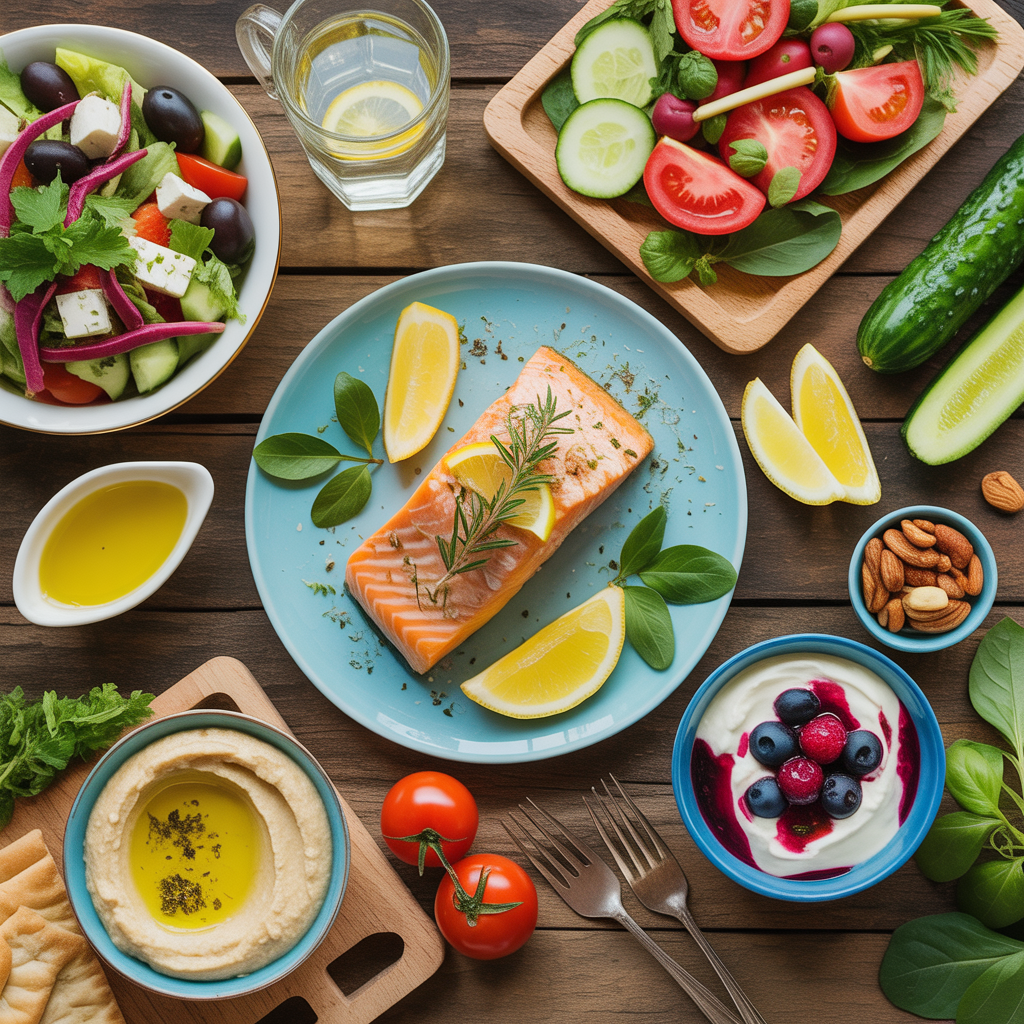
The Mediterranean diet is consistently ranked as one of the healthiest eating patterns in the world. Backed by decades of research, it has been linked to reduced risk of heart disease, improved brain health, better weight management, and longer life expectancy. But for many beginners, starting a new diet can feel overwhelming — especially when you’re not sure what to eat or how to cook it.
The good news? The Mediterranean diet is not a strict, rigid plan. It’s a flexible, enjoyable lifestyle that emphasizes whole, minimally processed foods. In this guide, you’ll learn exactly how to start the Mediterranean diet with easy, beginner-friendly meals — no complicated recipes or exotic ingredients required.
What Is the Mediterranean Diet?
The Mediterranean diet is inspired by the traditional eating habits of people living in countries bordering the Mediterranean Sea — including Greece, Italy, Spain, Turkey, and Morocco. Rather than focusing on calorie counting or eliminating entire food groups, it prioritizes the quality of the foods you eat.
Core Principles of the Mediterranean Diet
- Eat mostly plants: Vegetables, fruits, legumes, whole grains, nuts, and seeds form the foundation of every meal.
- Use olive oil as your primary fat: Replace butter, margarine, and vegetable oils with extra-virgin olive oil.
- Eat fish and seafood regularly: Aim for at least two servings per week.
- Moderate amounts of poultry, eggs, and dairy: These are eaten in smaller quantities — think a few times per week.
- Limit red meat: Eat red meat only occasionally — a few times per month.
- Minimize ultra-processed foods and added sugars: Candy, soda, packaged snack foods, and fast food are rarely consumed.
- Enjoy meals socially: Eating together, savoring food, and not rushing meals are key cultural aspects of this lifestyle.
- Stay hydrated with water: Water is the primary beverage. Red wine in moderation is optional for adults who already drink alcohol.
Health Benefits of the Mediterranean Diet
Before diving into easy meals, it helps to understand why this diet is worth starting. Here are some of the most well-documented benefits:
- Heart health: Studies published in the New England Journal of Medicine found that the Mediterranean diet significantly reduces the risk of heart attack, stroke, and cardiovascular death.
- Weight management: Because it emphasizes fiber-rich, nutrient-dense foods, most people feel full and satisfied without overeating.
- Brain health: Research suggests it may lower the risk of Alzheimer’s disease and cognitive decline.
- Blood sugar control: High fiber content and low glycemic foods help stabilize blood sugar levels, benefiting people with or at risk of type 2 diabetes.
- Reduced inflammation: Rich in antioxidants and healthy fats, the Mediterranean diet helps fight chronic inflammation — a root cause of many diseases.
- Longevity: Mediterranean regions are home to some of the world’s “Blue Zones” — areas where people live exceptionally long, healthy lives.
Foods to Eat on the Mediterranean Diet
Eat Freely (Daily)
- Vegetables: spinach, kale, tomatoes, zucchini, bell peppers, eggplant, cucumbers, onions, garlic, artichokes
- Fruits: berries, apples, oranges, grapes, figs, pomegranates, melons
- Whole grains: brown rice, quinoa, whole wheat bread, farro, bulgur, oats, whole wheat pasta
- Legumes: lentils, chickpeas, black beans, cannellini beans, kidney beans
- Nuts and seeds: almonds, walnuts, pistachios, sunflower seeds, flaxseeds, chia seeds
- Extra-virgin olive oil
- Herbs and spices: basil, oregano, rosemary, thyme, cumin, turmeric, cinnamon, parsley
- Water and herbal teas
Eat Moderately (A Few Times Per Week)
- Fish and seafood: salmon, sardines, tuna, mackerel, shrimp, cod, mussels
- Poultry: chicken, turkey
- Eggs
- Dairy: Greek yogurt, feta cheese, mozzarella, Parmesan (in small amounts)
Eat Rarely (Occasionally)
- Red meat: beef, pork, lamb
- Processed meats: bacon, sausage, hot dogs
- Sweets and desserts: cakes, pastries, ice cream, candy
- Refined grains: white bread, white pasta, white rice (in large quantities)
- Butter and margarine
- Sugary beverages: soda, fruit juice, energy drinks
- Highly processed snack foods: chips, crackers, packaged cookies
How to Set Up Your Mediterranean Kitchen
Before you start cooking, it helps to stock your kitchen with Mediterranean diet staples. Here’s a beginner’s pantry list:
Pantry Essentials
- Extra-virgin olive oil (buy a good quality bottle)
- Canned tomatoes (whole, diced, or crushed)
- Canned or dried chickpeas, lentils, and beans
- Whole grain pasta and brown rice
- Quinoa and farro
- Whole wheat bread or pita
- Chicken or vegetable broth (low sodium)
- Dried herbs: oregano, basil, thyme, rosemary, cumin
- Garlic (fresh and/or minced in a jar)
- Nuts: almonds, walnuts, pistachios
- Tahini (sesame paste)
- Red wine vinegar and balsamic vinegar
Refrigerator Staples
- Fresh vegetables: spinach, tomatoes, cucumbers, bell peppers, zucchini
- Fresh fruit: berries, citrus, apples
- Greek yogurt (plain, full-fat or low-fat)
- Feta cheese
- Eggs
- Salmon or other fish fillets
- Chicken breast or thighs
- Fresh lemons
Easy Mediterranean Diet Meals for Beginners
Now for the most practical part: what should you actually eat? Here are simple, delicious Mediterranean meals organized by meal type. Each recipe uses easy-to-find ingredients and requires minimal cooking experience.
Easy Mediterranean Breakfasts
1. Greek Yogurt Parfait
Layer plain Greek yogurt with fresh berries, a drizzle of honey, and a handful of granola or chopped walnuts. This high-protein breakfast takes under 5 minutes and keeps you full for hours.
2. Veggie Scrambled Eggs with Feta
Sauté spinach, diced tomatoes, and onion in olive oil. Add 2–3 beaten eggs and scramble until cooked. Top with crumbled feta cheese and fresh herbs. Serve with a slice of whole grain toast.
3. Avocado Toast with Tomatoes and Olive Oil
Mash avocado on whole grain toast. Top with sliced cherry tomatoes, a drizzle of extra-virgin olive oil, a pinch of sea salt, and dried oregano. Simple and incredibly satisfying.
4. Overnight Oats with Fruit and Nuts
Mix rolled oats with milk or almond milk, a spoonful of Greek yogurt, chia seeds, and a drizzle of honey. Refrigerate overnight. In the morning, top with sliced banana, berries, and a small handful of almonds.
5. Whole Grain Toast with Hummus and Cucumber
Spread store-bought or homemade hummus generously on whole grain toast. Layer with sliced cucumber, a drizzle of olive oil, and a sprinkle of paprika or za’atar spice.
Easy Mediterranean Lunches
1. Classic Greek Salad
Combine diced cucumber, cherry tomatoes, Kalamata olives, red onion, and crumbled feta cheese. Dress with extra-virgin olive oil, red wine vinegar, dried oregano, salt, and pepper. Serve with a piece of whole grain pita bread.
2. Chickpea and Vegetable Wrap
Drain and rinse a can of chickpeas. Toss with olive oil, cumin, paprika, and garlic powder. Lightly mash with a fork. Spread hummus on a whole wheat wrap. Add the spiced chickpeas, shredded lettuce, diced tomato, and cucumber. Roll up and enjoy.
3. Lentil Soup
In a pot, sauté diced onion and garlic in olive oil. Add red lentils, diced carrots, canned tomatoes, vegetable broth, cumin, and turmeric. Simmer for 25–30 minutes until lentils are soft. Finish with a squeeze of lemon juice and fresh parsley. This soup is incredibly hearty and freezes beautifully.
4. Tuna and White Bean Salad
Drain a can of tuna and a can of white (cannellini) beans. Combine in a bowl with diced red onion, fresh parsley, capers, olive oil, and lemon juice. Season with salt and pepper. Serve over arugula or with whole grain crackers.
5. Quinoa Tabbouleh
Cook quinoa and let it cool. Mix with finely chopped fresh parsley, mint, diced tomatoes, cucumber, green onion, lemon juice, and olive oil. Season to taste. This is a refreshing, protein-rich dish that stores well in the fridge for 3–4 days.
Easy Mediterranean Dinners
1. Baked Lemon Herb Salmon
Place a salmon fillet on a baking sheet lined with parchment paper. Drizzle generously with olive oil, squeeze fresh lemon juice over the top, and season with garlic powder, dried dill or oregano, salt, and pepper. Bake at 400°F (200°C) for 12–15 minutes. Serve with roasted vegetables and quinoa or brown rice.
2. One-Pan Mediterranean Chicken and Vegetables
In a large baking dish, arrange chicken thighs alongside cherry tomatoes, zucchini, bell peppers, and red onion. Drizzle everything with olive oil and season with garlic, oregano, salt, pepper, and a squeeze of lemon. Roast at 425°F (220°C) for 35–40 minutes. This dish is minimal effort and maximum flavor.
3. Shakshuka (Eggs Poached in Tomato Sauce)
In a large skillet, sauté diced onion and bell pepper in olive oil. Add minced garlic, cumin, paprika, and a pinch of cayenne. Stir in a can of crushed tomatoes and simmer for 10 minutes. Create small wells in the sauce and crack in 4–6 eggs. Cover and cook until eggs are set. Top with fresh parsley and serve with crusty whole grain bread for dipping.
4. Pasta Primavera with Olive Oil and Garlic
Cook whole wheat pasta according to package directions. In a pan, sauté garlic in generous olive oil. Add cherry tomatoes, zucchini, spinach, and any other vegetables you like. Toss with the drained pasta, fresh basil, and a handful of Parmesan. Simple, fast, and satisfying.
5. Mediterranean Stuffed Bell Peppers
Cut bell peppers in half and remove seeds. Fill with a mixture of cooked brown rice or quinoa, canned chickpeas, diced tomatoes, spinach, olive oil, garlic, and feta cheese. Bake at 375°F (190°C) for 25–30 minutes until peppers are tender. A colorful, nutritious complete meal.
6. Simple Greek-Style Shrimp
Sauté shrimp in olive oil with garlic and cherry tomatoes until shrimp are pink and cooked through. Add crumbled feta, fresh spinach, lemon juice, and dried oregano. Toss to combine. Serve over whole grain pasta, rice, or with crusty bread.
Easy Mediterranean Snacks
- Hummus with raw vegetables: Carrot sticks, celery, cucumber, and bell pepper strips for dipping.
- A small handful of mixed nuts: Almonds, walnuts, and pistachios make a satisfying mid-afternoon snack.
- Fresh fruit with a small piece of dark chocolate: Berries or an apple paired with a square of 70%+ dark chocolate.
- Greek yogurt with a drizzle of honey: Creamy, protein-rich, and naturally sweet.
- Whole grain crackers with feta and olives: A classic Mediterranean snack plate.
- Caprese skewers: Thread fresh mozzarella, cherry tomatoes, and fresh basil on toothpicks. Drizzle with olive oil and balsamic.
7-Day Mediterranean Diet Meal Plan for Beginners
Here’s a simple 7-day starter meal plan to take the guesswork out of your first week:
Day 1 – Monday
- Breakfast: Greek yogurt parfait with berries and walnuts
- Lunch: Classic Greek salad with whole grain pita
- Dinner: Baked lemon herb salmon with roasted broccoli and quinoa
- Snack: Hummus with carrot and cucumber sticks
Day 2 – Tuesday
- Breakfast: Veggie scrambled eggs with feta and whole grain toast
- Lunch: Tuna and white bean salad over arugula
- Dinner: Shakshuka with whole grain bread
- Snack: Mixed nuts and a piece of fresh fruit
Day 3 – Wednesday
- Breakfast: Overnight oats with berries and almonds
- Lunch: Quinoa tabbouleh
- Dinner: One-pan Mediterranean chicken and vegetables
- Snack: Greek yogurt with honey
Day 4 – Thursday
- Breakfast: Avocado toast with tomatoes and olive oil
- Lunch: Chickpea and vegetable wrap
- Dinner: Pasta primavera with olive oil and garlic
- Snack: Caprese skewers
Day 5 – Friday
- Breakfast: Whole grain toast with hummus and cucumber
- Lunch: Lentil soup with a side salad
- Dinner: Simple Greek-style shrimp over brown rice
- Snack: Apple slices with almond butter
Day 6 – Saturday
- Breakfast: Greek yogurt parfait with granola and honey
- Lunch: Classic Greek salad with added grilled chicken
- Dinner: Mediterranean stuffed bell peppers
- Snack: Whole grain crackers with feta and olives
Day 7 – Sunday
- Breakfast: Veggie scrambled eggs with whole grain toast
- Lunch: Quinoa tabbouleh with hummus and pita
- Dinner: Baked salmon with roasted asparagus and brown rice
- Snack: Fresh fruit with a square of dark chocolate
Tips for Successfully Starting the Mediterranean Diet
1. Start Gradually, Not Perfectly
You don’t need to overhaul your entire diet overnight. Start by making one or two Mediterranean swaps per day — replace butter with olive oil, add an extra serving of vegetables to dinner, or swap a processed snack for a handful of nuts. Small changes add up to big results over time.
2. Cook in Batches to Save Time
Meal prepping is one of the best strategies for sticking to any healthy diet. Cook a big pot of lentils or chickpeas, roast a tray of vegetables, and prepare a batch of quinoa on Sunday. These components can be mixed and matched throughout the week to create quick, easy meals.
3. Embrace Olive Oil
Extra-virgin olive oil is the cornerstone of the Mediterranean diet. Use it for sautéing vegetables, drizzling over salads, dipping bread, and finishing cooked dishes. Don’t be afraid of it — the monounsaturated fats in olive oil are deeply beneficial for heart health.
4. Make Vegetables the Star
A common beginner mistake is treating vegetables as a side dish. In the Mediterranean diet, vegetables are center stage. Fill at least half your plate with vegetables at every meal, and use protein (fish, chicken, beans) as a complement rather than the focus.
5. Keep It Simple
Mediterranean cooking doesn’t need to be complicated. Some of the best Mediterranean meals are incredibly simple — a drizzle of olive oil, a squeeze of lemon, fresh herbs, and quality ingredients do most of the work. You don’t need fancy techniques or hard-to-find ingredients.
6. Stock Up on Canned and Frozen Foods
Canned chickpeas, canned tuna, canned tomatoes, and frozen fish fillets are Mediterranean diet heroes. They’re affordable, shelf-stable, and make it easy to throw together a healthy meal on a busy weeknight.
7. Eat Mindfully and Slowly
The Mediterranean lifestyle is about more than just food — it’s about how you eat. Sit down at a table, put away distractions, chew slowly, and savor your meals. This habit naturally helps with portion control and increases meal satisfaction.
8. Don’t Fear Carbohydrates
The Mediterranean diet includes whole grains, legumes, and fruit — all of which contain carbohydrates. The key is choosing quality carbs (whole, fiber-rich foods) rather than refined, processed ones. These foods provide sustained energy and important nutrients.
9. Stay Hydrated with Water
Water is the drink of choice on the Mediterranean diet. Herbal teas and coffee (without excess sugar and cream) are also fine. Limit sugary drinks completely — they are one of the biggest contributors to poor metabolic health.
10. Enjoy the Process
The Mediterranean diet is meant to be enjoyable. You’re not depriving yourself of pleasure — you’re discovering new flavors, ingredients, and cooking techniques. Explore Mediterranean cuisine with curiosity and an open mind, and it will quickly feel less like a “diet” and more like a way of life.
Common Mistakes to Avoid When Starting the Mediterranean Diet
- Eating too much olive oil: While olive oil is healthy, it’s still calorie-dense. Use it generously but mindfully — typically 2–4 tablespoons per day is appropriate for most people.
- Thinking all cheese is unlimited: Dairy is consumed in moderation. Enjoy feta, mozzarella, or Greek yogurt regularly but not in large amounts at every meal.
- Ignoring portion sizes for nuts: Nuts are nutritious but high in calories. A serving is about a small handful (1 ounce or approximately 28 grams).
- Skipping fish in favor of chicken or red meat: Fish and seafood are foundational to the Mediterranean diet. Make an effort to eat fish at least twice a week, even if it’s canned tuna or frozen salmon.
- Relying on “Mediterranean-style” processed foods: Just because a product is labeled as Mediterranean doesn’t mean it’s healthy. Focus on whole, real ingredients rather than packaged products.
- Not eating enough vegetables: The most common shortfall for beginners is insufficient vegetable intake. Aim for at least 3–5 servings of vegetables every day.
Frequently Asked Questions About Starting the Mediterranean Diet
Is the Mediterranean diet expensive?
Not necessarily. While fresh fish and quality olive oil have some cost, the diet relies heavily on affordable staples like dried lentils, canned chickpeas, canned tuna, seasonal vegetables, and whole grains. With smart shopping and batch cooking, the Mediterranean diet can be very budget-friendly.
Can I lose weight on the Mediterranean diet?
Yes. Many people lose weight on the Mediterranean diet naturally because it emphasizes whole, filling foods that reduce hunger without requiring calorie counting. It’s particularly effective for sustainable, long-term weight loss compared to more restrictive diets.
Is the Mediterranean diet suitable for vegetarians or vegans?
Absolutely. The Mediterranean diet is naturally plant-forward, making it easy to adapt for vegetarians and vegans. Simply emphasize legumes, whole grains, nuts, seeds, vegetables, and fruits, and skip or replace the animal protein components.
Do I need to drink wine on the Mediterranean diet?
No. Wine is an optional, cultural component of the traditional Mediterranean lifestyle, not a health requirement. If you don’t drink alcohol, you don’t need to start. Water, herbal teas, and coffee are perfectly aligned with this diet.
How quickly will I see results on the Mediterranean diet?
Some people notice improvements in energy, digestion, and mood within the first 1–2 weeks. More significant results, such as weight loss or improved cholesterol levels, are typically seen over 4–12 weeks of consistent eating. Like any lifestyle change, consistency over time is key.
Can I eat pasta on the Mediterranean diet?
Yes! Pasta is a staple in Mediterranean cuisine, particularly in Italy. The key is to choose whole wheat pasta over refined white pasta, keep portions moderate, and load up your pasta dish with vegetables, olive oil, legumes, or lean protein rather than heavy cream sauces.
Final Thoughts
Starting the Mediterranean diet doesn’t have to be complicated or overwhelming. By focusing on a few core principles — eating more vegetables and whole grains, cooking with olive oil, eating fish regularly, and minimizing processed foods — you can begin experiencing the tremendous health benefits of this lifestyle immediately.
The easy meals outlined in this guide are designed to help you build confidence in the kitchen and develop Mediterranean eating habits naturally, without feeling restricted or deprived. Whether you start with a simple Greek salad for lunch, a baked salmon for dinner, or a Greek yogurt parfait for breakfast, every Mediterranean meal you choose is a step toward better health.
Remember: the Mediterranean diet is not a temporary fix. It’s a lifelong way of eating that millions of people around the world enjoy and thrive on every day. Start simple, be consistent, and enjoy the journey toward a healthier, more vibrant you.