
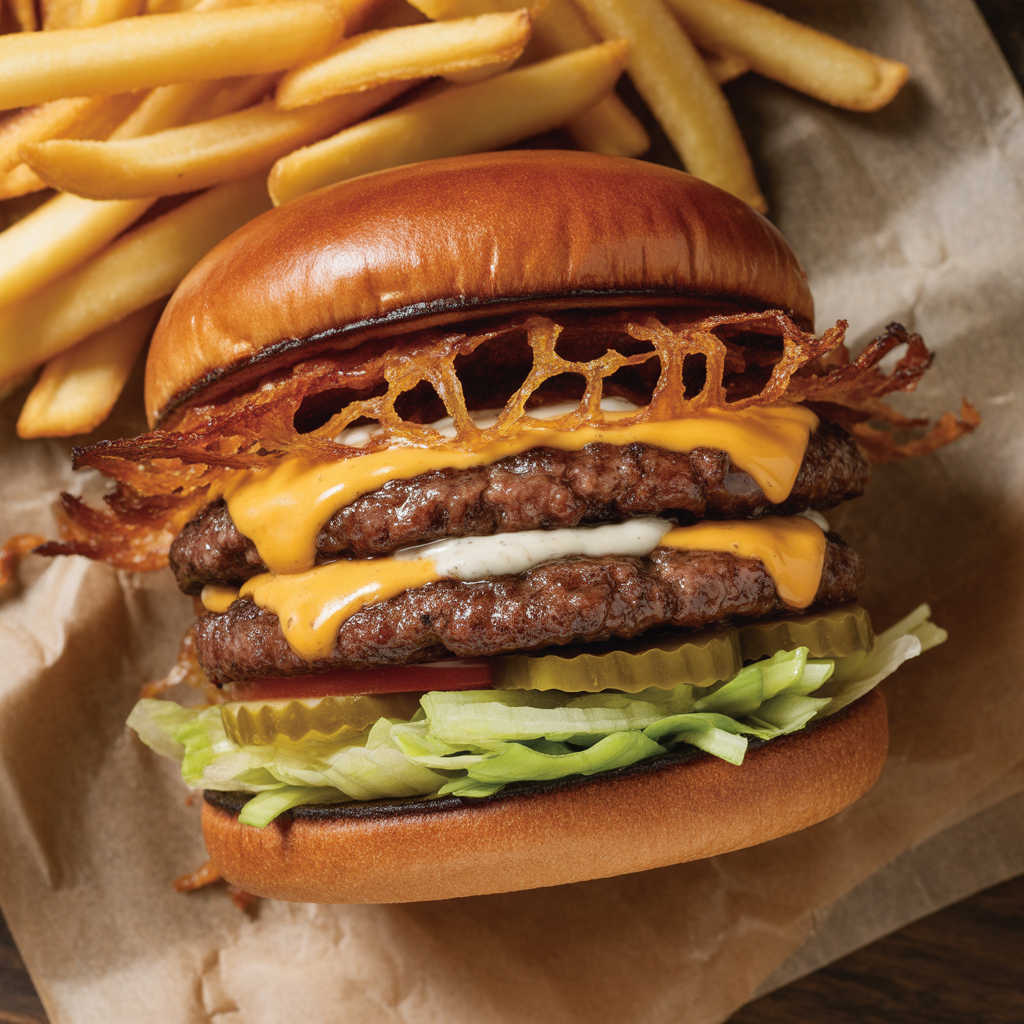
If you’ve ever bitten into a smash burger with those irresistible, lacy, crispy edges, you already know why this style of burger has taken the food world by storm. The good news? You don’t need a fancy restaurant or special equipment to recreate them at home. This guide will walk you through everything you need to know — from choosing the right beef to mastering the smash technique — so you can make perfect smash burgers with crispy edges every single time.
What Is a Smash Burger?
A smash burger is exactly what it sounds like: a ball of ground beef that is smashed flat onto a screaming-hot cooking surface. This technique maximizes contact between the meat and the heat, triggering a powerful Maillard reaction — the chemical process responsible for browning, deep savory flavor, and those signature crispy, caramelized edges that make smash burgers so addictive.
Unlike thick, pub-style burgers that are cooked low and slow, smash burgers are thin, fast-cooked, and intensely flavored. They are typically stacked in doubles or triples to achieve a satisfying bite without losing that crispy texture.
Why Crispy Edges Matter
The crispy, frilly edges of a smash burger are not just aesthetics — they are where most of the flavor lives. When the beef is pressed thin and cooked on a very hot surface, the fat renders rapidly, the proteins brown deeply, and the edges become almost chip-like in their crunch. This textural contrast between the crispy exterior and the juicy, beefy interior is what makes a smash burger uniquely satisfying.
Equipment You’ll Need
- Cast iron skillet or flat-top griddle: These retain heat better than non-stick pans and are essential for achieving proper browning. A large cast iron skillet (10–12 inches) works perfectly for home cooking.
- Metal spatula (burger spatula): A thin, stiff metal spatula is critical. It must be able to get completely flat under the patty for a clean smash and a clean flip.
- A second spatula or small pot: Used to press down on the first spatula when smashing.
- Parchment paper squares: Cut into small squares (about 4×4 inches) to place between the meat and spatula when smashing to prevent sticking.
- Instant-read thermometer (optional): Useful if you want to verify doneness, though smash burgers cook so fast that timing is usually sufficient.
Choosing the Right Beef
This is arguably the most important step. For smash burgers, you need ground beef with a fat ratio of at least 80/20 (80% lean, 20% fat). Many smash burger enthusiasts prefer 75/25 or even a custom grind for maximum flavor and crispiness.
The fat is what renders out during cooking, basting the meat in its own juices and creating those crispy lacy edges. Lean beef (90/10 or higher) will produce a dry, pale, sad patty — the opposite of what we’re going for.
Best Beef Options:
- 80/20 ground chuck: The gold standard for smash burgers. Widely available and perfectly balanced.
- Custom blend from a butcher: Ask for a blend of brisket and short rib, or chuck and sirloin. This elevates flavor significantly.
- Pre-made smash burger blend: Many grocery stores now sell pre-portioned smash burger packs.
Important: Do not season the beef before forming your balls. Salt draws out moisture and can make the texture gummy. Season only the exterior just before or right after smashing.
Ingredients for Classic Smash Burgers
For 4 double smash burgers (serves 4):
- 1 lb (450g) ground beef, 80/20
- Kosher salt and freshly cracked black pepper
- 4 slices American cheese (or your preferred melting cheese)
- 4 soft potato buns or brioche buns
- Butter (for toasting buns)
- Smash burger sauce (recipe below)
- Toppings: shredded lettuce, thinly sliced onion, pickles, sliced tomato
Smash Burger Sauce Recipe:
- 1/2 cup mayonnaise
- 2 tablespoons ketchup
- 1 tablespoon yellow mustard
- 1 tablespoon finely diced pickles (or pickle relish)
- 1 teaspoon pickle brine
- 1/2 teaspoon garlic powder
- 1/2 teaspoon onion powder
- Pinch of smoked paprika
Mix all sauce ingredients together and refrigerate for at least 15 minutes before serving. This sauce can be made up to 5 days ahead.
Step-by-Step Instructions
Step 1: Portion and Prepare the Beef Balls
Divide your ground beef into equal portions of about 2 oz (56g) each for thin smash patties. For a double burger, you’ll use two 2 oz balls per burger. Roll each portion gently into a loose ball — do not pack it tightly. The looser the ball, the better the smash and the crispier the edges will be.
Place the balls on a plate or tray and refrigerate for about 15–20 minutes. Cold beef holds together better during the smash.
Step 2: Prepare Your Buns
Slice your buns and butter the cut sides generously. Toast them in a separate pan over medium heat or on the griddle until golden brown. Set aside. Toasted buns are non-negotiable — they provide structural integrity and a buttery contrast to the crispy beef.
Step 3: Heat Your Cooking Surface
This is where most home cooks go wrong. Your cast iron skillet or griddle needs to be ripping hot — we’re talking 450°F to 500°F (230°C to 260°C). Place the skillet over high heat for at least 4–5 minutes before cooking. You should see the first wisps of smoke rising from the surface.
Do not use oil if your skillet is well-seasoned. If needed, add just a very thin wipe of neutral oil (like vegetable or canola) using a paper towel held with tongs.
Step 4: Add the Beef and Smash Immediately
Place one beef ball onto the hot surface. Immediately place a small square of parchment paper on top of it, then press down firmly with your metal spatula. Use your second spatula or the flat bottom of a small pot to apply more force.
Press hard and maintain the pressure for 10–15 seconds. You want the patty to be about 1/4 inch (6mm) thick or even thinner. The edges should spread out and look ragged — those ragged bits are what become the crispy frills.
Pro tip: Smash in one smooth, decisive motion. Don’t second-guess it. The longer you wait after placing the ball, the more the beef will start to sear and resist spreading.
Step 5: Season and Cook the First Side
As soon as you lift the parchment paper away, season the top of the patty generously with kosher salt and black pepper. Let the patty cook undisturbed for 1.5 to 2 minutes. You’ll see the edges turn brown and crispy, and the top will begin to change color from pink to gray as the heat travels upward.
Resist the urge to move it. The crust is building during this time, and disturbing it will tear the patty.
Step 6: Flip and Add Cheese
Using your thin metal spatula, get completely underneath the patty with a single decisive scraping motion. Flip it quickly. The bottom should be deeply browned with gorgeous crispy, lacy edges.
Immediately place a slice of cheese on top of the patty. For extra cheesiness on a double burger, add cheese to both patties before stacking them.
Cook the second side for just 30–45 seconds. The patty is thin, and it will finish cooking very quickly. The cheese should be melted and slightly bubbling.
Step 7: Stack and Assemble
For a double smash burger, place one cheesy patty on top of another and let them rest for 30 seconds. This allows the residual heat to meld the two patties slightly together into one glorious stack.
Build your burger in this order:
- Bottom bun
- Smash burger sauce
- Shredded lettuce
- Sliced tomato
- Thinly sliced raw onion
- Double smash patty stack
- Pickles
- More sauce on the top bun
- Top bun
Pro Tips for Maximum Crispy Edges
1. Don’t Overcrowd the Pan
Cook a maximum of two patties at a time in a standard skillet. Overcrowding drops the surface temperature dramatically, which causes the beef to steam instead of sear. Steamed burgers have no crispy edges. Work in batches and keep cooked patties warm in a low oven (200°F/93°C).
2. Use a Dry Pan Surface
Any moisture — from oil, water, or steam — is the enemy of crust formation. Make sure your cooking surface is dry and screaming hot before adding the beef.
3. Smash It Thin Enough
Many beginners don’t smash the burger thin enough. A proper smash burger should be nearly translucent at the edges. If your patty looks like a regular burger patty that’s just been slightly flattened, smash harder and with more force.
4. Don’t Move the Patty After Smashing
Once smashed, do not slide or push the patty around. Leave it exactly where it is until it’s time to flip. Moving it breaks the developing crust and ruins the crispy edge formation.
5. Scrape, Don’t Lift
When flipping, use a scraping motion with your spatula held at a very low angle. The crispy crust will want to stick slightly to the cooking surface — this is normal and good. The scraping action shears it cleanly from the surface, preserving the crust.
6. Chill Your Beef Balls
Always start with cold (not frozen) beef balls. Cold beef holds together during the aggressive smash, while warm beef tends to crumble. If you’re in a warm kitchen, keep the unprepared balls in the refrigerator until the moment you’re ready to cook each one.
Cheese Selection Guide
Cheese choice matters more than you might think for smash burgers:
- American cheese: The classic choice. It melts like a dream, has great salty flavor, and creates that iconic diner-style burger experience. This is the gold standard for smash burgers.
- White American cheese: Slightly milder and creamier than yellow American. Works beautifully.
- Cheddar: Sharp cheddar adds bold flavor but doesn’t melt as smoothly. Use a thin slice for best results.
- Pepper Jack: Adds a spicy kick and melts well. Great for a spicy smash burger variation.
- Swiss: Nutty and slightly sweet. Works well for a mushroom-Swiss variation.
Bun Selection
The bun needs to be soft enough to compress when you bite into it, yet sturdy enough not to fall apart from the juicy patty. The best options are:
- Martin’s potato rolls: The iconic smash burger bun. Soft, slightly sweet, and perfectly sized.
- Brioche buns: Rich, buttery, and soft. Excellent choice for a more indulgent burger.
- Soft sesame seed buns: Classic and reliable. Toast them well.
Avoid thick, crusty artisan bread for smash burgers. The bun should yield easily to the thin patties, not compete with them.
Smash Burger Variations to Try
Oklahoma-Style Onion Smash Burger
Place a small handful of very thinly sliced onions on the griddle, then place the beef ball on top of the onions and smash. The onions cook directly into the burger as the beef is smashed over them, creating a caramelized onion layer that is fused into the crust. This is one of the most beloved smash burger variations.
Smash Burger with Crispy Shallots
Top your assembled burger with crispy fried shallots for an extra layer of crunch and umami flavor.
Bacon Smash Burger
Cook thick-cut bacon until crispy, then use the rendered bacon fat in the skillet (wipe it down to a thin layer) to cook your smash burgers. The bacon fat adds extraordinary flavor to the patty. Top with the bacon slices.
Truffle Smash Burger
Add a small amount of truffle oil to your smash burger sauce and top the burger with arugula and shaved Parmesan for an elevated version.
Breakfast Smash Burger
Serve a single smash patty on a toasted English muffin with a fried egg, American cheese, and hot sauce for an incredible breakfast burger.
Common Mistakes to Avoid
Mistake 1: Using Lean Beef
Lean beef doesn’t have enough fat to create the Maillard reaction and crispy edges that define a smash burger. Always use 80/20 or fattier beef.
Mistake 2: Not Heating the Pan Hot Enough
A moderately warm pan will steam and boil the beef rather than sear it. Always heat your cast iron or griddle until it’s almost uncomfortably hot — you should see smoke.
Mistake 3: Seasoning Before Forming
Salt breaks down protein structure and draws moisture out of the beef. Season only the exterior of the patty after it’s been smashed onto the hot surface, not before.
Mistake 4: Smashing Too Late
You have about 2–3 seconds from when the beef hits the hot surface before the exterior begins to set. After that window, smashing will no longer create a good thin patty — the cooked crust will resist spreading. Always smash immediately.
Mistake 5: Using a Non-Stick Pan
Non-stick pans cannot safely reach the high temperatures needed for smash burgers, and the coating can degrade at those temperatures. Always use cast iron, carbon steel, or a stainless steel griddle.
Mistake 6: Flipping Multiple Times
Smash burgers should only be flipped once. Multiple flips prevent crust formation on either side and result in a less flavorful patty.
Serving Suggestions
Smash burgers are best served immediately after cooking — the crispy edges soften quickly as the burger rests. Pair them with:
- Classic crispy french fries: The perfect companion. Serve with extra smash burger sauce for dipping.
- Onion rings: Thick, crispy onion rings complement the thin patties beautifully.
- Coleslaw: The cool, creamy crunch of coleslaw provides a refreshing contrast.
- Pickle spears: Extra acidity to cut through the richness of the beef and cheese.
- Milkshake: A thick vanilla or chocolate milkshake completes the classic diner experience.
Make-Ahead Tips and Storage
While smash burgers are best eaten fresh, here are some tips for preparation:
- Beef balls: Portion the beef balls up to 24 hours ahead and store them covered in the refrigerator.
- Smash burger sauce: Make the sauce up to 5 days ahead and store in an airtight container in the refrigerator.
- Topping prep: Slice onions, tomatoes, and shred lettuce up to 24 hours ahead and store separately in the refrigerator.
- Cooked patties: Not recommended for storage as they lose their crispy texture. Always cook patties fresh to order.
Frequently Asked Questions
Can I make smash burgers on a regular gas or electric stove?
Absolutely. A large cast iron skillet on a gas or electric stove works perfectly for smash burgers. The key is preheating the skillet on high heat for 4–5 minutes before adding the beef.
Can I make smash burgers on a BBQ grill?
Yes, but you need a flat cooking surface. Place a cast iron griddle or flat cast iron skillet on the grill grates and heat it until very hot. The open grill itself won’t work because the beef will fall through the grates when smashed.
Why do my smash burgers stick to the spatula?
Always use a small square of parchment paper between the spatula and the beef when smashing. This prevents sticking completely.
How do I know when to flip the burger?
Look at the sides of the patty. When about 3/4 of the way up the sides of the patty has changed color from pink/red to grey/brown, it’s time to flip. This usually takes 1.5–2 minutes on a properly preheated surface.
Can I use a burger press instead of a spatula?
A burger press can work, but it’s usually harder to use than a flat metal spatula because the handle gets in the way of applying even pressure. A wide, flat spatula is the preferred tool of most smash burger enthusiasts.
Do I need to use butter on the cooking surface?
Generally, no. The fat content in 80/20 beef is sufficient to prevent sticking on a well-seasoned cast iron surface. Adding butter at extremely high temperatures can cause it to burn and smoke excessively.
Final Thoughts
Making smash burgers with crispy edges at home is one of the most rewarding cooking skills you can develop. Once you master the technique — the hot pan, the decisive smash, the patient wait for the crust to form — you’ll have a burger that rivals any restaurant. The combination of deeply browned, crispy-edged beef, melted American cheese, a soft toasted bun, and tangy sauce creates something truly greater than the sum of its parts.
The key takeaways are simple: use fatty beef, get your pan screaming hot, smash immediately and confidently, season generously, and flip only once. Follow those principles, and you’ll be serving up incredible smash burgers in under 15 minutes. Happy cooking!