
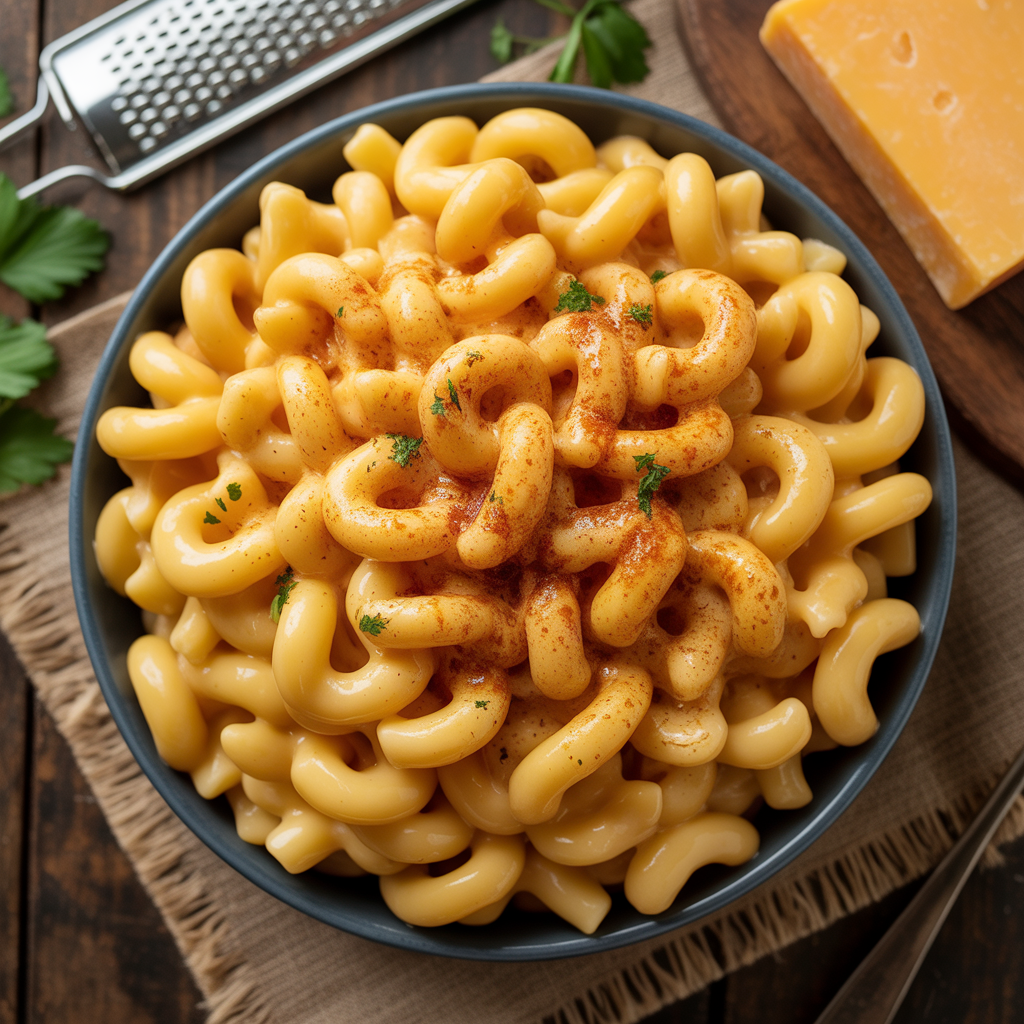
Mac and cheese is one of the most beloved comfort foods in the world, but there’s a big difference between a bowl that’s just okay and one that’s incredibly rich, velvety, and ultra-creamy. If you’ve ever wondered why your homemade mac and cheese sometimes turns out grainy, dry, or too thick, you’re not alone. The good news is that making extra creamy mac and cheese is entirely achievable with the right techniques, ingredients, and a few chef-approved secrets.
In this comprehensive guide, you’ll learn everything you need to know to take your mac and cheese from ordinary to extraordinary.
Why Does Mac and Cheese Lose Its Creaminess?
Before diving into the solutions, it helps to understand the problem. Mac and cheese can turn out less than creamy for several reasons:
- Overcooking the pasta – Mushy pasta absorbs too much sauce and loses its texture.
- Wrong cheese choices – Some cheeses don’t melt smoothly and can cause a grainy texture.
- Overheating the sauce – High heat can cause cheese proteins to seize up and separate.
- Not enough fat – Fat is the vehicle for creaminess; skimping on it leads to a thin, watery sauce.
- Skipping starch – Starch acts as a stabilizer and helps the sauce cling to pasta.
1. Choose the Right Cheese (and Use a Blend)
The single most important factor in creamy mac and cheese is your cheese selection. Not all cheeses melt the same way. For the best results, use a combination of cheeses that balance flavor and meltability.
Best Cheeses for Creamy Mac and Cheese:
- Sharp Cheddar – The classic choice for bold, tangy flavor. Go for a block and shred it yourself.
- Gruyère – Melts beautifully and adds a nutty, complex flavor.
- Fontina – Extremely melty and buttery, perfect for achieving silky texture.
- Cream Cheese – Adds rich body and a slightly tangy note.
- American Cheese – Contains sodium citrate, a natural emulsifier that keeps sauces smooth and prevents graininess.
- Velveeta – Controversial, but undeniably effective for achieving that ultra-creamy, glossy result.
- Brie or Camembert – Remove the rind and add for an indulgently creamy, gourmet twist.
Pro Tip: Always shred cheese from a block rather than using pre-shredded cheese. Pre-shredded cheese is coated with anti-caking agents like cellulose or potato starch, which prevent it from melting smoothly.
2. Use Full-Fat Dairy Products
Fat equals creaminess — it’s that simple. Using low-fat or skim milk will result in a thinner, less luxurious sauce. For maximum creaminess, opt for:
- Whole milk – The baseline for a good sauce.
- Heavy cream – For an extra indulgent, restaurant-quality result, replace some or all of the milk with heavy cream.
- Half-and-half – A good middle-ground option between milk and heavy cream.
- Evaporated milk – A secret weapon for stovetop mac and cheese. Its concentrated milk proteins help the sauce stay smooth and creamy even at higher temperatures.
- Sour cream or crème fraîche – Stirred in at the end for extra tanginess and richness.
3. Make a Proper Roux
A roux is a mixture of equal parts butter and flour cooked together before adding liquid. It serves as the foundation of a béchamel sauce, which is the base for most creamy mac and cheese recipes.
How to Make a Roux for Mac and Cheese:
- Melt 2 tablespoons of butter in a saucepan over medium heat.
- Add 2 tablespoons of all-purpose flour and whisk constantly for 1–2 minutes until the mixture turns light golden and smells slightly nutty.
- Gradually whisk in your milk or cream, adding it slowly to prevent lumps.
- Continue whisking until the sauce thickens and becomes smooth.
- Remove from heat before adding cheese.
Cooking the flour removes its raw taste and ensures the starch fully hydrates, which thickens the sauce properly and gives it a silky consistency.
4. Add a Starchy Secret: Pasta Water
When you boil pasta, the water becomes loaded with starch. This starchy pasta water is liquid gold for mac and cheese. Before draining your pasta, reserve about ½ to 1 cup of pasta water. Adding a splash to your cheese sauce as it comes together helps:
- Emulsify the fat and water components of the sauce
- Loosen a sauce that’s become too thick
- Help the sauce adhere more evenly to each piece of pasta
5. Use the Right Pasta Shape
Not all pasta shapes are created equal when it comes to holding onto sauce. The best shapes for mac and cheese are those with ridges, curves, or hollows that trap the creamy sauce in every bite:
- Cavatappi (corkscrew) – The gold standard for homemade mac and cheese
- Elbow macaroni – The classic, timeless choice
- Shells (conchiglie) – Pool sauce inside for creamy pockets of goodness
- Rigatoni or penne rigate – Ridged tubes that hold sauce beautifully
- Fusilli – Spiral shape that grabs every drop of sauce
Cook your pasta to al dente — slightly firm to the bite. It will continue cooking when combined with the hot sauce, so pulling it early prevents mushiness.
6. Never Overheat the Cheese Sauce
Heat is the enemy of smooth, creamy cheese sauce. When cheese is overheated, the proteins tighten and squeeze out the fat, resulting in a greasy, grainy, or broken sauce. Follow these rules:
- Always remove the sauce from the heat before adding cheese.
- Add cheese gradually, a handful at a time, stirring between each addition.
- Keep the heat on low to medium-low throughout the process.
- Never let the sauce reach a boil after the cheese has been added.
7. Add Sodium Citrate for a Foolproof Sauce
Used by professional chefs and food scientists, sodium citrate is an emulsifying salt that allows any cheese to melt into a perfectly smooth, velvety sauce without breaking. It’s the secret ingredient in processed cheeses like American cheese and Velveeta.
To use it in your homemade mac and cheese:
- Dissolve ¼ teaspoon of sodium citrate per 1 cup of liquid (water, milk, or broth).
- Heat the liquid until warm.
- Gradually add your shredded cheese and blend until smooth.
- Toss with cooked pasta immediately.
Sodium citrate is available online and at specialty food stores. With it, you can use virtually any cheese — even harder varieties like aged Parmesan — and get a perfectly creamy sauce every time.
8. Incorporate Cream Cheese or Mascarpone
Adding a few tablespoons of cream cheese or mascarpone to your cheese sauce dramatically increases creaminess. These soft cheeses act as:
- Natural emulsifiers that stabilize the sauce
- A source of extra fat for richness
- A way to add body without making the sauce too thick
Stir in 2–4 tablespoons of softened cream cheese or mascarpone when adding your other cheeses for a noticeably smoother, richer result.
9. Try the No-Roux Stovetop Method
Not a fan of making a roux? Try the evaporated milk method, which requires no béchamel base at all:
- Cook pasta until just al dente and drain.
- Return pasta to the pot over low heat.
- Add one can of evaporated milk and stir to combine.
- Add shredded cheese gradually while stirring constantly until melted and creamy.
- Season with salt, pepper, mustard powder, and hot sauce to taste.
- Add pasta water if the sauce needs thinning.
The concentrated proteins in evaporated milk prevent the sauce from breaking and produce a remarkably smooth, creamy texture with minimal effort.
10. Season Like a Chef
Seasoning makes an enormous difference in how your mac and cheese tastes and feels. The right seasonings enhance creaminess and add depth of flavor:
- Dry mustard powder – A small pinch brightens the cheese flavor and adds a subtle tang.
- Hot sauce (like Tabasco) – A few dashes cut through richness without adding heat.
- Worcestershire sauce – Adds umami depth.
- Garlic powder or onion powder – Subtle aromatic background flavor.
- White pepper – Milder than black pepper; adds heat without visual specks.
- Nutmeg – A classic addition to béchamel-based sauces that adds warmth.
- Salt – Season at every stage: the pasta water, the sauce, and the finished dish.
11. Baked vs. Stovetop: Which is Creamier?
If you’re going for maximum creaminess, stovetop mac and cheese wins every time. The oven tends to dry out the sauce as it bakes, which is why baked mac and cheese often has a thicker, less saucy consistency — though it gains a delicious crispy top.
If you prefer baked mac and cheese but want to keep it creamy:
- Make the sauce slightly thinner and extra saucy before baking, since it will thicken in the oven.
- Cover the dish with foil for the first half of baking to trap moisture.
- Remove the foil only for the last 10–15 minutes to brown the top.
- Add an extra splash of cream or milk right before baking.
12. Finish with Butter
A classic French technique called monter au beurre (mounting with butter) involves stirring cold butter into a sauce at the very end. This enriches the sauce, adds shine, and creates an incredibly silky texture. Stir in 1–2 tablespoons of cold unsalted butter just before serving for a noticeably richer result.
Extra Creamy Mac and Cheese Recipe
Here’s a tried-and-tested recipe that combines the best techniques from this guide:
Ingredients:
- 1 lb (450g) cavatappi or elbow macaroni
- 3 tablespoons unsalted butter
- 3 tablespoons all-purpose flour
- 2 cups whole milk
- 1 cup heavy cream
- 2 cups sharp cheddar, freshly shredded
- 1 cup Gruyère, freshly shredded
- 2 slices American cheese (or 2 oz cream cheese)
- 1 teaspoon dry mustard
- ½ teaspoon garlic powder
- ¼ teaspoon cayenne pepper (optional)
- Salt and white pepper to taste
- 2 tablespoons cold butter (for finishing)
Instructions:
- Cook pasta in heavily salted water until just al dente. Reserve 1 cup pasta water before draining.
- In a large saucepan, melt butter over medium heat. Add flour and whisk for 2 minutes.
- Gradually whisk in milk and heavy cream. Cook, stirring constantly, until the sauce thickens, about 5–7 minutes.
- Remove from heat. Add American cheese and stir until melted.
- Add cheddar and Gruyère gradually, stirring between each addition.
- Season with mustard powder, garlic powder, cayenne, salt, and white pepper.
- Fold in cooked pasta. Add pasta water as needed to adjust consistency.
- Stir in cold butter for a glossy finish. Serve immediately.
Common Mistakes to Avoid
- Using cold cheese straight from the fridge – Let shredded cheese come to room temperature before adding to the sauce for smoother melting.
- Adding cheese to boiling sauce – Always remove from heat first.
- Using pre-shredded cheese – The coating prevents smooth melting.
- Overcooking the pasta – Pull it 1–2 minutes early.
- Not tasting as you go – Adjust seasoning throughout cooking.
- Letting it sit too long – Mac and cheese is best served immediately. If it thickens while sitting, stir in a splash of warm milk to revive the sauce.
Reheating Mac and Cheese Without Losing Creaminess
Leftover mac and cheese tends to dry out in the fridge. Here’s how to bring it back to life:
- Stovetop: Place in a saucepan over low heat and add a splash of milk or cream. Stir gently until warmed through and creamy again.
- Microwave: Add a tablespoon of milk per serving, cover loosely, and microwave in 30-second intervals, stirring between each.
- Oven: Cover tightly with foil and bake at 325°F (160°C) with a little added cream until heated through.
Final Tips for Next-Level Creaminess
- Use a larger pot than you think you need — more surface area means more even heat distribution.
- Always stir the sauce constantly as the cheese melts to prevent hot spots.
- Add a pinch of smoked paprika for color and a subtle smoky undertone.
- Try truffle oil drizzled on top just before serving for a gourmet finish.
- For a crowd-pleasing twist, add roasted garlic to the sauce before adding cheese.
Making extra creamy mac and cheese comes down to choosing the right cheeses, using full-fat dairy, managing your heat carefully, and building a stable sauce foundation. Whether you’re making a quick stovetop version on a weeknight or going all-out for a dinner party, these techniques will ensure your mac and cheese is luxuriously creamy, smooth, and absolutely irresistible every single time.