
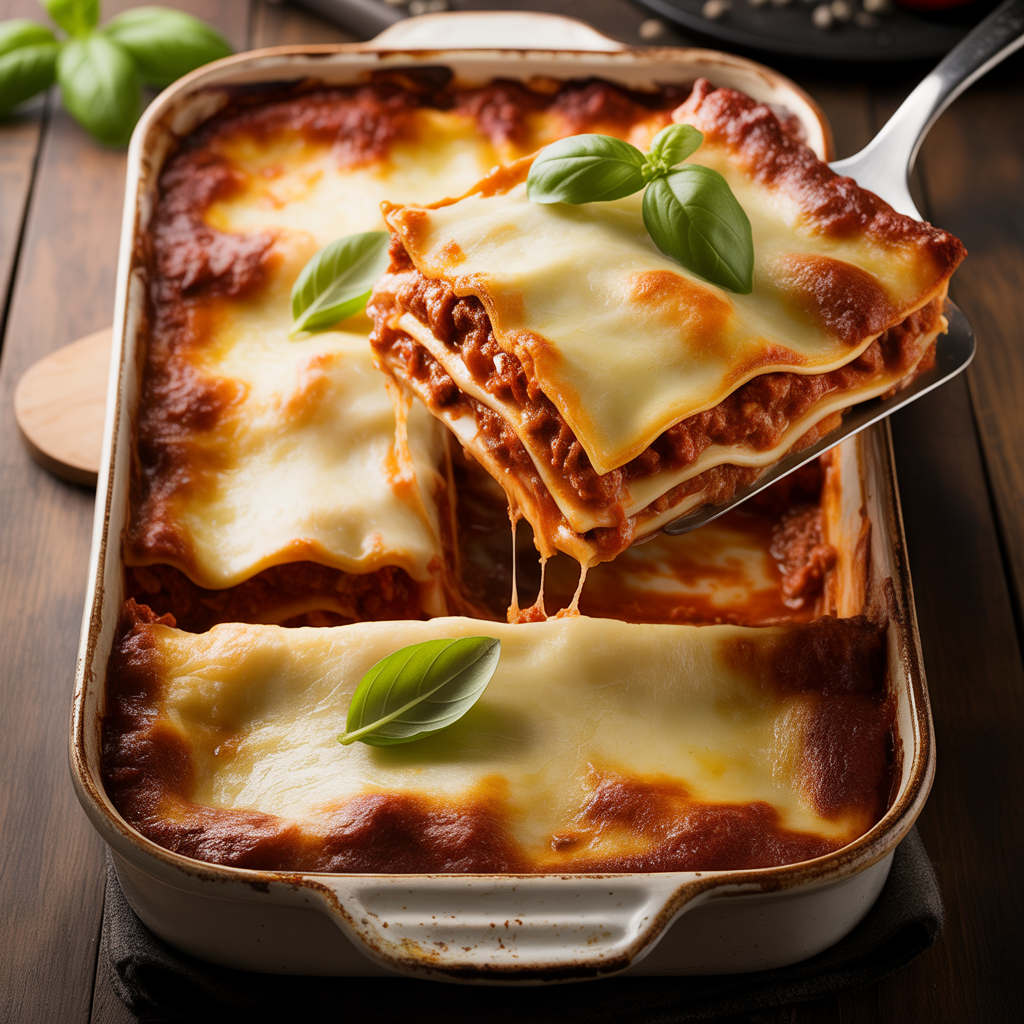
Lasagna is one of the most beloved comfort foods in the world — layers of tender pasta, rich meat sauce, creamy béchamel, and melted cheese baked together into a hearty, satisfying dish. Whether you’re making it for a family dinner, a special occasion, or meal prepping for the week, a well-made lasagna never fails to impress. In this guide, you’ll find everything you need to know to make the perfect lasagna with rich meat sauce and cheese from scratch.
Why You’ll Love This Lasagna Recipe
This isn’t just any lasagna — it’s a deeply flavorful, layered masterpiece that combines a slow-simmered meat sauce with a silky béchamel and generous amounts of melted cheese. Here’s what makes this recipe stand out:
- Rich, slow-cooked meat sauce that develops deep, complex flavors
- Creamy béchamel sauce that adds an indulgent, velvety texture
- Three types of cheese for maximum cheesiness
- Make-ahead friendly — tastes even better the next day
- Freezer-friendly — great for batch cooking
Ingredients You’ll Need
For the Meat Sauce (Bolognese-Style)
- 2 tablespoons olive oil
- 1 large onion, finely diced
- 4 cloves garlic, minced
- 2 medium carrots, finely diced
- 2 stalks celery, finely diced
- 500g (1 lb) ground beef (80/20 fat ratio preferred)
- 250g (½ lb) ground pork or Italian sausage
- 2 tablespoons tomato paste
- 1 can (800g / 28 oz) crushed tomatoes
- 1 cup beef broth
- ½ cup red wine (optional but recommended)
- 1 teaspoon dried oregano
- 1 teaspoon dried basil
- ½ teaspoon dried thyme
- 1 teaspoon sugar (to balance acidity)
- Salt and black pepper to taste
- 2 bay leaves
For the Béchamel Sauce
- 4 tablespoons unsalted butter
- 4 tablespoons all-purpose flour
- 3 cups whole milk, warmed
- ½ teaspoon nutmeg (freshly grated preferred)
- Salt and white pepper to taste
- ½ cup grated Parmesan cheese
For Assembly
- 12–16 lasagna noodles (dried or fresh)
- 2 cups ricotta cheese
- 1 egg
- 2 cups shredded mozzarella cheese
- 1 cup freshly grated Parmesan cheese
- Fresh basil or parsley for garnish (optional)
Equipment Needed
- Large heavy-bottomed pot or Dutch oven
- Medium saucepan
- Whisk
- 9×13 inch (23×33 cm) baking dish
- Aluminum foil
- Large pot for boiling noodles
Step-by-Step Instructions
Step 1: Make the Rich Meat Sauce
The secret to a truly great lasagna is a deeply flavored meat sauce. Don’t rush this step — low and slow is the way to go.
- Heat olive oil in a large, heavy-bottomed pot over medium heat.
- Add the diced onion, carrots, and celery (this is the Italian soffritto). Cook, stirring occasionally, for 8–10 minutes until softened and slightly caramelized.
- Add the minced garlic and cook for another 1–2 minutes until fragrant.
- Increase the heat to medium-high. Add the ground beef and pork. Break the meat apart with a wooden spoon and cook until browned, about 8–10 minutes. Drain any excess fat if necessary.
- Stir in the tomato paste and cook for 2 minutes, letting it caramelize slightly. This step deepens the flavor significantly.
- Pour in the red wine and stir, scraping up any browned bits from the bottom of the pot. Let it cook for 2–3 minutes until mostly evaporated.
- Add the crushed tomatoes, beef broth, oregano, basil, thyme, sugar, and bay leaves. Stir well to combine.
- Bring the sauce to a boil, then reduce heat to low. Simmer uncovered for 45 minutes to 1 hour, stirring occasionally, until the sauce is thick and rich.
- Remove bay leaves. Taste and adjust seasoning with salt and pepper.
Pro Tip: If you have time, simmer the sauce for up to 2 hours for an even richer flavor. You can also make it a day ahead — it tastes better after resting overnight.
Step 2: Prepare the Béchamel Sauce
Béchamel adds creaminess and helps bind the layers together, creating that iconic silky texture in every bite.
- In a medium saucepan, melt butter over medium heat.
- Add the flour all at once and whisk continuously for 1–2 minutes to cook out the raw flour taste. The mixture (called a roux) should look pale and bubbly.
- Gradually pour in the warm milk, whisking constantly to prevent lumps. Add the milk slowly at first, then increase to a steady stream.
- Continue to cook, whisking frequently, over medium heat until the sauce thickens enough to coat the back of a spoon, about 5–7 minutes.
- Remove from heat. Stir in the nutmeg, salt, white pepper, and grated Parmesan.
- Cover the surface with plastic wrap to prevent a skin from forming and set aside.
Pro Tip: Warm milk incorporates much more smoothly into the roux than cold milk, preventing lumps.
Step 3: Prepare the Lasagna Noodles
You have two options here: traditional dried noodles that need to be boiled, or no-boil (oven-ready) noodles.
Option A: Traditional Dried Noodles
- Bring a large pot of salted water to a boil.
- Cook the lasagna noodles according to package directions, but 1–2 minutes less than recommended (they’ll finish cooking in the oven).
- Drain and lay flat on a lightly oiled baking sheet to prevent sticking.
Option B: No-Boil Noodles
Simply use them straight from the box. Make sure each layer is well covered with sauce — the noodles will absorb moisture from the sauces as they bake.
Option C: Fresh Pasta Sheets
Fresh pasta creates the most tender, delicate lasagna. If you have homemade or store-bought fresh pasta sheets, use them directly without boiling.
Step 4: Prepare the Ricotta Mixture
- In a bowl, combine the ricotta cheese, egg, a pinch of salt, pepper, and a handful of fresh basil or parsley if using.
- Mix well until smooth and set aside.
The egg helps the ricotta hold its shape when baked, preventing it from becoming too runny.
Step 5: Assemble the Lasagna
Now comes the fun part — building your lasagna layer by layer.
- Preheat your oven to 190°C (375°F).
- Lightly grease your 9×13 inch baking dish with olive oil or butter.
- Layer 1 — Bottom: Spread a thin layer of meat sauce on the bottom of the dish. This prevents the noodles from sticking.
- Layer 2 — Noodles: Lay 3–4 lasagna noodles side by side, slightly overlapping.
- Layer 3 — Ricotta: Spread one-third of the ricotta mixture over the noodles.
- Layer 4 — Meat Sauce: Spoon one-third of the meat sauce over the ricotta.
- Layer 5 — Béchamel: Drizzle one-quarter of the béchamel sauce over the meat sauce.
- Layer 6 — Cheese: Sprinkle a handful of mozzarella and Parmesan.
- Repeat layers 2 through 6 two more times (you should have 3 complete pasta layers).
- Final Top Layer: Place your last layer of noodles. Spread the remaining béchamel sauce generously over the top. Sprinkle the remaining mozzarella and Parmesan cheese evenly.
Step 6: Bake the Lasagna
- Cover the baking dish tightly with aluminum foil. To prevent the foil from sticking to the cheese, spray it lightly with cooking spray or tent it slightly above the surface.
- Bake covered at 190°C (375°F) for 30 minutes.
- Remove the foil and bake for an additional 15–20 minutes until the top is golden brown and bubbling.
- For an extra golden top, you can broil it for the last 2–3 minutes — watch it carefully to avoid burning.
- Remove from the oven and let it rest for at least 15–20 minutes before cutting. This is crucial — resting allows the layers to set so you get clean, beautiful slices.
How to Serve Lasagna
Lasagna is a complete meal on its own, but here are some great sides to serve alongside it:
- Garlic bread — perfect for scooping up extra sauce
- Caesar salad or a simple green salad for freshness
- Roasted vegetables such as zucchini, eggplant, or bell peppers
- A glass of red wine — Chianti, Sangiovese, or Cabernet Sauvignon pair beautifully
Garnish individual servings with fresh basil leaves or chopped parsley and an extra sprinkle of Parmesan for a restaurant-worthy presentation.
Tips for the Best Lasagna
- Don’t skip the soffritto: The base of onion, carrot, and celery adds an incredible depth of flavor to the meat sauce.
- Season every layer: Taste and season as you go — underseasoned sauce means a bland lasagna.
- Use whole milk for béchamel: Lower-fat milk will result in a thinner, less rich sauce.
- Don’t overfill the layers: Too much filling can cause the lasagna to collapse and become watery.
- Let it rest: We can’t stress this enough — resting is essential for clean slices and proper texture.
- Use a mix of cheeses: Combining ricotta, mozzarella, and Parmesan gives you the perfect balance of creaminess, stretch, and salty depth.
- Cover with foil first: This traps steam to cook the noodles through and prevent the top from burning before the inside is done.
Variations and Substitutions
Vegetarian Lasagna
Skip the meat and replace it with a combination of sautéed mushrooms, zucchini, spinach, and lentils. The vegetables provide a meaty texture and the sauce will still be incredibly flavorful.
White Chicken Lasagna
Replace the meat sauce with a creamy white sauce made with cooked shredded chicken, spinach, and garlic. Use extra béchamel in place of the tomato-based sauce.
Gluten-Free Lasagna
Use gluten-free lasagna noodles and substitute the all-purpose flour in the béchamel with a gluten-free flour blend or cornstarch.
Extra Cheesy Lasagna
Add a layer of provolone or fontina cheese for extra richness and a more complex cheese flavor.
Make-Ahead and Storage Instructions
Make Ahead
Lasagna is an excellent make-ahead dish. You can:
- Make the meat sauce up to 3 days ahead and store in the refrigerator, or freeze it for up to 3 months.
- Assemble the entire lasagna (unbaked), cover tightly with plastic wrap and foil, and refrigerate for up to 24 hours. Add 10–15 minutes to the covered baking time when baking from cold.
Storing Leftovers
Store leftover lasagna in an airtight container in the refrigerator for up to 4 days. The flavor actually improves overnight as the layers meld together.
Freezing Lasagna
Lasagna freezes beautifully. To freeze:
- Allow the baked lasagna to cool completely.
- Cut into individual portions or leave whole.
- Wrap tightly in plastic wrap, then aluminum foil.
- Freeze for up to 3 months.
- To reheat from frozen: thaw overnight in the refrigerator, then bake covered at 180°C (350°F) for 30–40 minutes until heated through.
Reheating Lasagna
- Oven: Cover with foil and reheat at 180°C (350°F) for 20–25 minutes. Remove foil for the last 5 minutes to re-crisp the top.
- Microwave: Cover with a damp paper towel and heat on medium power in 2-minute intervals, checking in between.
- Stovetop: Add a small splash of water to a skillet, place a slice of lasagna in, cover with a lid, and heat over low heat until warmed through.
Frequently Asked Questions
How many layers should lasagna have?
A classic lasagna typically has 3 to 4 layers of pasta. This recipe uses 3 layers, which is the most common and produces a perfectly balanced lasagna without being too heavy or too thin.
Do I have to use béchamel sauce?
While béchamel is traditional in Italian lasagna (especially in the Emilia-Romagna region where lasagna originates), many American-style recipes skip it and use extra ricotta instead. Béchamel creates a creamier, more cohesive texture, but the lasagna is still delicious without it.
Why is my lasagna watery?
Watery lasagna is usually caused by: not cooking the meat sauce long enough (sauce is too thin), using watery ricotta (drain it through a cheesecloth if needed), or not letting the lasagna rest after baking.
Can I use store-bought pasta sauce?
Yes, you can use a good quality jarred marinara or tomato sauce in a pinch. Add browned meat and season to taste. However, homemade meat sauce will always produce a richer, more complex result.
What’s the difference between ricotta and cottage cheese in lasagna?
Ricotta is richer, creamier, and smoother, making it the preferred choice for lasagna. Cottage cheese is lower in fat and has a chunkier texture. Some people use cottage cheese as a lighter substitute, but it will change the final texture slightly.
Nutrition Information (Per Serving)
Based on 8 servings per pan (approximate values)
- Calories: 520–580 kcal
- Protein: 32g
- Carbohydrates: 38g
- Fat: 26g
- Fiber: 3g
- Sodium: 780mg
Note: Nutritional values are approximate and will vary based on specific ingredients and portion sizes used.
Final Thoughts
Making lasagna from scratch does require a bit of time and effort, but the result is absolutely worth every minute. This recipe gives you a rich, hearty, and deeply satisfying lasagna that will have everyone coming back for seconds. The key is building flavor at every step — from the slow-simmered meat sauce to the silky béchamel to the generous layers of cheese.
Whether it’s your first time making lasagna or you’re a seasoned home cook looking to perfect your technique, this guide has everything you need to create a truly memorable dish. So put on some Italian music, pour yourself a glass of wine, and enjoy the process of making something truly special.
Buon appetito!