
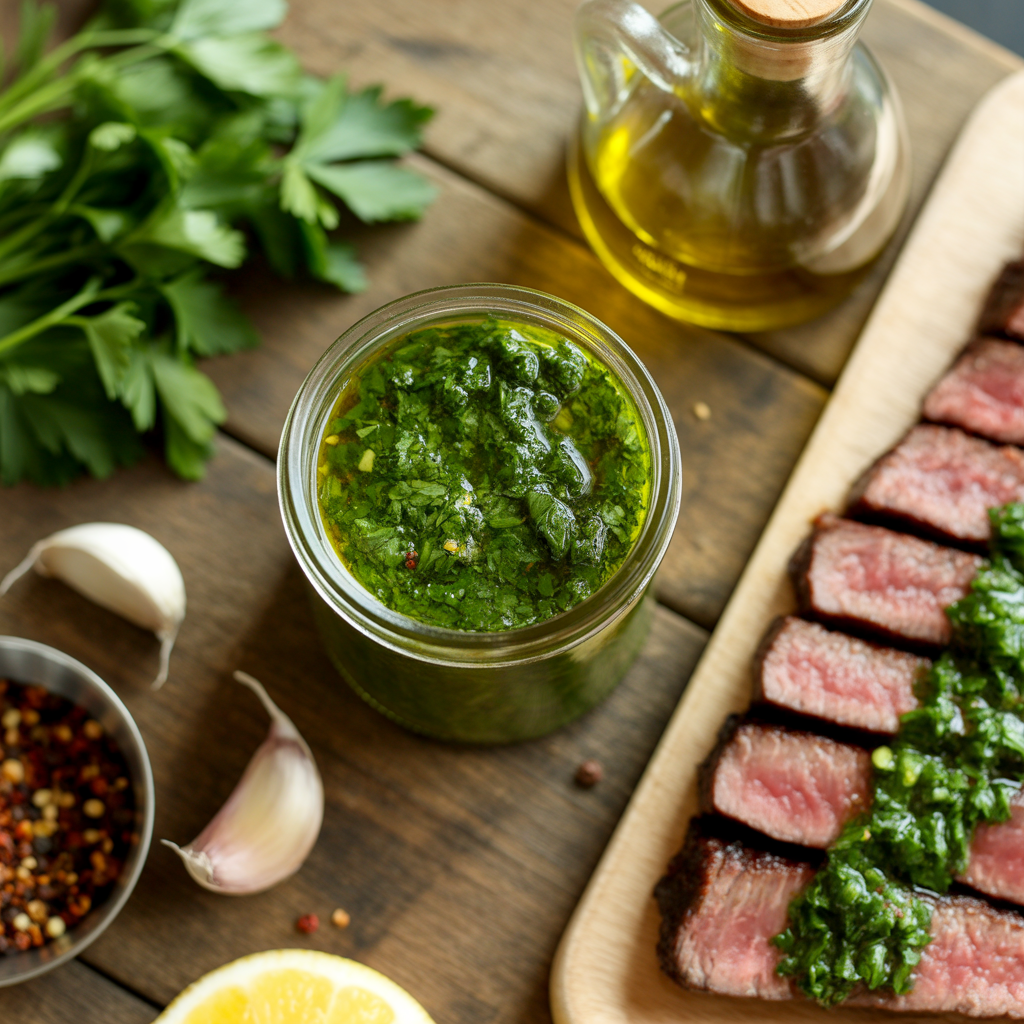
Chimichurri sauce is one of the most vibrant, flavorful condiments you can make at home. Originating from Argentina and Uruguay, this bright green herb-based sauce is traditionally served alongside grilled meats, but its uses go far beyond that. Whether you’re a seasoned cook or a beginner in the kitchen, learning how to make chimichurri sauce fresh and herby is a skill that will elevate your cooking to a whole new level.
What Is Chimichurri Sauce?
Chimichurri is an uncooked sauce made primarily from fresh herbs, garlic, oil, and vinegar. It comes in two main varieties:
- Green chimichurri (chimichurri verde): Made with fresh parsley, oregano, garlic, olive oil, red wine vinegar, and chili flakes. This is the most common version.
- Red chimichurri (chimichurri rojo): Incorporates red peppers or tomatoes along with smoked paprika for a richer, deeper flavor profile.
This guide focuses on the classic green chimichurri, which is celebrated for its fresh, herby, and slightly tangy character.
Why Make Chimichurri at Home?
Store-bought versions simply cannot compete with homemade chimichurri. Here’s why making it from scratch is always worth it:
- Freshness: The bright green color and bold herby aroma come from using freshly chopped herbs.
- Control over flavor: You can adjust the acidity, heat, and garlic level to your personal preference.
- No preservatives: Homemade chimichurri contains only real, wholesome ingredients.
- Quick and easy: It takes less than 10 minutes to prepare.
Ingredients You Need for Fresh and Herby Chimichurri
The quality of your ingredients makes all the difference. Here is what you’ll need for a classic chimichurri sauce:
- 1 cup fresh flat-leaf parsley (packed): This is the base of the sauce. Always use flat-leaf (Italian) parsley rather than curly parsley for the best flavor.
- 1/4 cup fresh oregano leaves: Fresh oregano adds an earthy, slightly peppery note. You can substitute 1 tablespoon dried oregano if fresh is unavailable.
- 4–6 garlic cloves: Freshly minced garlic is essential. Adjust the amount depending on how bold you want the flavor.
- 1/2 cup extra virgin olive oil: Use a good quality olive oil for the best taste.
- 3 tablespoons red wine vinegar: This provides the signature tangy kick. Lemon juice can be used as a substitute.
- 1 teaspoon red pepper flakes (or more to taste): For a gentle heat that complements the herbs.
- 1/2 teaspoon salt: Enhances all the other flavors.
- 1/4 teaspoon freshly ground black pepper: Adds depth.
Optional Add-ins for a Unique Twist
While the classic recipe is perfection on its own, here are some popular variations you can try:
- Fresh cilantro: Replace half the parsley with cilantro for a brighter, more citrusy flavor.
- Shallots: Finely minced shallots add a mild sweetness.
- Lemon zest: A half teaspoon of lemon zest brings extra freshness.
- Jalapeño: Finely diced jalapeño in place of red pepper flakes for a fresher heat.
- Smoked paprika: Adds a subtle smoky undertone that pairs beautifully with grilled meats.
Step-by-Step Instructions: How to Make Chimichurri Sauce
Step 1: Prepare Your Herbs
Start by washing your parsley and oregano thoroughly under cold running water. Shake off the excess water and pat them dry with a clean kitchen towel or paper towels. Remove the thick stems from the parsley, leaving only the leaves and the thin upper stems. For the oregano, simply strip the leaves from the woody stems.
Pro tip: Make sure your herbs are completely dry before chopping. Wet herbs will make the sauce watery and can dilute the flavor.
Step 2: Finely Chop the Herbs and Garlic
Using a sharp chef’s knife, finely chop the parsley and oregano on a cutting board. Then, mince the garlic cloves as finely as possible. The traditional method calls for hand-chopping rather than using a food processor, because hand-chopping preserves the texture and prevents the herbs from turning into a watery paste.
If you prefer a smoother sauce, you can use a food processor, but pulse it only 3–5 times to avoid over-processing. The goal is a sauce with visible herb pieces, not a smooth puree.
Step 3: Combine the Ingredients
Transfer the chopped parsley, oregano, and minced garlic into a medium-sized mixing bowl. Add the red pepper flakes, salt, and black pepper. Pour in the red wine vinegar and stir everything together to combine.
Step 4: Add the Olive Oil
Slowly drizzle in the extra virgin olive oil while stirring the mixture. The oil binds everything together and creates the characteristic loose, saucy consistency of chimichurri. The sauce should look lush and glossy, not thick or paste-like.
Step 5: Taste and Adjust
This is the most important step. Taste your chimichurri and adjust the seasoning to your liking:
- Too sharp or acidic? Add a little more olive oil.
- Not tangy enough? Add more red wine vinegar, a teaspoon at a time.
- Need more heat? Add extra red pepper flakes.
- Bland? Add a pinch more salt.
Step 6: Let It Rest
For the best flavor, allow the chimichurri to rest for at least 20–30 minutes at room temperature before serving. This resting period allows all the flavors to meld together beautifully. The garlic will mellow slightly, and the herbs will infuse the oil with their aromatic compounds.
If you have the time, make the sauce a few hours ahead, or even the night before. The flavor deepens significantly overnight.
How to Get the Perfect Texture
The texture of chimichurri is a matter of personal preference and tradition. Here’s a guide to achieving the texture you love:
- Rustic and chunky: Hand-chop all the ingredients with a knife and stir together manually. This is the most traditional method.
- Slightly smoother: Use a food processor and pulse 3–5 times until the herbs are finely minced but still have texture.
- Smooth (non-traditional): Blend until nearly smooth. Note this changes the mouthfeel and makes it less traditionally “chimichurri.”
Common Mistakes to Avoid
Even a simple recipe like chimichurri has pitfalls. Here’s what to watch out for:
- Using dried parsley instead of fresh: Dried herbs will never give you that brilliant green color or fresh flavor. Always use fresh parsley.
- Over-processing in a blender: This creates a pasty, unappealing texture and can cause the herbs to oxidize faster, turning the sauce an unpleasant dark color.
- Using low-quality olive oil: Since olive oil is a dominant flavor in this sauce, quality matters. Use a fruity, good-quality extra virgin olive oil.
- Skipping the resting period: Serving chimichurri immediately after making it results in a harsher, less integrated flavor.
- Not adjusting seasoning: Every batch of herbs tastes slightly different. Always taste and adjust before serving.
What to Serve with Chimichurri Sauce
Chimichurri is incredibly versatile. Here are the best ways to use it:
With Grilled Meats
Chimichurri is most famously served with grilled beef, particularly skirt steak, flank steak, or ribeye. It’s also phenomenal with lamb chops, pork tenderloin, and grilled chicken thighs.
As a Marinade
Before grilling, coat your protein with a generous amount of chimichurri and let it marinate for 1–4 hours in the refrigerator. The acid in the vinegar helps tenderize the meat while the herbs and garlic infuse deep flavor.
As a Drizzle or Dipping Sauce
Use it as a finishing sauce drizzled over grilled vegetables like zucchini, asparagus, bell peppers, or mushrooms. It also makes an excellent dipping sauce for crusty bread.
On Eggs
A spoonful of chimichurri over fried or poached eggs transforms a simple breakfast into something extraordinary.
On Sandwiches and Burgers
Spread chimichurri on your burger buns or sandwich bread instead of mayonnaise for a punchy, herby alternative.
With Seafood
Chimichurri pairs wonderfully with grilled shrimp, salmon, and swordfish. The brightness of the sauce complements the richness of seafood beautifully.
Mixed into Grains
Stir chimichurri into cooked quinoa, rice, or farro for an instantly flavorful side dish.
How to Store Chimichurri Sauce
Proper storage will keep your chimichurri fresh and flavorful for days:
- Refrigerator: Store chimichurri in an airtight jar or container in the refrigerator. It will keep well for up to 2 weeks. The olive oil may solidify slightly when cold — just let it sit at room temperature for 10 minutes before serving and stir well.
- Freezer: Pour chimichurri into an ice cube tray and freeze. Once solid, transfer the cubes to a zip-lock bag and store in the freezer for up to 3 months. This is a great way to have chimichurri ready at any time — just pop out a cube and thaw.
Important: Fresh chimichurri is always best within the first 2–3 days. After that, the parsley may lose some of its vibrant green color and the flavor can become more pungent as the garlic oxidizes.
Nutritional Benefits of Chimichurri
Beyond its incredible flavor, chimichurri also offers several nutritional benefits:
- Parsley: Rich in vitamins C and K, antioxidants, and anti-inflammatory compounds.
- Garlic: Contains allicin, which has antibacterial and immune-boosting properties.
- Extra virgin olive oil: A source of heart-healthy monounsaturated fats and powerful antioxidants like oleocanthal.
- Oregano: One of the most antioxidant-rich herbs, also known for its antimicrobial properties.
Chimichurri is naturally gluten-free, dairy-free, vegan, and low-carb — making it an ideal condiment for a wide range of diets.
Frequently Asked Questions About Chimichurri Sauce
Can I use a food processor to make chimichurri?
Yes, you can. However, use the pulse function and be careful not to over-process. You want the herbs finely minced, not pureed. A few quick pulses (3–5) is usually sufficient. Hand-chopping is preferred for the most traditional texture.
Can I substitute the red wine vinegar?
Yes. Fresh lemon juice is the most popular substitute and gives the sauce a brighter, more citrusy flavor. White wine vinegar or sherry vinegar can also be used. Balsamic vinegar is not recommended as it will discolor the sauce and overpower the herbs.
How long does fresh chimichurri last?
Stored in an airtight container in the refrigerator, chimichurri lasts up to 2 weeks. However, the bright green color and peak freshness are best within the first 3–5 days.
Is chimichurri supposed to be spicy?
Traditional chimichurri has a mild heat from red pepper flakes, but it is not considered a spicy sauce. You can easily increase or decrease the chili level to your preference.
Can I use curly parsley instead of flat-leaf parsley?
Flat-leaf parsley is strongly preferred because it has a more robust, less bitter flavor and a better texture when chopped. Curly parsley can be used in a pinch but will result in a slightly less flavorful sauce.
Quick Recipe Summary
Here is the full chimichurri recipe at a glance:
- Prep time: 10 minutes
- Rest time: 20–30 minutes
- Total time: 30–40 minutes
- Yield: Approximately 1 cup
Ingredients:
- 1 cup packed fresh flat-leaf parsley
- 1/4 cup fresh oregano leaves
- 4–6 garlic cloves, minced
- 1/2 cup extra virgin olive oil
- 3 tablespoons red wine vinegar
- 1 teaspoon red pepper flakes
- 1/2 teaspoon salt
- 1/4 teaspoon black pepper
Instructions:
- Wash and dry the herbs thoroughly.
- Finely hand-chop the parsley, oregano, and garlic.
- Combine herbs and garlic in a bowl with red pepper flakes, salt, and black pepper.
- Add red wine vinegar and stir to combine.
- Slowly drizzle in olive oil while stirring.
- Taste and adjust seasoning.
- Rest for at least 20–30 minutes before serving.
Final Thoughts
Making chimichurri sauce from scratch is one of the most rewarding things you can do in the kitchen. It’s fast, requires no cooking, and transforms even the simplest dish into something memorable. The key to a fresh and herby chimichurri is always using high-quality fresh herbs, good olive oil, and giving the sauce enough time to rest so the flavors can fully develop.
Once you make this recipe, you’ll wonder how you ever cooked without it. Keep a jar in your refrigerator at all times — you’ll find yourself reaching for it on everything from grilled steak to morning eggs.