
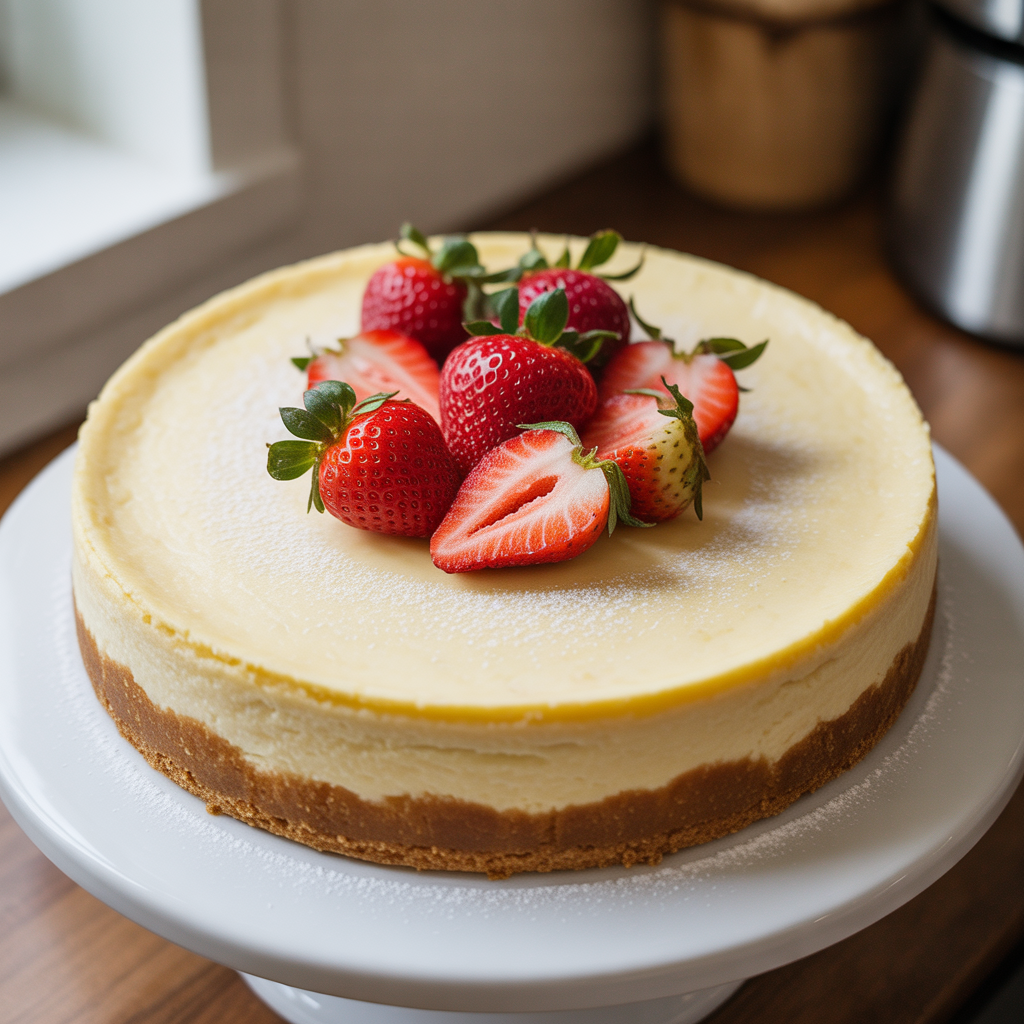
If you’ve ever pulled a cheesecake out of the oven only to find an unsightly crack running across the top, you know the frustration. A perfectly creamy, crack-free cheesecake is the holy grail of baking — and the good news is that achieving it is entirely within your reach. In this comprehensive guide, we’ll walk you through every step, tip, and technique you need to make a cheesecake that is silky smooth, rich, and flawlessly beautiful every single time.
Why Does Cheesecake Crack?
Before we dive into solutions, it’s important to understand the root causes of cracking. Cheesecake cracks for several reasons:
- Overmixing the batter — Incorporating too much air causes the cheesecake to puff up in the oven and then collapse as it cools, forming cracks.
- Overbaking — Baking beyond the right point causes the proteins in the eggs to over-set and contract, pulling the surface apart.
- Rapid temperature changes — Moving a cheesecake from a hot oven to a cold kitchen too quickly causes the exterior to contract faster than the interior.
- Incorrect pan preparation — If the cheesecake sticks to the sides of the pan and can’t contract freely as it cools, it will crack.
- Wrong ingredient temperatures — Cold cream cheese doesn’t blend smoothly, leading to lumps and uneven texture.
Understanding these causes gives you the power to prevent every one of them.
Essential Ingredients for a Creamy Cheesecake
The foundation of any great cheesecake starts with quality ingredients. Here’s what you need and why each one matters:
1. Full-Fat Cream Cheese
Always use full-fat block cream cheese, not the spreadable kind that comes in a tub. Full-fat cream cheese has the right ratio of fat and moisture to produce a rich, creamy texture. Low-fat versions contain more water, which can make the cheesecake watery and prone to cracking.
2. Room Temperature Ingredients
This is one of the most critical steps. Your cream cheese, eggs, and sour cream should all be at room temperature before you begin. Cold cream cheese will not blend smoothly and will leave lumps in your batter. Take your ingredients out of the refrigerator at least 1 to 2 hours before baking.
3. Sour Cream or Heavy Cream
Adding sour cream or heavy cream to your cheesecake batter contributes to its silky, creamy texture. Sour cream adds a slight tang that balances the richness, while heavy cream creates an ultra-smooth, dense consistency. Many recipes use one or both for the best results.
4. Eggs
Eggs provide structure to the cheesecake. They should also be at room temperature. Add eggs one at a time and mix on low speed just until each one is incorporated. Never overmix after the eggs are added.
5. Sugar
Granulated white sugar is standard, but some recipes use a combination of granulated and powdered sugar for an even smoother texture.
6. Vanilla Extract
Pure vanilla extract enhances the flavor of the cheesecake. Use real vanilla extract or vanilla bean paste for the best flavor.
The Perfect Cheesecake Crust
A great crust is more than just a base — it also helps the cheesecake release cleanly from the pan.
Graham Cracker Crust
Combine:
- 1 ½ cups graham cracker crumbs
- ¼ cup granulated sugar
- 6 tablespoons melted unsalted butter
Press the mixture firmly into the bottom of a 9-inch springform pan. Use the bottom of a flat measuring cup to press it down evenly. Bake at 325°F (163°C) for about 8–10 minutes, then let it cool before adding the filling.
Greasing the Pan Sides
This is a step many bakers skip, but it is crucial. Lightly grease the sides of the springform pan with butter or non-stick spray. As the cheesecake cools and contracts, it needs to pull away from the sides freely. If it sticks, it will crack.
Step-by-Step: Making the Cheesecake Batter
Follow these steps carefully to produce the smoothest, creamiest filling:
Step 1: Beat the Cream Cheese Alone First
Place your room-temperature cream cheese in the bowl of a stand mixer fitted with the paddle attachment (or use a hand mixer). Beat on medium speed for 2–3 minutes until the cream cheese is completely smooth and free of lumps. Scrape down the sides frequently.
Step 2: Add Sugar Gradually
Add the sugar slowly while mixing on low to medium speed. Beat until fully incorporated and the mixture is smooth, about 1–2 minutes.
Step 3: Add Sour Cream and Vanilla
Add sour cream (or heavy cream) and vanilla extract. Mix on low speed until just combined.
Step 4: Add Eggs One at a Time
This is the most important step. Add eggs one at a time, mixing on low speed after each addition just until the yolk disappears. Do not overmix. Overmixing at this stage is the number one cause of cracking because it incorporates excess air into the batter.
Step 5: Scrape and Check
Use a rubber spatula to scrape down the bottom and sides of the bowl to make sure everything is evenly mixed. Give the batter one final gentle stir by hand if needed.
The Water Bath Method (Bain-Marie): The Secret to No Cracks
The single most effective technique for preventing cheesecake cracks is baking it in a water bath, also known as a bain-marie. Here’s how it works and how to do it properly.
Why a Water Bath Works
Water can only reach a maximum temperature of 212°F (100°C) at standard atmospheric pressure. This means the cheesecake bakes in a gentle, humid environment that:
- Prevents the outer edges from cooking faster than the center
- Keeps the oven environment moist, preventing the surface from drying out and cracking
- Ensures a slow, even bake for a creamy texture throughout
How to Set Up a Water Bath
- Wrap the outside of your springform pan tightly with two or three layers of heavy-duty aluminum foil to prevent water from seeping in. Alternatively, place the springform pan inside a slightly larger cake pan before setting it in the water bath.
- Place the foil-wrapped pan into a large roasting pan.
- Pour the cheesecake batter into the prepared pan.
- Pull out the oven rack slightly, place the roasting pan on it, and carefully pour very hot or boiling water into the roasting pan until it reaches about halfway up the sides of the springform pan.
- Gently slide the rack back into the oven and close the door.
Alternative: The Steam Method
If you’re nervous about water seeping into your pan, try the steam method instead. Simply place a large pan of hot water on the lower rack of the oven while the cheesecake bakes on the rack above it. This creates a humid baking environment without the risk of a soggy crust.
Baking Temperature and Time
Baking at the right temperature is essential for a creamy, crack-free cheesecake.
Recommended Temperature
Bake your cheesecake at 325°F (163°C). Some recipes go as low as 300°F (149°C) for an even gentler bake. Avoid baking at high temperatures, as this will cause the edges to set too quickly while the center is still liquid.
How to Know When It’s Done
This is where most bakers go wrong. The cheesecake is done when:
- The edges are set and slightly puffed
- The center 2–3 inches still jiggles like Jell-O when you gently shake the pan
- An instant-read thermometer inserted into the center reads 150°F to 155°F (65°C to 68°C)
The center will continue to cook from residual heat after the oven is turned off. If the cheesecake is fully set with no jiggle in the center before it comes out of the oven, it is overbaked and will likely crack.
The Cooling Process: Patience is Key
How you cool your cheesecake is just as important as how you bake it. Rapid cooling is one of the most common causes of cracking.
Step 1: Turn Off the Oven and Crack the Door
When the cheesecake is done, turn off the oven and prop the oven door open slightly with a wooden spoon. Leave the cheesecake inside for 1 hour. This allows the cheesecake to cool gradually in a warm environment.
Step 2: Cool at Room Temperature
After an hour in the oven, remove the cheesecake and let it cool on a wire rack at room temperature for another 1 to 2 hours.
Step 3: Refrigerate Overnight
Once it reaches room temperature, cover the cheesecake loosely with plastic wrap and refrigerate for at least 4 hours, but preferably overnight. This resting time allows the cheesecake to fully set and develop its creamy, dense texture. A cheesecake that is served too soon will be soft and not fully set.
Running a Knife Around the Edge
About 15–20 minutes after the cheesecake comes out of the oven — while it is still warm — run a thin-bladed knife or an offset spatula around the inside edge of the pan. This releases the cheesecake from the sides, allowing it to contract freely as it cools without pulling apart and cracking.
Common Mistakes and How to Avoid Them
Mistake 1: Using Cold Ingredients
Solution: Always bring cream cheese, eggs, and sour cream to room temperature before mixing.
Mistake 2: Overmixing the Batter
Solution: Mix on low speed once the eggs are added. Stop as soon as each ingredient is incorporated.
Mistake 3: Skipping the Water Bath
Solution: Always use a water bath or at least a steam method for the most crack-free results.
Mistake 4: Overbaking
Solution: Pull the cheesecake when the center still jiggles. Trust the process — it will set as it cools.
Mistake 5: Cooling Too Quickly
Solution: Always cool the cheesecake gradually — in the turned-off oven first, then at room temperature, then in the refrigerator.
Mistake 6: Not Greasing the Pan Sides
Solution: Always grease the sides of the springform pan so the cheesecake can pull away freely as it contracts.
How to Fix a Cracked Cheesecake
Even with the best precautions, sometimes cracks happen. Here’s how to hide them:
- Sour cream topping: Mix ½ cup sour cream with 2 tablespoons sugar and 1 teaspoon vanilla. Spread it over the warm cheesecake right after it comes out of the oven. Bake for 5 more minutes. This seals any cracks and adds a beautiful layer.
- Fruit topping: Fresh strawberries, blueberries, or a fruit compote can elegantly conceal any imperfections.
- Whipped cream: Pipe rosettes of whipped cream across the top to cover cracks.
- Ganache or caramel drizzle: Pour chocolate ganache or salted caramel over the top for a decadent fix.
Full Creamy Cheesecake Recipe
Here is a complete, tried-and-true recipe using all the techniques described above:
Ingredients
For the crust:
- 1 ½ cups (150g) graham cracker crumbs
- ¼ cup (50g) granulated sugar
- 6 tablespoons (85g) unsalted butter, melted
For the filling:
- 32 oz (900g) full-fat block cream cheese, at room temperature
- 1 cup (200g) granulated sugar
- 1 cup (240g) full-fat sour cream, at room temperature
- 1 teaspoon pure vanilla extract
- 3 large eggs, at room temperature
- 2 tablespoons all-purpose flour (optional, for extra stability)
Instructions
- Preheat your oven to 325°F (163°C). Grease the bottom and sides of a 9-inch springform pan.
- Mix graham cracker crumbs, sugar, and melted butter. Press firmly into the bottom of the pan. Bake for 8–10 minutes. Set aside to cool.
- Wrap the outside of the pan with two layers of heavy-duty aluminum foil.
- Beat cream cheese on medium speed for 2–3 minutes until smooth. Scrape down the sides.
- Add sugar and beat on medium-low until combined, about 1–2 minutes.
- Add sour cream and vanilla. Mix on low until just combined.
- Add flour if using. Mix briefly on low.
- Add eggs one at a time, mixing on low speed just until each is incorporated. Do not overmix.
- Pour the batter over the cooled crust.
- Place the springform pan in a large roasting pan. Add hot water to the roasting pan until it reaches halfway up the sides of the springform pan.
- Bake for 55–70 minutes, until the edges are set and the center jiggles slightly.
- Turn off the oven, crack the door open, and let the cheesecake cool inside for 1 hour.
- Run a knife around the edge of the pan. Cool at room temperature for 1–2 hours.
- Refrigerate for at least 4 hours or overnight before serving.
Tips for Extra Creaminess
- Add a tablespoon of cornstarch or flour to the batter. This helps stabilize the structure and prevents over-setting.
- Use a combination of cream cheese and mascarpone for an even silkier texture.
- Don’t open the oven door during baking. Sudden temperature drops can cause the cheesecake to crack or sink.
- Blend the cream cheese in a food processor before adding other ingredients for an ultra-smooth, lump-free batter.
- Use a hot knife to slice the cheesecake cleanly. Dip a sharp knife in hot water and wipe it dry between each cut.
Frequently Asked Questions
Can I make cheesecake without a water bath?
Yes, but you are more likely to get cracks. If you skip the water bath, use a lower oven temperature (300°F/149°C), be extra careful not to overmix, and follow the gradual cooling steps carefully. You can also use the steam method as a lower-risk alternative.
Why is my cheesecake dense instead of creamy?
This usually means it was overbaked. A perfectly baked cheesecake that is chilled overnight will have a creamy, smooth texture. Overbaking drives out too much moisture and makes it rubbery and dense.
How long does cheesecake last in the refrigerator?
A properly stored cheesecake will last 5 to 7 days in the refrigerator, covered with plastic wrap or stored in an airtight container.
Can I freeze cheesecake?
Yes! Cheesecake freezes beautifully. Wrap individual slices or the whole cheesecake tightly in plastic wrap and then in aluminum foil. Freeze for up to 2 months. Thaw overnight in the refrigerator before serving.
Why does my cheesecake have a grainy texture?
Grainy texture usually comes from using cold cream cheese that didn’t fully blend, or from curdled eggs (which can happen if the eggs were too cold or added too quickly). Always use room-temperature ingredients and mix gently.
Final Thoughts
Making a perfectly creamy, crack-free cheesecake is not about luck — it’s about technique. By using room-temperature ingredients, mixing gently, baking with a water bath, avoiding overbaking, and cooling slowly, you can achieve a flawless cheesecake every time. The extra steps may seem tedious, but once you taste that silky-smooth slice with a perfectly intact surface, you’ll know every bit of effort was absolutely worth it. Happy baking!