
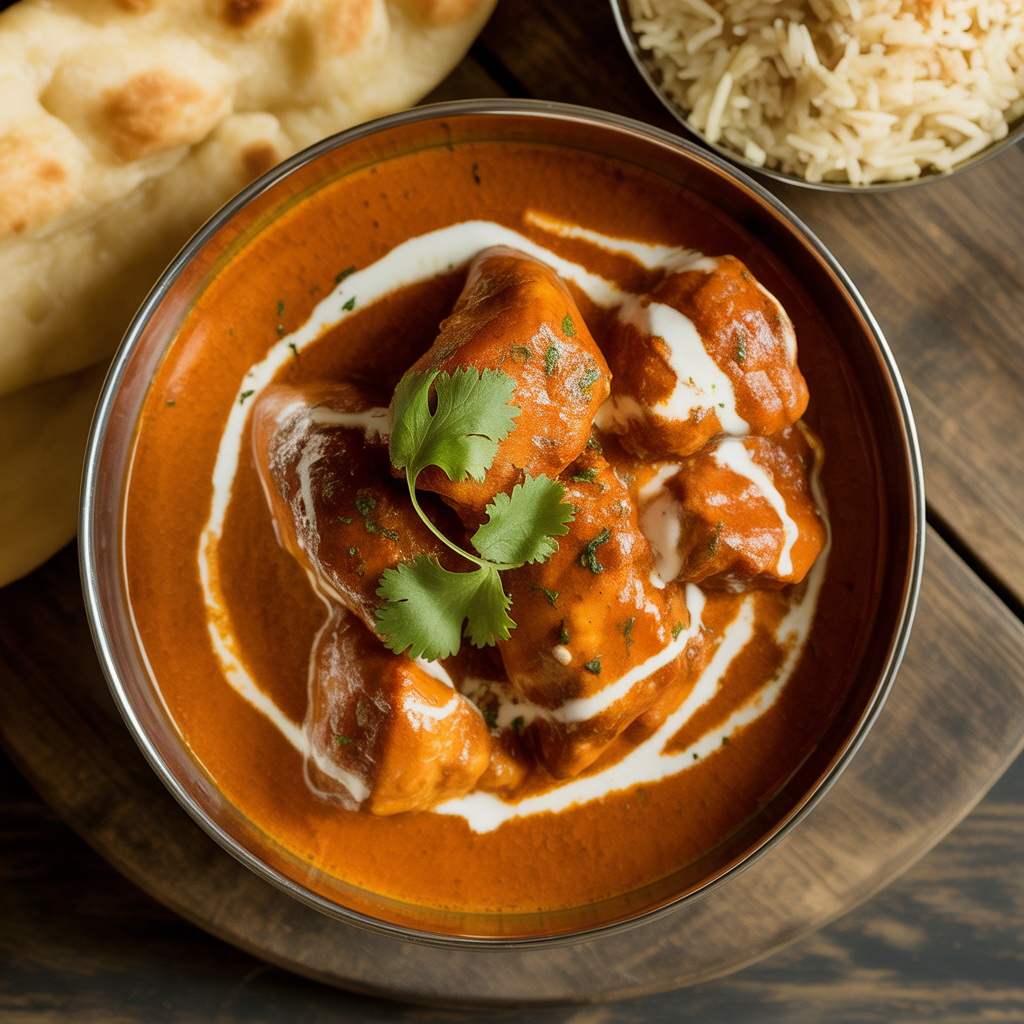
Butter chicken, known as Murgh Makhani, is one of the most beloved Indian dishes worldwide. Its signature creamy, rich, and velvety sauce is what makes it truly irresistible. But achieving that perfect restaurant-quality creaminess at home can feel like a challenge. In this guide, we’ll walk you through every secret, tip, and technique to make your butter chicken incredibly creamy and rich — every single time.
Understanding What Makes Butter Chicken Creamy
Before diving into techniques, it’s important to understand the science behind the creaminess of butter chicken. The richness comes from a combination of:
- Heavy cream or whipping cream — adds body and silkiness
- Butter — provides a luxurious mouthfeel and depth of flavor
- Cashew paste or almond paste — creates a naturally thick and nutty base
- Tomato base — when cooked down properly, creates a smooth, concentrated flavor
- Proper blending and straining — ensures a lump-free, velvety texture
Each of these elements plays a crucial role. Skipping or rushing any one of them can result in a thinner, less satisfying sauce.
Ingredients You Need for a Creamy Butter Chicken
For the Chicken Marinade:
- 500g (1.1 lb) boneless chicken thighs or breasts, cut into pieces
- 1 cup plain yogurt (full-fat for best results)
- 1 tablespoon lemon juice
- 1 teaspoon turmeric powder
- 1 teaspoon red chili powder (Kashmiri for color)
- 1 teaspoon garam masala
- 1 teaspoon cumin powder
- 1 tablespoon ginger-garlic paste
- Salt to taste
- 2 tablespoons oil
For the Makhani Sauce:
- 3 tablespoons unsalted butter (divided)
- 1 tablespoon oil
- 1 large onion, roughly chopped
- 6 medium tomatoes, roughly chopped (or 1 can of crushed tomatoes)
- 1 tablespoon ginger-garlic paste
- 2 teaspoons Kashmiri red chili powder
- 1 teaspoon coriander powder
- 1 teaspoon cumin powder
- 1 teaspoon garam masala
- 1/2 teaspoon cardamom powder
- 1/4 cup raw cashews, soaked in warm water for 20 minutes
- 3/4 cup heavy cream (or whipping cream)
- 1 tablespoon honey or sugar
- 1 teaspoon kasuri methi (dried fenugreek leaves) — the secret ingredient
- Salt to taste
- 1/2 cup water or chicken stock
Step-by-Step Instructions
Step 1: Marinate the Chicken
Combine all marinade ingredients with the chicken and mix well. Cover and refrigerate for at least 2 hours, ideally overnight. The longer the marination, the more tender and flavorful the chicken will be. Full-fat yogurt helps tenderize the meat and keeps the chicken moist during cooking.
Step 2: Cook the Chicken
For the most authentic smoky flavor, cook the marinated chicken on a grill or under a broiler/oven at high heat (220°C/425°F) until slightly charred on the outside. If you don’t have a grill, you can cook the chicken in a cast-iron skillet over high heat with a little oil. The slight char adds incredible depth to the final dish. Set the cooked chicken aside.
Step 3: Build the Tomato Base
In a large heavy-bottomed pan or Dutch oven, heat 1 tablespoon of butter and 1 tablespoon of oil over medium heat. Add the chopped onions and sauté until they turn golden brown — this typically takes 10–12 minutes. Don’t rush this step; caramelized onions add natural sweetness and depth to the sauce.
Add the ginger-garlic paste and cook for another 2 minutes until the raw smell disappears. Add the chopped tomatoes, Kashmiri red chili powder, coriander powder, and cumin powder. Stir well and cook on medium-low heat for 15–20 minutes until the tomatoes completely break down and the oil starts to separate from the mixture.
Step 4: Add the Cashew Paste
Drain the soaked cashews and blend them with a small amount of water into a very smooth paste. Add this paste to the tomato mixture and stir well. Cook for another 5 minutes. Cashew paste is the key to achieving a thick, creamy sauce without relying solely on dairy.
Step 5: Blend and Strain the Sauce
This is one of the most critical steps for achieving a restaurant-quality silky texture. Allow the tomato-cashew mixture to cool slightly, then blend it in batches in a high-powered blender until completely smooth. After blending, strain the sauce through a fine-mesh sieve, pushing it through with the back of a spoon. This removes any fibrous tomato skin or onion pieces, resulting in an ultra-smooth, velvety base.
Return the strained sauce to the pan over medium heat.
Step 6: Finish the Sauce with Cream and Butter
Add the remaining 2 tablespoons of butter to the sauce and stir until it melts completely. Then, lower the heat and slowly pour in the heavy cream while stirring continuously. This technique, called tempering, prevents the cream from curdling and ensures it incorporates smoothly into the sauce.
Add garam masala, cardamom powder, honey (or sugar), and salt. Stir and let the sauce simmer on low heat for 5–7 minutes, allowing all the flavors to meld together beautifully.
Step 7: Add the Chicken and Kasuri Methi
Add the grilled or pan-cooked chicken pieces into the sauce and stir gently to coat them well. Simmer for another 5–10 minutes over low heat so the chicken absorbs all the flavors of the sauce.
Just before serving, crush the kasuri methi (dried fenugreek leaves) between your palms and add it to the dish. This is the secret ingredient that gives butter chicken its distinctive restaurant-style aroma and slightly smoky, earthy finish. Do not skip this step!
Pro Tips to Make Butter Chicken Extra Creamy and Rich
1. Use Full-Fat Dairy Only
Always use full-fat yogurt, heavy cream, and full-fat butter. Low-fat alternatives will produce a watery, thin sauce that lacks the richness expected in a proper butter chicken. Heavy whipping cream (35% fat or higher) is ideal.
2. Don’t Skip the Cashew Paste
Many home cooks skip cashew paste and rely entirely on cream for thickness. But restaurants use cashew paste or almond paste to build a thick, creamy base that doesn’t break or separate when heated. It also adds a subtle nutty sweetness that enhances the overall flavor profile.
3. Cook the Tomatoes Long Enough
Undercooked tomatoes will make your sauce taste acidic and raw. Cook your tomatoes on low-to-medium heat until they completely break down and the oil visibly separates from the mixture. This process, known as “bhunoing” in Indian cooking, concentrates the flavor and removes the raw tomato taste.
4. Always Blend and Strain
Never skip straining the sauce. Even if you blend it well, there will always be small bits of tomato skin or fibrous pieces. Straining through a fine-mesh sieve is what separates a home-cooked curry from a restaurant-quality one in terms of texture.
5. Add Cream on Low Heat
Adding cream to a boiling sauce will cause it to curdle or split, resulting in a grainy texture. Always reduce the heat to low before adding cream, and stir continuously as you pour it in slowly.
6. Balance the Sweetness and Acidity
A small amount of honey, sugar, or even a teaspoon of ketchup helps balance the natural acidity of the tomatoes. This balance is what gives butter chicken its characteristic mildly sweet undertone that makes it so universally appealing.
7. Use Kashmiri Red Chili Powder for Color
Regular red chili powder can make your sauce too spicy. Kashmiri red chili powder provides the beautiful deep orange-red color characteristic of butter chicken without adding excessive heat. It’s a mild, vibrant spice that enhances both the appearance and flavor.
8. Finish with Extra Butter
Just before plating, add a final knob of cold butter and swirl it into the sauce. This technique, used in French cooking as montée au beurre, gives the sauce an incredibly glossy, luxurious finish.
Common Mistakes That Ruin Butter Chicken Creaminess
- Using low-fat cream or milk — results in a watery sauce that lacks body
- Adding cream over high heat — causes curdling and a grainy texture
- Not cooking tomatoes long enough — leads to an acidic, raw-tasting sauce
- Skipping the straining step — results in a lumpy, uneven sauce
- Over-spicing the dish — masks the delicate, creamy flavor profile
- Skipping kasuri methi — misses a key aromatic element that defines the dish
Variations to Enhance Creaminess
Add Condensed Milk
Some chefs add a tablespoon of sweetened condensed milk to the sauce for an ultra-rich, slightly sweet flavor. Use sparingly to avoid making the dish too sweet.
Use Coconut Cream
For a dairy-free version, substitute heavy cream with full-fat coconut cream. It provides excellent richness and creaminess, though it will add a subtle coconut flavor to the dish.
Add Melon Seeds Paste
Another restaurant secret is adding a paste made from soaked white poppy seeds or melon seeds (charmagaz) along with cashews. This makes the sauce even thicker and richer.
What to Serve with Butter Chicken
To fully enjoy the creamy richness of butter chicken, serve it with:
- Naan bread — perfect for soaking up the sauce
- Basmati rice — the long-grain rice complements the rich sauce beautifully
- Jeera rice — cumin-scented rice that pairs wonderfully
- Garlic naan — adds extra flavor to every bite
- Roti or paratha — whole wheat flatbreads for a lighter pairing
Storage and Reheating Tips
Butter chicken actually tastes better the next day as the flavors develop further. Store it in an airtight container in the refrigerator for up to 3 days. When reheating, do so gently over low heat and add a splash of water or cream to restore the sauce’s original consistency. Avoid microwaving on high heat as this can cause the cream to separate.
You can also freeze butter chicken for up to 2 months. Thaw overnight in the refrigerator and reheat gently, stirring in a little cream to refresh the sauce.
Final Thoughts
Making a truly creamy and rich butter chicken at home is entirely achievable when you understand and respect each step of the process. From the marination to the final swirl of butter, every detail contributes to that silky, restaurant-quality sauce that coats each piece of tender chicken perfectly. The combination of cashew paste, full-fat cream, caramelized onions, properly cooked tomatoes, and kasuri methi is the winning formula that transforms a simple curry into an extraordinary culinary experience.
Follow these techniques consistently, and your homemade butter chicken will rival — and perhaps even surpass — anything you’ve had at a restaurant. Happy cooking!