
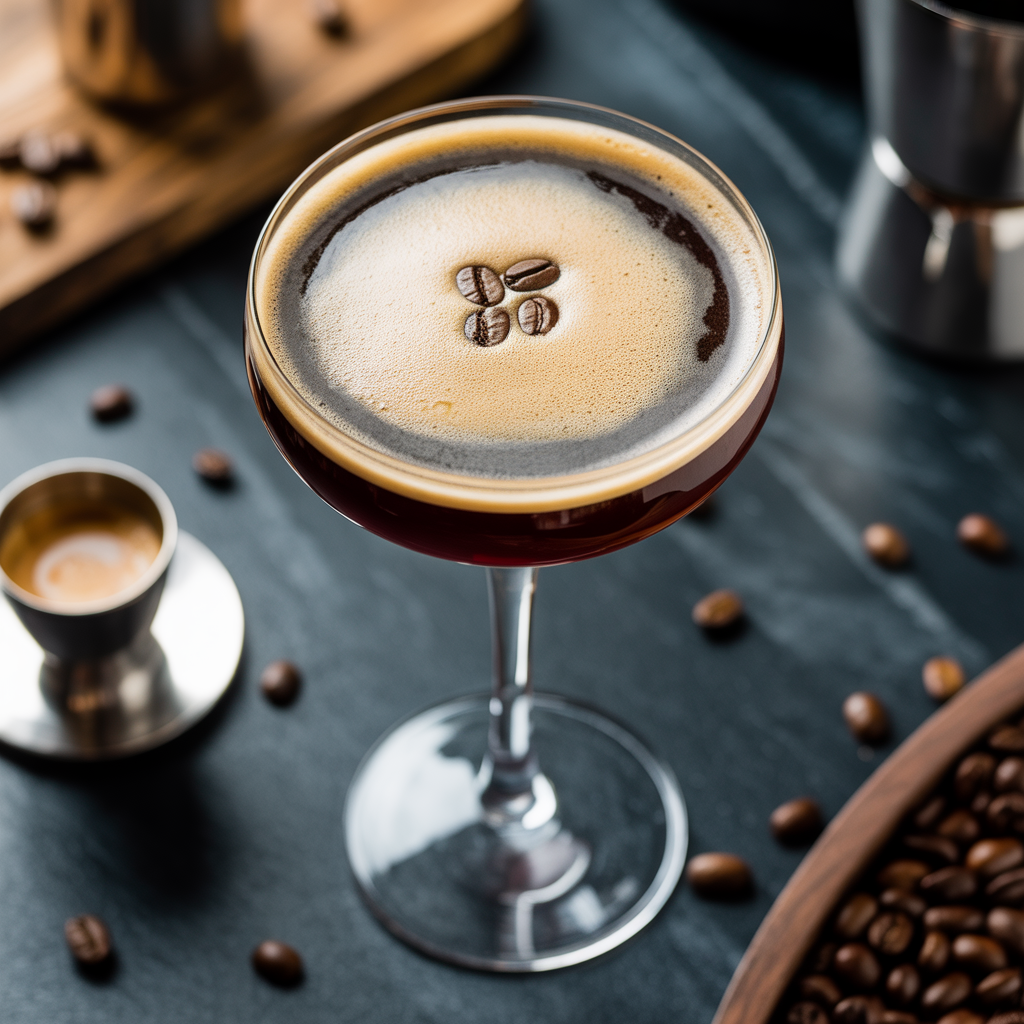
An espresso martini is one of the most beloved cocktails in the world, combining the bold kick of coffee with the smooth elegance of a classic martini. But what separates a great espresso martini from a mediocre one? The answer lies in achieving that signature thick, frothy top and silky smooth texture that makes every sip feel luxurious. Whether you’re mixing drinks at home or trying to perfect your bartending skills, this comprehensive guide will walk you through everything you need to know.
What Makes an Espresso Martini Frothy?
The froth on an espresso martini comes from two key sources:
- The natural crema from freshly brewed espresso — Espresso contains oils and carbon dioxide that, when shaken vigorously, create a dense, creamy foam.
- Vigorous dry and wet shaking — The technique you use to shake the cocktail directly determines how much air is incorporated into the drink.
Understanding these two factors is the foundation of making a perfectly frothy espresso martini every single time.
Essential Ingredients You’ll Need
Before diving into technique, make sure you have the right ingredients. Quality matters enormously here.
- Fresh espresso (30–40ml / 1–1.5 oz): Freshly brewed and slightly cooled is best. Avoid using cold brew or instant coffee as substitutes — they will not produce the same froth.
- Vodka (50ml / 1.75 oz): Use a premium, neutral-flavored vodka for the smoothest result.
- Coffee liqueur (25ml / 1 oz): Kahlúa is the classic choice, but Tia Maria or any quality coffee liqueur works well.
- Simple syrup (optional, 10ml / 0.3 oz): Adjust sweetness to taste. Some recipes skip this entirely if the coffee liqueur provides enough sweetness.
- Ice: Use plenty of fresh, hard ice cubes. Avoid wet or partially melted ice.
The Right Equipment
Having the proper tools makes a significant difference in your final result:
- Cocktail shaker: A standard Boston shaker or cobbler shaker both work. Make sure it has a tight seal.
- Espresso machine or Moka pot: A proper espresso machine produces the best crema. A Moka pot is a decent alternative.
- Hawthorne strainer and fine mesh strainer: Double straining removes ice chips and ensures a smooth, clear pour.
- Chilled martini glass: Place your glass in the freezer for at least 10–15 minutes before serving.
- Measuring jigger: Precision in measurements keeps your drink balanced.
Step-by-Step Recipe: How to Make a Frothy Espresso Martini
Step 1: Brew Your Espresso and Let It Cool Slightly
Pull a fresh shot of espresso. Allow it to cool for about 2–3 minutes — you want it warm, not scalding hot. Using coffee that is too hot will melt your ice too quickly during shaking, leading to an over-diluted and weak cocktail. However, avoid letting it go completely cold before shaking, as the warmth helps generate better froth.
Step 2: Chill Your Glass
While your espresso cools, place your martini glass in the freezer or fill it with ice water and set it aside. A cold glass keeps your cocktail chilled longer and prevents the froth from collapsing too quickly.
Step 3: Combine Ingredients in the Shaker
Add all your ingredients to the shaker in this order:
- Espresso
- Vodka
- Coffee liqueur
- Simple syrup (if using)
Pro tip: Add the espresso first, before the ice, to preserve as much of the crema as possible.
Step 4: The Dry Shake (The Secret to Maximum Froth)
This is the most important step that most home bartenders skip. Before adding ice, seal your shaker and shake vigorously without ice for 10–15 seconds. This is called a dry shake. The dry shake emulsifies the ingredients and begins building the foam structure without diluting the drink. You’ll notice resistance in the shaker as pressure builds — this is a good sign.
Step 5: Add Ice and Wet Shake
Now open the shaker, fill it generously with ice, and seal it again. Shake as hard and fast as you possibly can for another 15–20 seconds. Don’t be shy — this is where the magic happens. The harder you shake, the more air is incorporated, and the thicker your froth will be. You should feel the shaker become very cold in your hands.
Step 6: Double Strain Into Your Chilled Glass
Empty any ice water from your chilled glass. Hold a Hawthorne strainer over the shaker and a fine mesh strainer over the glass, then pour the cocktail through both strainers simultaneously. This double straining technique catches any ice chips while still allowing the fine foam bubbles to pass through, resulting in a smooth, velvety pour with a thick frothy head on top.
Step 7: Garnish and Serve
Traditionally, an espresso martini is garnished with three whole coffee beans placed in the center of the froth. The three beans symbolize health, wealth, and happiness. Serve immediately before the foam begins to settle.
Pro Tips for an Even Frothier Espresso Martini
Use the Freshest Espresso Possible
The crema in espresso degrades rapidly. For the best froth, use espresso that was brewed within the last 5–10 minutes. Stale or pre-made espresso will have little to no crema, significantly reducing your froth potential.
Don’t Over-Dilute Your Ice
Use large, hard ice cubes rather than small or crushed ice. Large cubes chill the drink effectively without melting too quickly and watering down the flavors.
The Reverse Dry Shake Method
Some bartenders prefer the reverse dry shake: shake with ice first, then strain the ice out and shake again without ice. This method can produce an even finer, more stable foam. Experiment with both methods to see which works best for you.
Temperature Matters
Every element of the drink should be at the optimal temperature. Cold vodka straight from the freezer, slightly warm espresso, and a thoroughly chilled glass all contribute to the perfect texture.
Adjust Your Coffee-to-Liqueur Ratio
If you prefer a stronger coffee flavor, increase your espresso and reduce the simple syrup. If you prefer something sweeter and more dessert-like, increase the coffee liqueur slightly. Always taste and adjust before settling on your perfect ratio.
Common Mistakes to Avoid
Using Instant Coffee or Cold Brew
While you can make a decent coffee-flavored cocktail with instant coffee or cold brew, you will not achieve the signature frothy top. The crema from a proper espresso machine is irreplaceable for this purpose.
Shaking Too Gently
Many people are tentative when shaking cocktails, especially with a sealed shaker. Don’t be afraid to shake with full force. The harder and more vigorously you shake, the better your froth will be.
Skipping the Dry Shake
The dry shake is non-negotiable if you want that thick, persistent foam. Even an extra 10 seconds of shaking without ice makes a visible difference in your final result.
Not Chilling the Glass
Pouring a cold cocktail into a warm glass causes the foam to collapse almost immediately. Always chill your glass before serving.
Over-Diluting the Drink
Shaking for too long with ice or using wet ice will dilute the cocktail, making it watery and weak. Keep your wet shake to 15–20 seconds maximum.
Variations to Try
Vanilla Espresso Martini
Add a splash of vanilla vodka or a few drops of vanilla extract to give your cocktail a warm, dessert-like depth of flavor.
Salted Caramel Espresso Martini
Swap the simple syrup for salted caramel syrup and add a pinch of flaky sea salt on top of the foam for a sweet-savory twist.
Baileys Espresso Martini
Replace part of the vodka with Baileys Irish Cream for a richer, creamier version of the cocktail. Note that the froth may be slightly different in texture but the flavor is indulgent.
Spiced Espresso Martini
Add a small dash of cinnamon syrup or dust the froth with ground cinnamon and nutmeg for a warm, spiced variation perfect for autumn and winter.
How to Make a Large Batch for Parties
If you’re entertaining a group, you can scale up the recipe easily. Pre-batch the vodka, coffee liqueur, and simple syrup in a large container. Brew fresh espresso as needed and add it to the shaker with ice in individual or double-serving portions. Never pre-mix the espresso into the batch too far in advance, as the crema will degrade.
Alternatively, consider investing in a cocktail frother or milk frother to help maintain froth when making multiple servings in quick succession.
Frequently Asked Questions
Can I make an espresso martini without an espresso machine?
Yes, a Moka pot produces a strong, concentrated coffee with some crema that works reasonably well. A French press on its own does not produce enough pressure to generate crema and will result in less froth. AeroPress coffee is another alternative that can produce a crema-like layer.
Why is my espresso martini not frothy?
The most common reasons are: using stale or pre-brewed espresso with no crema, not doing a dry shake, not shaking hard enough, or using ice that has melted and diluted the mixture too early. Review each step carefully.
How long does the froth last?
The froth on an espresso martini typically lasts 5–10 minutes before it begins to settle. Serve and drink promptly for the best experience.
Can I make an espresso martini ahead of time?
You can pre-batch the non-espresso ingredients but should always add and shake with fresh espresso just before serving to ensure maximum froth. A pre-made espresso martini stored in a bottle will lose its foam entirely.
What is the best vodka for an espresso martini?
A clean, neutral vodka like Grey Goose, Belvedere, or Ketel One works best as it lets the coffee flavors shine. Avoid flavored vodkas unless you are intentionally creating a variation.
Final Thoughts
Making a perfectly frothy and smooth espresso martini is a skill that rewards attention to detail. From choosing the freshest espresso to mastering the dry shake technique, every step contributes to that iconic velvety foam and balanced flavor. Practice these steps a few times, and you’ll be consistently producing espresso martinis that look and taste every bit as impressive as those served in high-end cocktail bars. Cheers!