
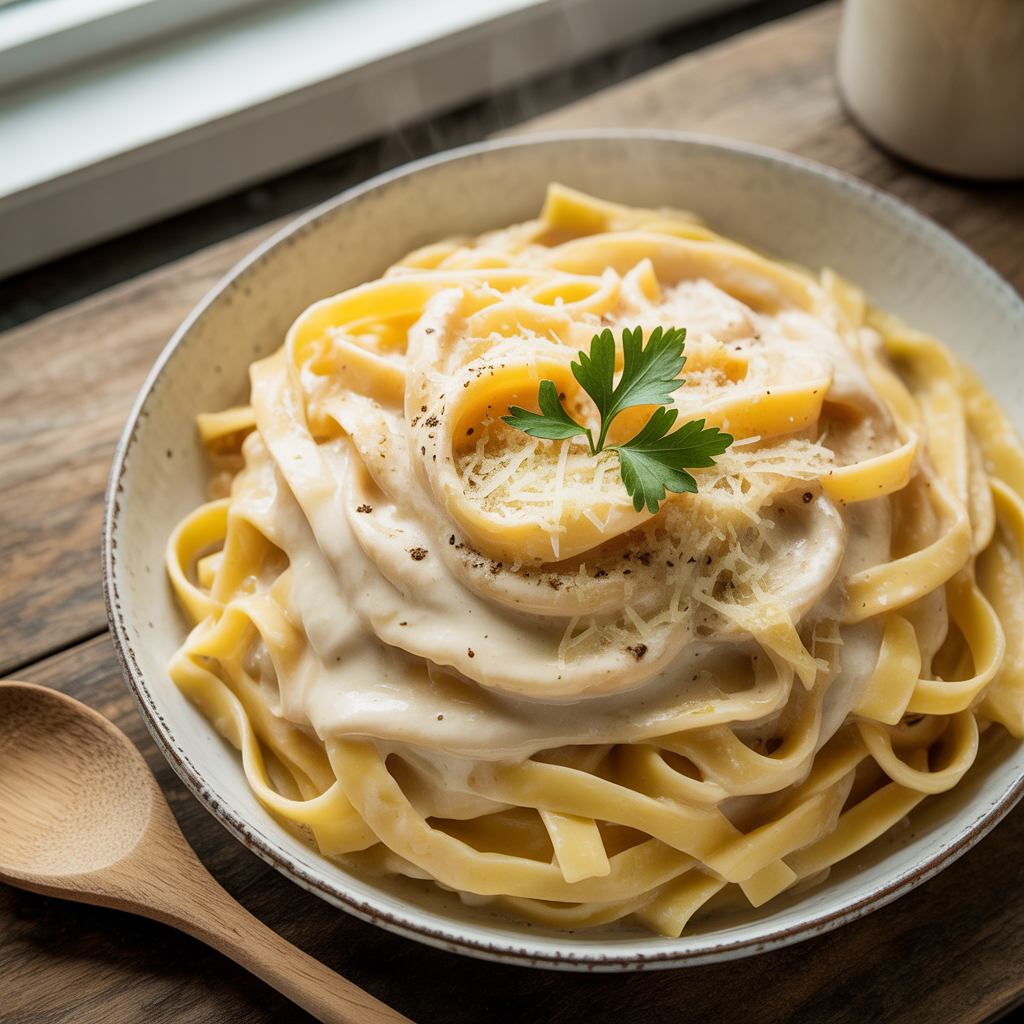
Alfredo sauce is one of the most beloved Italian-American pasta sauces, known for its rich, velvety texture and indulgent flavor. However, achieving that perfectly creamy and smooth consistency at home can be tricky. Many home cooks end up with a sauce that is too thin, too thick, or worse — grainy and broken. In this comprehensive guide, you will learn everything you need to know about how to make Alfredo sauce creamy and smooth every single time.
What Is Alfredo Sauce?
Traditional Alfredo sauce originates from Rome, Italy, and in its most classic form, it consists of just three ingredients: butter, Parmesan cheese, and pasta water. The American version has evolved to include heavy cream, making it even richer. The key to a great Alfredo sauce lies in the quality of ingredients and the technique used to combine them.
Why Does Alfredo Sauce Turn Out Grainy or Lumpy?
Before learning how to fix and prevent problems, it helps to understand why Alfredo sauce goes wrong in the first place:
- Too much heat: High temperatures cause the proteins in the cheese to seize up and clump together instead of melting smoothly.
- Wrong type of cheese: Pre-shredded cheese contains anti-caking agents like cellulose that prevent it from melting properly.
- Adding cold dairy: Cold cream or butter added to a hot pan can cause the sauce to break or separate.
- Skipping the pasta water: Starchy pasta water is essential for emulsification, helping bind the fat and liquid together.
- Overcooking: Leaving the sauce on heat for too long causes moisture to evaporate and the sauce to become thick and grainy.
Key Ingredients for a Creamy and Smooth Alfredo Sauce
Choosing the right ingredients is the foundation of a perfect Alfredo sauce.
1. Heavy Cream
Heavy cream (also called heavy whipping cream) has a high fat content of around 36–40%, which gives the sauce its luxurious, thick consistency. Do not substitute with half-and-half or milk — the sauce will be too thin and prone to breaking.
2. Freshly Grated Parmesan Cheese
This is arguably the most important tip: always use freshly grated Parmesan cheese, preferably Parmigiano-Reggiano. Freshly grated cheese melts seamlessly into the sauce without clumping. Pre-shredded cheese from a bag contains starches and coatings that will make your sauce grainy.
3. Real Butter
Use unsalted, high-quality butter. It adds richness and helps create a smooth emulsion with the cream and cheese. Allow the butter to come to room temperature before use when possible.
4. Garlic
While not in the original Roman recipe, garlic is a staple in American Alfredo sauce. Freshly minced garlic adds depth and aroma. Sauté it gently — never let it brown.
5. Pasta Water
Starchy pasta water is the secret weapon of Italian cooking. The starch acts as a natural emulsifier, helping the fat from the butter and cream bind with the cheese and water to create a silky, cohesive sauce.
6. Salt, Pepper, and Nutmeg
Season carefully with salt (Parmesan is already salty), freshly cracked black pepper, and a tiny pinch of nutmeg. Nutmeg is a traditional addition that enhances the creaminess of the sauce.
Step-by-Step Recipe: Creamy and Smooth Alfredo Sauce
Ingredients (Serves 4)
- 1/2 cup (1 stick) unsalted butter
- 3–4 cloves garlic, finely minced
- 1 1/2 cups heavy cream
- 2 cups freshly grated Parmigiano-Reggiano cheese
- 1/2 cup reserved pasta water
- Salt and freshly ground black pepper, to taste
- A pinch of freshly grated nutmeg
- Fresh parsley for garnish (optional)
Instructions
Step 1: Cook Your Pasta
Bring a large pot of salted water to a boil. Cook your fettuccine or pasta of choice according to package directions until al dente. Before draining, reserve at least 1 cup of pasta water. The starch in this water will be critical for your sauce.
Step 2: Grate Your Cheese
While the pasta is cooking, finely grate your Parmesan cheese using a microplane or the finest side of a box grater. The finer the grate, the more smoothly the cheese will melt into your sauce. Set it aside and let it come to room temperature.
Step 3: Sauté the Garlic in Butter
In a large, wide skillet or sauté pan, melt the butter over medium-low heat. Add the minced garlic and cook gently for about 1–2 minutes, stirring frequently. Do not let the garlic brown — you want it soft and fragrant, not bitter.
Step 4: Add the Heavy Cream
Pour in the heavy cream and stir to combine with the butter and garlic. Bring the mixture to a gentle simmer — do not boil. Let it simmer for 3–5 minutes, stirring occasionally, until the cream reduces slightly and starts to thicken.
Step 5: Remove from Heat Before Adding Cheese
This is the most critical step for a smooth Alfredo sauce. Remove the pan from the heat entirely before adding the Parmesan cheese. Adding cheese to a pan that is still on active heat is the most common reason sauces turn grainy. The residual heat in the cream mixture is sufficient to melt the cheese perfectly.
Step 6: Add the Cheese Gradually
Add the grated Parmesan to the cream in small handfuls, stirring vigorously with a wooden spoon or silicone spatula between each addition. Adding the cheese gradually allows it to melt evenly and incorporate fully before more is added, preventing clumping.
Step 7: Adjust Consistency with Pasta Water
After adding all the cheese, check the consistency of your sauce. If it seems too thick, add the reserved pasta water a few tablespoons at a time, stirring vigorously until you reach your desired consistency. The starch in the water will help maintain the emulsion and give the sauce a glossy, smooth finish.
Step 8: Season and Finish
Season with freshly cracked black pepper, a tiny pinch of nutmeg, and salt if needed (taste first — Parmesan is very salty). Return the pan to very low heat if needed to warm through.
Step 9: Toss with Pasta Immediately
Add the drained pasta directly into the sauce and toss to coat. The pasta will absorb some of the sauce, so work quickly. Serve immediately in warm bowls, garnished with extra Parmesan and fresh parsley if desired.
Pro Tips for the Creamiest Alfredo Sauce
Tip 1: Temperature Control Is Everything
Keep your heat low throughout the entire cooking process. Medium-low heat is ideal for the cream, and the cheese should always be added off the heat. High heat is the enemy of smooth Alfredo sauce.
Tip 2: Use Room Temperature Ingredients
Allow your butter, cream, and especially your cheese to come closer to room temperature before cooking. Cold cheese dropped into a hot liquid will shock and clump. Room temperature cheese melts far more smoothly.
Tip 3: Finely Grate Your Cheese
The texture of your grated cheese matters enormously. Use a microplane grater for the finest possible texture — almost powder-like. This cheese will melt almost instantly into the sauce without any lumps.
Tip 4: Don’t Skip the Pasta Water
Many recipes call for pasta water, and this is not optional if you want a truly smooth, restaurant-quality sauce. The starch is a natural emulsifier that helps keep the butter, cream, and cheese in a stable, creamy suspension.
Tip 5: Toss the Pasta in the Sauce, Don’t Pour Sauce on Pasta
Always add your pasta to the sauce pan, not the other way around. Tossing the pasta in the sauce over very low heat for 30–60 seconds helps the pasta absorb the sauce and creates a more cohesive, creamy final dish.
Tip 6: Serve Immediately
Alfredo sauce does not hold well. As it cools, it thickens significantly and can become gluey. Always serve it immediately after making it, in pre-warmed bowls to keep it as smooth as possible for longer.
Tip 7: Use a Wide Pan
A wide skillet or sauté pan provides more surface area, allowing the cream to reduce evenly and the sauce to come together more smoothly than it would in a narrow saucepan.
How to Fix a Broken or Separated Alfredo Sauce
Even experienced cooks occasionally end up with a sauce that has broken (separated into greasy and watery pools). Here is how to rescue it:
Method 1: Add Pasta Water
Remove the pan from heat. Add 2–3 tablespoons of hot, starchy pasta water and whisk vigorously. The starch often re-emulsifies the sauce and brings it back together.
Method 2: Add a Small Amount of Cold Cream
Adding 1–2 tablespoons of cold heavy cream while whisking rapidly off the heat can help re-emulsify a broken sauce. The cold temperature and additional fat can stabilize the emulsion.
Method 3: Blend It
As a last resort, transfer the sauce to a blender and blend briefly. This forces the ingredients back into an emulsion and can salvage an otherwise ruined sauce. Return to very low heat to warm through before serving.
How to Make Alfredo Sauce Thicker
If your sauce is too thin, try these methods:
- Simmer longer: Continue simmering the cream (before adding cheese) over low heat to reduce and thicken naturally.
- Add more cheese: Additional grated Parmesan will thicken the sauce while enriching the flavor.
- Cream cheese: A tablespoon or two of softened cream cheese can add body and creaminess without altering the flavor significantly.
- Cornstarch slurry: Mix 1 teaspoon of cornstarch with 1 tablespoon of cold water and stir into the simmering sauce. Use sparingly as this can change the texture slightly.
How to Make Alfredo Sauce Thinner
If your sauce is too thick:
- Add reserved pasta water a tablespoon at a time, stirring constantly.
- Add a small splash of warm heavy cream and stir to loosen.
- Never add plain water — it will dilute the flavor without adding the helpful starch from pasta water.
Variations for Extra Creaminess
Cream Cheese Alfredo
Adding 2–3 tablespoons of softened cream cheese to your sauce creates an extra thick, ultra-creamy texture. It also helps stabilize the emulsion, making the sauce more forgiving and less likely to break.
Egg Yolk Alfredo
Inspired by carbonara, whisking 1–2 egg yolks into the sauce (off the heat) adds richness and a beautiful golden color. Be very careful with heat when using egg yolks — too much heat will scramble them.
Mascarpone Alfredo
Replacing part of the heavy cream with mascarpone cheese creates an incredibly silky, luxurious sauce with a slightly sweet, milky flavor that pairs beautifully with pasta.
Roasted Garlic Alfredo
Instead of sautéed garlic, use a whole head of roasted garlic. The roasted cloves are soft and sweet — mash them into a paste and stir into the cream for a deeply flavored, aromatic variation.
Best Pasta to Serve with Alfredo Sauce
While fettuccine is the most iconic pairing, many pasta shapes work beautifully with Alfredo sauce:
- Fettuccine: The classic choice — wide, flat noodles cling to the creamy sauce perfectly.
- Tagliatelle: Similar to fettuccine and equally excellent.
- Pappardelle: Extra-wide ribbons for an ultra-indulgent experience.
- Linguine: A slightly thinner, round-edged noodle that pairs well with lighter Alfredo sauces.
- Rigatoni or Penne: Tube-shaped pastas that trap the sauce inside for a burst of creaminess in every bite.
Storing and Reheating Alfredo Sauce
Storing
Store leftover Alfredo sauce in an airtight container in the refrigerator for up to 3–4 days. Note that the sauce will thicken significantly when chilled due to the fat in the butter and cream solidifying.
Reheating Without Breaking
Reheating Alfredo sauce requires care. Follow these steps:
- Place the sauce in a saucepan over very low heat.
- Add 2–3 tablespoons of milk, cream, or pasta water to help loosen it.
- Stir gently and constantly until warmed through.
- Do not use a microwave at high power — heat in 30-second intervals, stirring between each, if using a microwave.
- Never reheat at high heat — this will cause the sauce to break and become greasy.
Can You Freeze Alfredo Sauce?
Technically yes, but it is not recommended. Cream-based sauces tend to separate when frozen and thawed. If you must freeze it, use an airtight container, freeze for up to 2 months, and thaw slowly in the refrigerator overnight. Reheat very gently, adding cream or pasta water to help re-emulsify.
Common Mistakes to Avoid
- Using pre-shredded cheese: Always grate your own fresh Parmesan.
- Boiling the cream: A vigorous boil can cause the cream to break down and the sauce to separate.
- Adding cheese to high heat: Always remove from heat before incorporating the cheese.
- Not saving pasta water: This simple step makes a huge difference in texture and consistency.
- Making it too far in advance: Alfredo sauce is best made and served immediately.
- Using low-fat substitutes: Low-fat milk or cream will not produce the same results and is far more prone to breaking.
Frequently Asked Questions
Why is my Alfredo sauce not creamy?
The most common reasons are using pre-shredded cheese, adding cheese over high heat, or not using enough heavy cream. Make sure to use freshly grated Parmesan, keep the heat low, and use full-fat heavy cream for best results.
How do I make Alfredo sauce without cream?
You can make a lighter Alfredo sauce using whole milk thickened with a butter-flour roux (béchamel base), or use cream cheese blended with milk for a creamy alternative. However, the texture will differ from a traditional cream-based sauce.
Can I use Parmesan from a can?
The powdered Parmesan from a green can is not recommended. It is highly processed and will not melt into the sauce properly, resulting in a grainy, pasty texture. Always use freshly grated Parmesan.
How do I keep Alfredo sauce creamy when serving?
Serve in warmed bowls and toss the pasta in the sauce just before plating. Have your guests ready to eat immediately — Alfredo sauce waits for no one.
Final Thoughts
Making a perfectly creamy and smooth Alfredo sauce at home is absolutely achievable once you understand the key principles: quality ingredients, low heat, freshly grated cheese, and proper technique. The most important rules to remember are to always grate your own Parmesan, never add cheese over high heat, and save your pasta water. Follow these guidelines and you will consistently produce a restaurant-quality Alfredo sauce that is silky, rich, and utterly delicious. With a little practice, this will become one of your most impressive and satisfying dishes to make at home.