
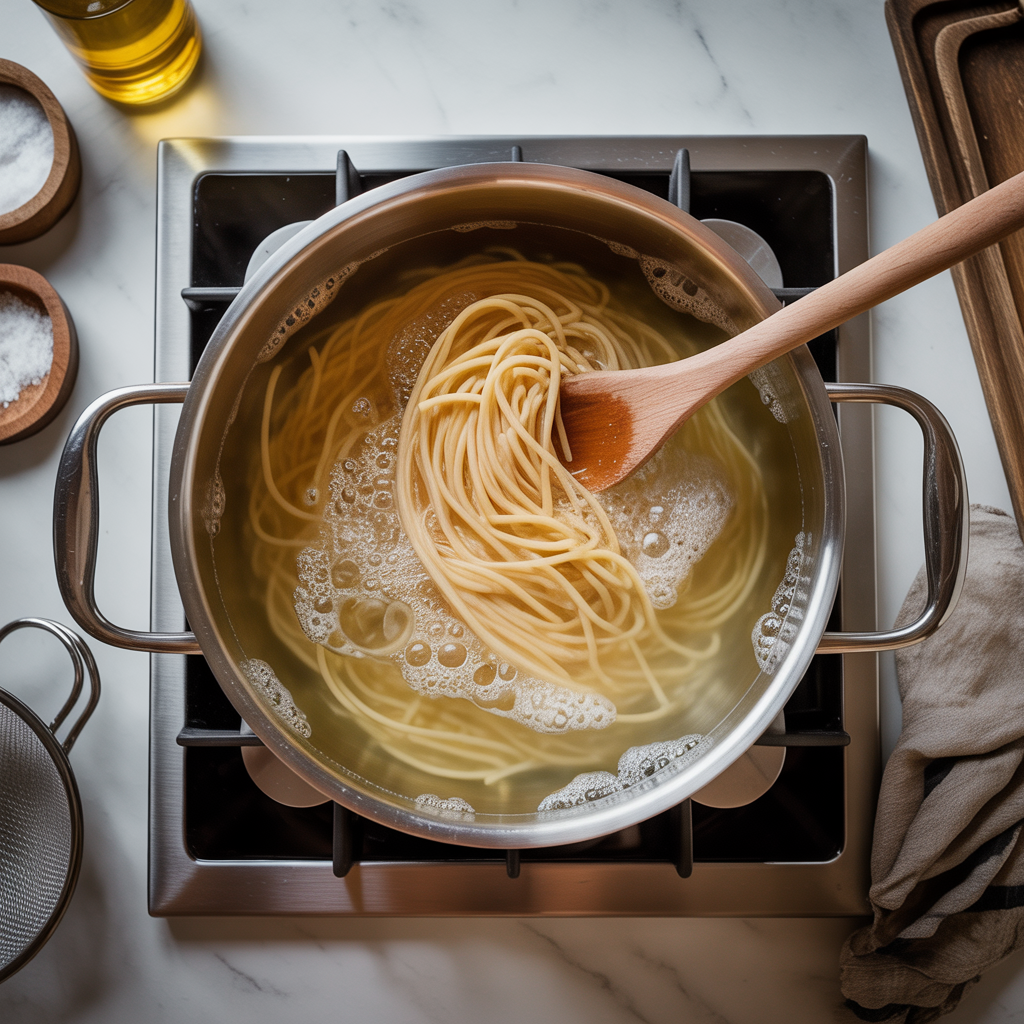
Cooking pasta seems simple, but getting it perfectly cooked every single time requires understanding a few key techniques. Whether you’re a beginner in the kitchen or a seasoned home cook, this comprehensive guide will walk you through everything you need to know — from choosing the right pasta to plating like a pro.
1. Choose the Right Pasta for Your Dish
Before you even boil water, it’s important to match your pasta shape to your sauce. Different pasta shapes are designed to hold different types of sauces:
- Long pasta (spaghetti, linguine, fettuccine): Best with olive oil-based, light tomato, or cream sauces.
- Short pasta (penne, rigatoni, ziti): Ideal for chunky meat sauces, baked dishes, or thick vegetable sauces.
- Small pasta (orzo, ditalini, farfalle): Great for soups, salads, or light broths.
- Stuffed pasta (ravioli, tortellini): Perfect with simple butter, sage, or light cream sauces that won’t overpower the filling.
Using the right shape ensures your pasta and sauce work together harmoniously instead of competing with each other.
2. Use a Large Pot with Plenty of Water
One of the most common mistakes home cooks make is using too small a pot. Pasta needs plenty of room to move freely while cooking. A general rule of thumb is to use:
- At least 4 to 6 quarts (about 4–6 liters) of water per pound (450g) of pasta.
- A large pot that allows the pasta to circulate without clumping together.
Using too little water causes the pasta to stick together and results in uneven cooking.
3. Salt the Water Generously
This step is non-negotiable. Salting your pasta water is the only opportunity you have to season the pasta itself from the inside out. Many professional chefs describe properly salted pasta water as tasting “like the sea.”
- Add 1 to 2 tablespoons of kosher salt (or about 1 teaspoon of table salt) per quart of water.
- Always add salt after the water has come to a full boil — adding it earlier can slow down the boiling process.
- Never add olive oil to the water. It coats the pasta and prevents the sauce from adhering properly.
4. Bring Water to a Rolling Boil Before Adding Pasta
Never add pasta to water that isn’t fully boiling. A rolling boil (where the water is aggressively bubbling) is essential because:
- It cooks the pasta quickly and evenly.
- It prevents the pasta from sitting in lukewarm water, which leads to a mushy, gummy texture.
- It keeps the pasta moving so it doesn’t stick to the bottom of the pot.
5. Stir the Pasta Immediately and Often
The first 60 to 90 seconds after you drop pasta into boiling water is the most critical time. During this period:
- Stir constantly to prevent sticking, especially with long pasta like spaghetti.
- After that, stir every 1–2 minutes throughout the cooking process.
- Do not cover the pot once the pasta is in the water — it can cause the water to boil over.
6. Follow Package Instructions — But Always Taste Test
Pasta packaging always includes a recommended cooking time, and this is a great starting point. However, the most reliable method is to taste the pasta for doneness as you go.
There are three stages of pasta doneness:
- Underdone (too firm, chalky center): Needs more cooking time.
- Al dente (firm but cooked through with a slight chew): The gold standard for most pasta dishes.
- Overcooked (mushy, soft, no texture): Unfortunately, there is no going back from this stage.
Start tasting your pasta 1–2 minutes before the package says it should be done. This gives you a buffer to catch it at the perfect al dente stage.
7. What Does “Al Dente” Actually Mean?
The term “al dente” is Italian for “to the tooth.” When you bite into perfectly cooked pasta, it should:
- Be tender on the outside.
- Offer a slight resistance or firmness at the very center.
- Not have a raw, chalky, or white line through the middle.
- Hold its shape when tossed with sauce.
Al dente pasta also has a lower glycemic index compared to overcooked pasta, meaning it’s digested more slowly and keeps you feeling full longer.
8. Reserve Some Pasta Water Before Draining
This is one of the most valuable pro tips in pasta cooking — save at least 1–2 cups of pasta cooking water before you drain the pasta. Here’s why it matters:
- Pasta water is full of starch and salt, making it an incredible natural sauce thickener.
- Adding a splash to your sauce helps it cling beautifully to the pasta.
- It prevents your pasta dish from becoming dry after you combine the sauce and pasta.
- It can be used to loosen thick sauces like carbonara or cacio e pepe to the perfect consistency.
Keep a ladle or measuring cup near the pot so you don’t forget before draining.
9. Drain the Pasta Properly
Draining pasta correctly is just as important as cooking it. Follow these guidelines:
- Use a colander placed in the sink to drain the pasta quickly.
- Do not rinse the pasta with cold water unless you are making a cold pasta salad. Rinsing washes away the surface starch that helps sauce adhere to the pasta.
- Drain the pasta while it is still slightly underdone if you plan to finish cooking it in the sauce — this is called “finishing in the pan.”
10. Finish Cooking Pasta in the Sauce
Professional Italian chefs almost always finish pasta in the sauce — and it makes a huge difference. Here’s how to do it:
- Drain the pasta about 1–2 minutes before it’s fully cooked (it should still be slightly underdone).
- Add the pasta directly into the pan with your warm sauce.
- Toss everything together over medium heat for 1–2 minutes.
- Add splashes of reserved pasta water as needed to loosen the sauce and create a silky, cohesive dish.
This technique allows the pasta to absorb the flavor of the sauce and creates that restaurant-quality finish at home.
11. Tips for Different Types of Pasta
Fresh Pasta
Fresh pasta (such as homemade tagliatelle or store-bought fresh linguine) cooks much faster than dried pasta — typically 2 to 4 minutes. Watch it carefully and taste frequently.
Whole Wheat and Gluten-Free Pasta
- Whole wheat pasta takes slightly longer to cook and has a nuttier, denser texture. It pairs well with hearty sauces like Bolognese or pesto.
- Gluten-free pasta (made from rice, chickpea, or lentil flour) can become mushy very quickly. Stick closely to package instructions and taste test frequently — it often has a very narrow window between undercooked and overcooked.
Stuffed Pasta
Ravioli and tortellini should be cooked gently at a gentle boil rather than a rolling boil to prevent them from bursting open. They’re done when they float to the surface, usually within 3–5 minutes.
12. Common Pasta Cooking Mistakes to Avoid
- Not using enough water: Leads to sticky, unevenly cooked pasta.
- Not salting the water: Results in bland pasta that no amount of sauce can save.
- Adding oil to the water: Prevents sauce from sticking to pasta.
- Overcooking the pasta: Once mushy, it cannot be fixed.
- Rinsing cooked pasta: Removes the starch needed for sauce adhesion.
- Not reserving pasta water: Misses out on a valuable sauce-thickening tool.
- Cooking pasta in advance without sauce: Pasta sticks together when left to sit dry. If you must cook ahead, toss it with a little olive oil.
13. How to Store and Reheat Leftover Pasta
Storing Cooked Pasta
- Store plain cooked pasta (without sauce) in an airtight container in the refrigerator for up to 3–5 days. Toss with a little olive oil to prevent sticking.
- Pasta with sauce should also be stored in an airtight container for up to 3–4 days.
Reheating Pasta
- On the stovetop: Add pasta and a splash of water or sauce to a pan over medium heat. Toss until warmed through.
- In the microwave: Place pasta in a microwave-safe bowl, add a small splash of water, cover loosely, and heat in 60-second intervals, stirring between each.
- In boiling water: For plain pasta without sauce, drop it into boiling water for 30–60 seconds to reheat quickly without drying it out.
14. Quick Reference: Perfect Pasta Cooking Checklist
- ✅ Use a large pot with at least 4–6 quarts of water per pound of pasta.
- ✅ Bring water to a full rolling boil before adding pasta.
- ✅ Salt the water generously (1–2 tablespoons of kosher salt per quart).
- ✅ Stir immediately after adding pasta and continue stirring throughout.
- ✅ Taste for doneness starting 1–2 minutes before the package time.
- ✅ Reserve 1–2 cups of pasta water before draining.
- ✅ Do not rinse pasta after draining.
- ✅ Finish pasta in the sauce for the best results.
Final Thoughts
Cooking pasta perfectly every time is all about understanding the fundamentals — using enough water, salting properly, cooking to al dente, and finishing in the sauce. Once you internalize these techniques, you’ll never have to eat sticky, bland, or overcooked pasta again.
Whether you’re making a quick weeknight spaghetti or an impressive dinner party dish, these tried-and-true methods will ensure your pasta turns out restaurant-quality every single time. Now grab your pot, salt that water, and get cooking!