
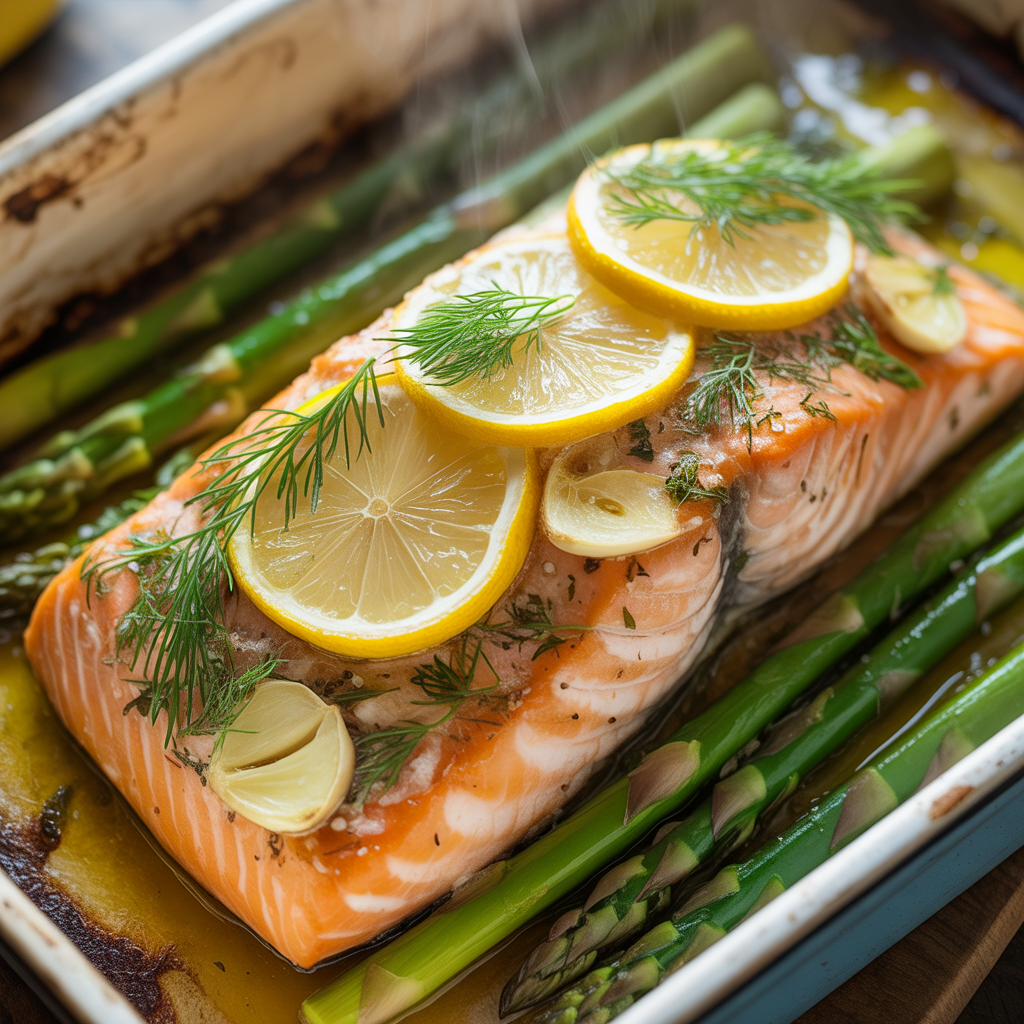
Baking salmon is one of the easiest and healthiest ways to prepare this beloved fish — but getting it to stay moist and tender rather than dry and chalky is where many home cooks struggle. Whether you’re a beginner or an experienced home chef, this comprehensive guide will walk you through everything you need to know about how to bake salmon so it stays moist, flavorful, and perfectly cooked every single time.
Why Does Baked Salmon Turn Out Dry?
Before diving into the techniques, it helps to understand why salmon dries out in the first place. Salmon, like most fish, has delicate proteins that tighten and expel moisture when exposed to high heat for too long. Overcooking is the number one culprit behind dry, rubbery salmon. Even just a couple of extra minutes in the oven can make a significant difference in texture and taste.
Other common reasons include:
- Baking at too high a temperature without protective moisture
- Not using any fat or marinade to seal in moisture
- Removing the skin before baking
- Using thin fillets that cook too quickly
- Not letting the salmon come to room temperature before baking
Choosing the Right Salmon for Baking
The type of salmon you choose plays a major role in how moist your final dish will be. Here are the most common varieties and how they perform in the oven:
- King (Chinook) Salmon: The richest and fattiest variety, making it the most forgiving to bake. It stays moist even if slightly overcooked.
- Sockeye Salmon: Deeply flavored and moderately fatty. Great for baking but requires a bit more attention to avoid drying out.
- Coho Salmon: Mild and medium-fat content. Works well when baked with a marinade or sauce.
- Atlantic Salmon (farmed): The most widely available and has a good fat content, making it a reliable choice for beginners.
- Pink Salmon: The leanest variety and most prone to drying out. Use extra oil or sauce when baking this type.
Pro Tip: Look for fillets that are at least 1 inch thick. Thicker fillets are more forgiving and less likely to overcook.
Essential Equipment You’ll Need
- Baking sheet or baking dish
- Aluminum foil or parchment paper
- Instant-read meat thermometer
- Pastry brush (for applying oils and marinades)
- Tongs or a wide spatula
The Best Temperature to Bake Salmon
Temperature is arguably the most important factor in keeping baked salmon moist. Here’s a breakdown of common baking temperatures and what they produce:
- 275°F (135°C) – Low and Slow: This gentle method produces incredibly silky, restaurant-quality salmon. It takes longer (about 25–30 minutes), but the result is extremely moist and tender.
- 325°F (163°C) – Low-Moderate: A good balance of time and texture. The salmon will be moist and flaky in about 20–25 minutes.
- 375°F (190°C) – Moderate: The most commonly used temperature. Produces nicely cooked salmon in 12–15 minutes depending on thickness.
- 400°F–425°F (204°C–218°C) – High Heat: Great for achieving a slight crust on top, but requires careful timing. Works best with thicker fillets and foil wrapping.
Recommendation: For consistently moist salmon, bake at 275°F to 325°F. The lower the temperature, the silkier the result.
How to Know When Salmon Is Done
The most reliable way to check doneness is with an instant-read thermometer. Here are the key internal temperature targets:
- 110°F–120°F (43°C–49°C): Very rare to medium-rare — silky and almost translucent in the center. Great if you enjoy sushi-grade salmon.
- 125°F–130°F (52°C–54°C): Medium — slightly translucent in the center, very moist. Most chefs recommend this range for the best texture.
- 140°F–145°F (60°C–63°C): Well-done — fully opaque, flaky, and safe per USDA standards. Can be slightly dry if exceeded.
Important: The USDA recommends an internal temperature of 145°F for food safety. However, many culinary experts suggest pulling the salmon from the oven at 125°F–130°F and letting it rest, as carryover cooking will bring it up a few more degrees.
You can also use the fork test: gently press the thickest part of the fillet with a fork. If it flakes easily but still appears slightly darker in the very center, it’s perfectly cooked.
Step-by-Step: How to Bake Moist Salmon
Step 1: Bring the Salmon to Room Temperature
Remove your salmon from the refrigerator about 15–20 minutes before baking. Cold salmon placed directly into a hot oven tends to cook unevenly, with the outside drying out before the center reaches the right temperature.
Step 2: Pat the Salmon Dry
Use paper towels to thoroughly pat the surface of the salmon dry. This removes excess moisture from the surface, which helps the seasonings and oils adhere better and promotes even cooking.
Step 3: Season Generously
Season both sides of the salmon with salt and pepper. Salt is especially important because it draws moisture toward the surface briefly before helping it reabsorb, creating juicier fish.
Step 4: Apply Fat or Marinade
Brush the salmon generously with olive oil, melted butter, or your chosen marinade. Fat acts as a barrier that locks in the salmon’s natural moisture during baking. See the marinade ideas section below for inspiration.
Step 5: Prepare Your Baking Vessel
Line a baking dish or sheet with aluminum foil or parchment paper. If you plan to bake the salmon in foil (a highly recommended method for moist salmon), place the fillet on a large sheet of foil, add any toppings or sauce, then fold the foil up and over the fish to create a sealed packet.
Step 6: Bake to the Right Temperature
Place the salmon in the preheated oven and bake according to the temperature guide above. Use a thermometer to check doneness rather than relying solely on time.
Step 7: Rest Before Serving
Once the salmon comes out of the oven, let it rest for 3–5 minutes before serving. This allows the juices to redistribute throughout the fish, resulting in a more moist and flavorful bite.
The Foil Method: The Secret to Supremely Moist Salmon
One of the most effective techniques for keeping baked salmon moist is wrapping it in aluminum foil before baking. This method essentially steams the salmon in its own juices, preventing any moisture from escaping into the oven.
How to Bake Salmon in Foil:
- Preheat your oven to 375°F (190°C).
- Lay a large sheet of aluminum foil on a baking sheet.
- Place the seasoned salmon fillet in the center of the foil, skin-side down.
- Add your desired toppings: sliced lemons, garlic, fresh herbs, a drizzle of olive oil, or a pat of butter.
- Fold the sides of the foil up and over the salmon, crimping the edges tightly to form a sealed packet.
- Bake for 14–18 minutes depending on the thickness of the fillet.
- Open the foil carefully — steam will escape — and check for doneness.
The result? Incredibly tender, moist salmon with all of its natural flavors intact.
The Parchment Paper Method (En Papillote)
Similar to the foil method, baking salmon “en papillote” (in parchment paper) is a classic French technique that produces wonderfully moist results. The parchment traps steam while allowing the fish to cook gently.
How to Bake Salmon En Papillote:
- Cut a large piece of parchment paper into a heart shape (or use a rectangle and fold it).
- Place the salmon and any vegetables or aromatics on one half of the parchment.
- Season and add a splash of white wine or lemon juice for extra steam.
- Fold the other half of the parchment over and crimp the edges tightly.
- Bake at 400°F (204°C) for 12–15 minutes.
The parchment puffs up beautifully in the oven and creates a built-in steaming environment that keeps the salmon perfectly moist.
Marinade and Seasoning Ideas for Moist Baked Salmon
A good marinade not only adds flavor but also contributes to moisture retention. Here are some crowd-pleasing options:
1. Lemon Butter Garlic Salmon
- 3 tablespoons melted butter
- 2 cloves garlic, minced
- Juice of 1 lemon
- 1 teaspoon fresh dill or parsley
- Salt and pepper to taste
2. Honey Soy Glazed Salmon
- 2 tablespoons soy sauce
- 1 tablespoon honey
- 1 teaspoon sesame oil
- 1 teaspoon fresh ginger, grated
- 1 clove garlic, minced
Marinate for 30 minutes before baking for deeper flavor penetration.
3. Dijon Herb Crust
- 2 tablespoons Dijon mustard
- 1 tablespoon olive oil
- 1 tablespoon chopped fresh thyme and rosemary
- 1 teaspoon lemon zest
- Salt and pepper to taste
Spread over the top of the salmon before baking for a flavorful crust that also helps seal in moisture.
4. Mediterranean Olive Oil and Herb
- 3 tablespoons good quality extra virgin olive oil
- 1 teaspoon dried oregano
- 1 teaspoon dried basil
- Juice of half a lemon
- Sliced kalamata olives and cherry tomatoes on top
Should You Bake Salmon With Skin On or Off?
Leaving the skin on during baking is strongly recommended for keeping salmon moist. Here’s why:
- The skin acts as a natural barrier between the flesh and the hot baking surface, preventing the bottom from drying out.
- It helps the fillet hold together as it cooks, preventing it from falling apart.
- Skin-on salmon is more forgiving — it’s harder to overcook because the skin absorbs some of the heat.
If you don’t want to eat the skin, simply slide it off with a spatula after baking. It will peel away easily once cooked.
Should You Cover Salmon When Baking?
Covering salmon while it bakes — whether with foil or a lid — is one of the best ways to trap steam and keep it moist. You can bake it covered for the majority of the cooking time and then uncover it for the last 2–3 minutes if you want a slightly more set surface.
If you prefer a slightly firmer, lightly caramelized exterior, bake the salmon uncovered but make sure to coat it well with oil or butter first to compensate for the moisture loss.
Common Mistakes to Avoid When Baking Salmon
- Overcooking: This is the single biggest mistake. Use a thermometer and pull the salmon early — it will continue to cook as it rests.
- Skipping the fat: Never bake salmon without some form of oil, butter, or sauce. Fat is essential for moisture retention.
- Not patting it dry first: Surface moisture steams the fish instead of letting it absorb seasonings properly.
- Baking straight from the fridge: Cold salmon cooks unevenly. Always let it come to room temperature first.
- Using too thin a fillet: Paper-thin fillets overcook within minutes. Choose thick center-cut pieces for best results.
- Forgetting to rest it: Just like steak, salmon benefits from a few minutes of rest after baking.
What to Serve With Baked Salmon
Moist baked salmon pairs beautifully with a wide range of side dishes. Here are some popular choices:
- Roasted asparagus with lemon
- Garlic mashed potatoes
- Steamed white or brown rice
- Quinoa salad with cucumber and tomatoes
- Sautéed spinach or kale
- Roasted Brussels sprouts
- Creamy pasta with herbs
- Simple green salad with vinaigrette
Storing and Reheating Leftover Baked Salmon
Leftover salmon can be tricky because reheating often makes it dry. Here are the best practices:
Storing:
Store leftover baked salmon in an airtight container in the refrigerator for up to 3 days.
Reheating Without Drying It Out:
- In the oven: Place salmon in a baking dish with a small splash of water or broth. Cover tightly with foil and heat at 275°F for about 10–15 minutes.
- In the microwave: Place on a microwave-safe plate, cover with a damp paper towel, and heat in 30-second intervals on 50% power.
- Cold: Consider eating leftover salmon cold. It’s delicious flaked over salads, grain bowls, or in sandwiches and doesn’t risk drying out from reheating.
Quick Reference: Baked Salmon Temperature and Time Chart
| Oven Temperature | Fillet Thickness | Approximate Cook Time | Result |
|---|---|---|---|
| 275°F (135°C) | 1 inch | 25–30 minutes | Silky, very moist |
| 325°F (163°C) | 1 inch | 20–25 minutes | Moist and tender |
| 375°F (190°C) | 1 inch | 12–15 minutes | Flaky and moist |
| 400°F (204°C) | 1 inch | 10–12 minutes | Slightly firmer, light crust |
| 425°F (218°C) | 1 inch | 8–10 minutes | Firm with caramelized surface |
Frequently Asked Questions
How long should I bake salmon at 400°F?
At 400°F, a 1-inch thick salmon fillet typically takes 10–12 minutes. Always verify with a thermometer, aiming for an internal temperature of 125°F–145°F depending on your preference.
Can I bake salmon from frozen?
Yes, you can bake salmon from frozen, but it will take about 50% longer than fresh or thawed salmon. Rinse the frozen fillets under cold water, pat dry, season, and bake at 375°F for about 20–25 minutes. For the best moisture retention, wrap in foil when baking from frozen.
Why is my baked salmon white and not pink?
The white substance that appears on salmon when baking is called albumin — a protein that gets squeezed out of the fish as it cooks. More albumin appears when the salmon is overcooked or cooked at too high a temperature. To minimize it, bake at a lower temperature and avoid overcooking.
Should I flip salmon when baking?
Generally, no. Baking salmon skin-side down without flipping is the most common and recommended method. Flipping risks breaking the delicate flesh. If you do want to flip it, do so gently with a wide spatula toward the end of cooking.
What is the white stuff coming out of my salmon?
That’s albumin, a protein naturally found in salmon. It’s completely safe to eat. To reduce it, bake at lower temperatures (275–325°F) and remove the salmon slightly earlier than you think is necessary.
Final Tips for the Moistest Baked Salmon Every Time
- Buy quality salmon: Fresh, high-quality fish will always taste better and be more forgiving in the oven.
- Invest in a thermometer: It takes the guesswork out of cooking and ensures perfect results every time.
- Don’t skip the fat: Oil, butter, or a sauce is non-negotiable for moisture.
- Use the foil or parchment method: These methods guarantee the moistest results with the least effort.
- Go low and slow when in doubt: Lower temperatures are more forgiving and produce silkier results.
- Let it rest: Even 3–4 minutes of resting makes a noticeable difference.
- Don’t overcook: When in doubt, undercook slightly — the fish will continue cooking off the heat.
With these techniques, tips, and recipes at your disposal, you’ll never have to suffer through dry, overcooked salmon again. Whether you opt for the low-and-slow method, the foil packet technique, or simply a well-oiled fillet at 375°F, you now have all the tools you need to bake salmon perfectly moist every single time. Happy cooking!