
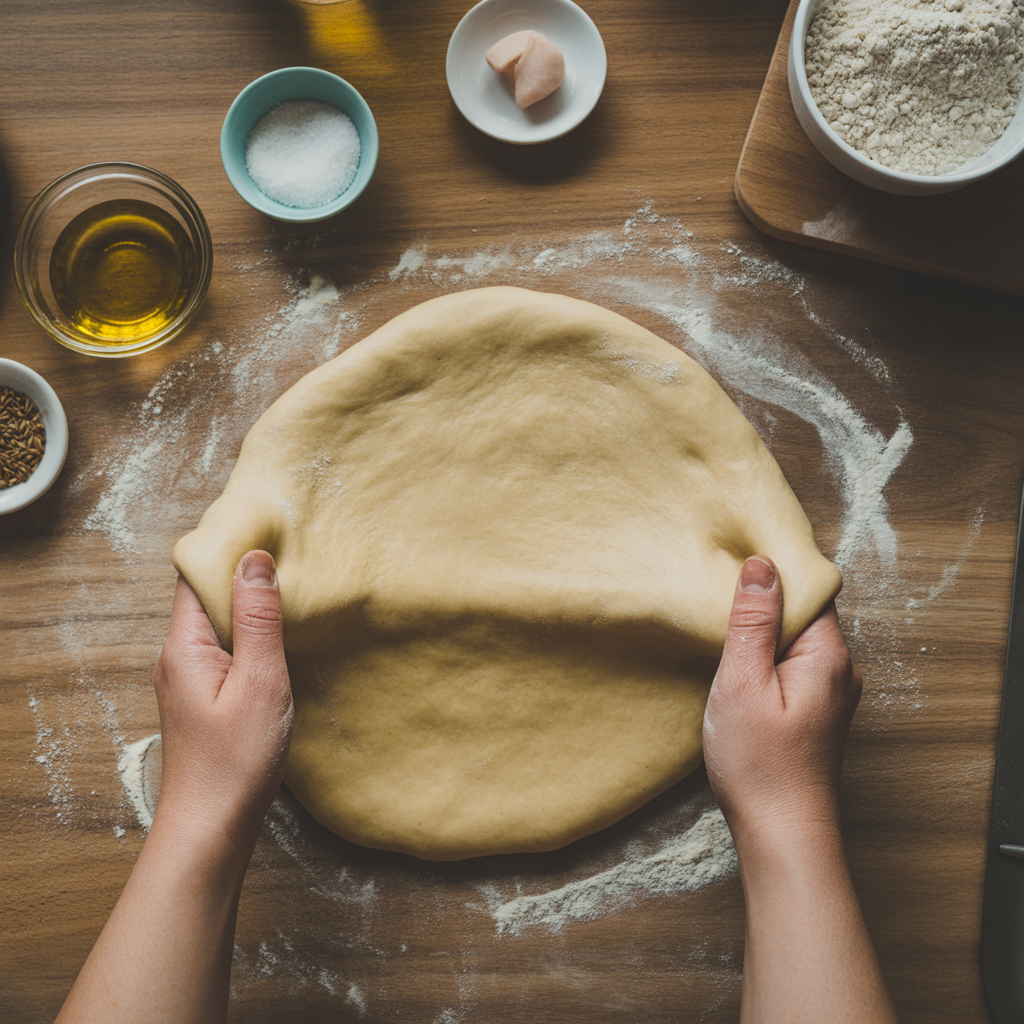
There’s nothing quite like homemade pizza dough. It’s soft, chewy, and incredibly satisfying to make from scratch. Whether you’re a beginner or an experienced home cook, this foolproof recipe will give you perfect pizza dough every single time. Say goodbye to store-bought dough and hello to the best homemade pizza of your life.
Why Make Pizza Dough From Scratch?
Making pizza dough at home might seem intimidating, but it’s actually one of the simplest bread doughs you can prepare. Here’s why it’s worth the effort:
- Better flavor: Homemade dough has a depth of flavor that store-bought versions simply can’t match.
- No preservatives: You control every ingredient that goes into your dough.
- Customizable texture: Adjust the recipe to make it thicker, thinner, crispier, or chewier based on your preferences.
- Cost-effective: A batch of homemade dough costs a fraction of what you’d pay for premade options.
- Fun and rewarding: Kneading dough is a therapeutic and enjoyable kitchen experience.
Ingredients You’ll Need
This recipe makes enough dough for two 12-inch pizzas or one large sheet pan pizza. Here’s what you need:
- 2 ¼ teaspoons (1 packet / 7g) active dry yeast or instant yeast
- 1 teaspoon granulated sugar
- 1 ½ cups (360ml) warm water (around 105–110°F / 40–43°C)
- 3 ½ cups (440g) all-purpose flour or bread flour, plus more for kneading
- 2 tablespoons olive oil
- 1 ½ teaspoons salt
Ingredient Notes & Substitutions
- Flour: Bread flour produces a chewier crust with more structure due to its higher protein content. All-purpose flour gives a softer, more tender result. Either works beautifully.
- Yeast: Both active dry and instant yeast work in this recipe. If using active dry yeast, you’ll need to proof it first (explained below). Instant yeast can be mixed directly into the flour.
- Olive oil: Adds richness and helps create a golden, crispy crust. You can substitute with vegetable oil if needed.
- Water temperature: This is crucial. Too hot (above 120°F) will kill the yeast; too cold (below 100°F) won’t activate it properly. Aim for comfortably warm — like bathwater.
Equipment You’ll Need
- Large mixing bowl
- Measuring cups and spoons
- Kitchen scale (recommended for accuracy)
- Stand mixer with dough hook (optional, but helpful)
- Plastic wrap or clean kitchen towel
- Pizza stone, pizza pan, or baking sheet
- Rolling pin or your hands
Step-by-Step Instructions
Step 1: Activate the Yeast
In a small bowl or measuring cup, combine the warm water, sugar, and yeast. Stir gently and let it sit for 5–10 minutes. The mixture should become foamy and bubbly, which tells you the yeast is alive and active.
If the mixture doesn’t foam after 10 minutes, your yeast may be expired or your water may have been too hot or too cold. Start over with fresh yeast.
Note: If you’re using instant yeast, you can skip this step and mix the yeast directly with the dry ingredients. Simply add the warm water when instructed.
Step 2: Mix the Dough
In a large mixing bowl, whisk together the flour and salt. Make a well in the center and pour in the activated yeast mixture along with the olive oil.
Stir with a wooden spoon or rubber spatula until a shaggy dough begins to form. The dough will look rough and uneven at this stage — that’s completely normal.
Step 3: Knead the Dough
Turn the dough out onto a lightly floured surface and knead for 8–10 minutes by hand. If using a stand mixer with a dough hook, knead on medium speed for 5–7 minutes.
You’re looking for dough that is:
- Smooth and elastic
- Slightly tacky but not sticky
- Springs back slowly when you poke it with your finger
If the dough sticks to your hands, add flour one tablespoon at a time. Avoid adding too much flour, as this will make the dough stiff and dense.
Step 4: First Rise (Bulk Fermentation)
Shape the kneaded dough into a smooth ball and place it in a lightly oiled bowl. Turn the dough to coat all sides with oil. Cover the bowl tightly with plastic wrap or a clean, damp kitchen towel.
Let the dough rise in a warm, draft-free spot for 1 to 1.5 hours, or until it has doubled in size.
How to Create a Warm Environment for Rising:
- Place the bowl on top of the refrigerator (it stays warm up there)
- Turn your oven on the lowest setting for a few minutes, turn it off, then place the dough inside
- Set the bowl near (not on) a warm stovetop
- Use the “proof” setting on your oven if it has one
Step 5: Punch Down and Divide
Once the dough has doubled, gently punch it down to release the trapped gas. This also helps redistribute the yeast.
Transfer the dough to a lightly floured surface and divide it into two equal portions if making two pizzas, or keep it whole for one large pizza.
Step 6: Second Rise (Optional but Recommended)
Shape each portion into a smooth ball, cover with a clean towel, and let them rest for an additional 15–30 minutes. This second rest relaxes the gluten, making the dough much easier to stretch and shape without it springing back.
Step 7: Shape the Pizza Dough
On a lightly floured surface, use your hands or a rolling pin to stretch and shape the dough into your desired size and thickness.
Hand-Stretching Method (Recommended for Authentic Pizza):
- Start by pressing the dough flat with your fingertips, leaving a slightly thicker border for the crust.
- Pick the dough up and drape it over your fists.
- Gently stretch it by moving your fists apart while rotating the dough in a circular motion.
- Continue until you reach your desired size (about 12 inches for a standard pizza).
Don’t worry if your pizza isn’t perfectly round — rustic, irregular shapes have their own charm!
Step 8: Add Toppings and Bake
Transfer the shaped dough to a parchment-lined baking sheet, oiled pizza pan, or a preheated pizza stone. Add your sauce, cheese, and toppings of choice.
Bake at 475°F (245°C) for 10–15 minutes, or until the crust is golden brown and the cheese is bubbly and slightly charred.
Tips for the Best Homemade Pizza Dough
Use a Pizza Stone for a Crispy Crust
A pizza stone absorbs moisture and distributes heat evenly, resulting in a beautifully crispy bottom crust. Preheat the stone in the oven for at least 30 minutes before baking.
Don’t Overload with Toppings
Too many toppings can weigh down the dough and prevent it from cooking properly. Less is more when it comes to pizza — use a light hand with the sauce and keep toppings to 2–3 options.
Let the Dough Come to Room Temperature Before Shaping
Cold dough is difficult to work with and will spring back when you try to stretch it. Always let refrigerated dough sit at room temperature for at least 30 minutes before shaping.
Brush the Crust with Olive Oil
Before baking, brush the exposed crust (the edges) with olive oil. This adds flavor and helps the crust achieve a beautiful golden-brown color.
Pre-Bake the Crust for Extra Crispiness
If you prefer a very crispy crust, partially bake the shaped dough for 5 minutes before adding toppings. This prevents a soggy bottom, especially if you’re using watery toppings like fresh tomatoes or mushrooms.
How to Make Pizza Dough Ahead of Time
One of the best things about homemade pizza dough is that it can be made in advance, saving you time on busy weeknights.
Refrigerator Method (Cold Fermentation)
After kneading, place the dough in an oiled bowl, cover tightly with plastic wrap, and refrigerate for up to 72 hours. Cold fermentation actually improves the flavor significantly, developing a more complex, slightly tangy taste similar to pizzeria-style dough. Simply remove the dough from the refrigerator 30–60 minutes before using.
Freezer Method
Pizza dough freezes exceptionally well. After the first rise, punch the dough down, divide it into individual portions, and wrap each tightly in plastic wrap. Place in a zip-lock freezer bag and freeze for up to 3 months.
To use frozen dough, thaw it overnight in the refrigerator, then let it come to room temperature for 30–60 minutes before shaping.
Flavor Variations to Try
Once you’ve mastered the basic recipe, experiment with these delicious variations:
- Garlic Herb Dough: Add 1 teaspoon garlic powder, 1 teaspoon dried oregano, and 1 teaspoon dried basil to the flour.
- Whole Wheat Dough: Replace up to half of the all-purpose flour with whole wheat flour for a nuttier, heartier crust.
- Honey Dough: Replace the sugar with honey for a slightly sweeter flavor and a softer texture.
- Sourdough Pizza Dough: Replace the commercial yeast with ½ cup of active sourdough starter for a tangy, artisan-style crust.
- Gluten-Free Option: Use a 1:1 gluten-free flour blend formulated for bread baking. Note that the texture will be different but still delicious.
Troubleshooting Common Pizza Dough Problems
My dough isn’t rising
This usually means your yeast is dead or inactive. Check the expiration date on your yeast and make sure your water wasn’t too hot or too cold. Also ensure your rising environment is warm enough — dough needs temperatures between 75–85°F (24–29°C) to rise properly.
My dough is too sticky
Add flour one tablespoon at a time while kneading until the dough is manageable. Be patient and avoid adding too much at once, as it can make the dough tough.
My dough keeps springing back when I stretch it
This means the gluten is too tight. Cover the dough and let it rest for 10–15 more minutes, then try again. The gluten will relax and the dough will become much more pliable.
My crust is too tough
You likely added too much flour or over-kneaded the dough. Measure your flour carefully (or use a kitchen scale) and be careful not to knead beyond the recommended time.
My crust is soggy in the middle
This can happen if you use too much sauce, have overly wet toppings, or your oven isn’t hot enough. Make sure your oven is fully preheated, use sauce sparingly, and consider par-baking the crust for a few minutes before adding toppings.
Serving Suggestions and Pizza Ideas
Now that you have your perfect dough, here are some great pizza ideas to get you inspired:
- Classic Margherita: Tomato sauce, fresh mozzarella, and fresh basil leaves.
- Pepperoni Pizza: Tomato sauce, shredded mozzarella, and generous pepperoni slices.
- BBQ Chicken Pizza: BBQ sauce, grilled chicken, red onion, and smoked gouda.
- Veggie Delight: Olive oil base, spinach, bell peppers, mushrooms, olives, and feta cheese.
- White Pizza: Garlic olive oil, ricotta, mozzarella, and fresh herbs.
- Breakfast Pizza: Tomato sauce or cream cheese, scrambled eggs, bacon, and cheddar.
Nutritional Information (Per Serving)
Based on 8 slices from one 12-inch pizza (dough only, without toppings):
- Calories: ~180 kcal
- Carbohydrates: 33g
- Protein: 5g
- Fat: 3g
- Fiber: 1g
- Sodium: 220mg
Nutritional values are estimates and will vary depending on specific ingredients used.
Frequently Asked Questions
Can I make this pizza dough without a stand mixer?
Absolutely! This dough is very easy to make by hand. Simply knead it on a floured surface for 8–10 minutes. It’s actually a great workout and many bakers prefer the feel of hand-kneaded dough.
How thick should pizza dough be?
For a thin-crust pizza, roll or stretch the dough to about ¼ inch thick. For a thicker, more bread-like crust (Sicilian style), aim for ½ to ¾ inch. The choice is entirely up to your personal preference.
Can I use this dough for calzones or stromboli?
Yes! This dough is versatile and works perfectly for calzones, stromboli, breadsticks, and even focaccia. Simply adjust the shaping and filling accordingly.
Can I double the recipe?
Definitely. This recipe doubles (and even triples) easily. Simply multiply all ingredients proportionally. When freezing extra portions, wrap each one individually.
Why does my pizza dough taste bland?
Make sure you’re using the right amount of salt. Salt is essential for flavor. You can also allow the dough to undergo a long, cold fermentation in the refrigerator (24–72 hours) to develop more complex flavors.
Final Thoughts
Homemade pizza dough is one of those kitchen skills that will genuinely transform your cooking. Once you experience the difference between fresh, hand-crafted dough and store-bought alternatives, there’s simply no going back. This recipe is reliable, flexible, and produces consistently soft, chewy, and delicious results.
Whether you’re hosting a pizza night with friends, making a fun weekend activity with the kids, or simply craving a delicious homemade meal, this recipe has you covered. Make a big batch, freeze some for later, and enjoy the best pizza you’ve ever made — right in your own kitchen.
Happy baking, and enjoy every slice! 🍕