
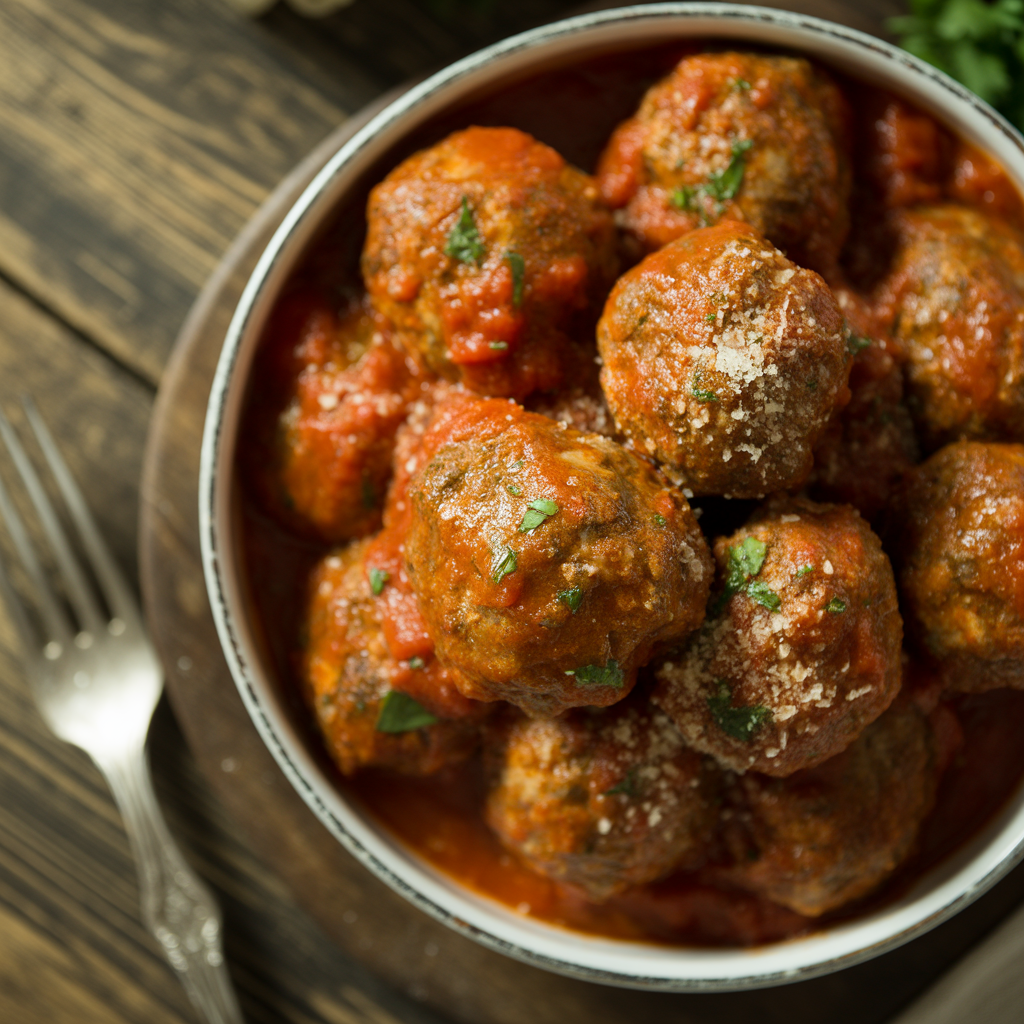
If you’ve ever bitten into a dry, dense, or rubbery meatball, you know how disappointing it can be. The good news? Making meatballs that are juicy, tender, and incredibly easy is completely achievable — even for beginner cooks. In this guide, we’ll walk you through every step, tip, and trick you need to create the perfect meatball every single time.
Why Do Meatballs Turn Out Dry or Tough?
Before we dive into the recipe, it helps to understand what goes wrong. Meatballs become dry or tough for a few common reasons:
- Using meat that is too lean (not enough fat)
- Overmixing the meat mixture
- Skipping the binder (eggs and breadcrumbs)
- Overcooking them
- Not adding enough moisture to the mix
Once you understand these pitfalls, fixing them is simple. Let’s get started.
Ingredients for Juicy and Tender Meatballs
Here’s what you’ll need to make approximately 24 medium-sized meatballs:
The Meat
- 1 lb (450g) ground beef (80/20 fat ratio is ideal)
- ½ lb (225g) ground pork (optional but highly recommended for juiciness)
The Binders and Moisture
- ½ cup breadcrumbs (plain or Italian-seasoned)
- ¼ cup whole milk
- 2 large eggs
The Flavor Builders
- 3 cloves garlic, finely minced
- ¼ cup freshly grated Parmesan cheese
- 2 tablespoons fresh parsley, finely chopped (or 1 tsp dried)
- 1 teaspoon salt
- ½ teaspoon black pepper
- ½ teaspoon onion powder
- ½ teaspoon Italian seasoning (optional)
- 1 tablespoon Worcestershire sauce
Step-by-Step Instructions
Step 1: Make the Panade (The Secret to Tenderness)
The panade is a mixture of breadcrumbs and milk that is the single most important trick for keeping meatballs moist. In a large mixing bowl, combine the breadcrumbs and milk. Stir them together and let them sit for 5 minutes until the breadcrumbs have fully absorbed the milk and formed a soft, paste-like mixture.
This technique coats the protein strands in the meat so they can’t squeeze together too tightly during cooking — the result is an incredibly tender meatball.
Step 2: Add the Remaining Ingredients
To the bowl with your panade, add:
- The eggs
- Minced garlic
- Parmesan cheese
- Fresh parsley
- Worcestershire sauce
- All the dry seasonings (salt, pepper, onion powder, Italian seasoning)
Mix everything together before adding the meat. This ensures the seasonings are evenly distributed without you having to over-handle the meat.
Step 3: Add the Meat — and Be Gentle
Add your ground beef (and ground pork if using) to the bowl. Using your hands or a fork, mix everything together just until combined. Do not overmix! Overmixing activates the proteins in the meat too much, which is what leads to tough, dense meatballs.
Pro tip: Wet your hands lightly before mixing and rolling — this prevents sticking and keeps things moving quickly.
Step 4: Chill the Mixture (Optional but Helpful)
For best results, cover the bowl with plastic wrap and refrigerate the meat mixture for 15–30 minutes. This helps the meatballs hold their shape better during cooking and allows the flavors to meld together. If you’re short on time, you can skip this step.
Step 5: Roll the Meatballs
Using a cookie scoop or tablespoon, portion out even amounts of the meat mixture. Roll each portion gently between your palms into a smooth ball. Aim for about 1.5 inches in diameter for standard-sized meatballs.
Place the rolled meatballs on a lined baking sheet or plate. Try to keep them all a consistent size so they cook evenly.
Step 6: Choose Your Cooking Method
There are three main ways to cook meatballs, each with its own benefits:
Method 1: Baking (Easiest and Healthiest)
Preheat your oven to 400°F (200°C). Place the meatballs on a rimmed baking sheet lined with parchment paper or lightly greased. Bake for 18–22 minutes, or until golden brown and cooked through (internal temperature of 165°F / 74°C).
Why bake? Baking is hands-off, allows all the meatballs to cook at the same time, and results in a slightly crisp exterior with a juicy interior.
Method 2: Pan-Frying (Best Sear and Flavor)
Heat 2 tablespoons of olive oil in a large skillet over medium-high heat. Add meatballs in a single layer — don’t overcrowd the pan. Cook for 2–3 minutes per side, turning until browned all around. Then reduce heat, cover, and cook for another 5–7 minutes until cooked through.
Why pan-fry? Pan-frying creates a beautiful, caramelized crust that adds incredible depth of flavor.
Method 3: Simmering in Sauce (Juiciest Result)
Gently drop the raw or pre-browned meatballs directly into a pot of simmering tomato sauce. Cook on low heat for 25–30 minutes. The meatballs absorb the sauce and become incredibly juicy and flavorful.
Why simmer in sauce? This is the classic Italian-American method and produces the most tender, flavor-packed meatballs of all.
Tips for Making Meatballs Even Juicier
- Use a mix of meats: A blend of beef and pork (or beef, pork, and veal) creates a more complex flavor and juicier texture than using only beef.
- Don’t skip the fat: Choose ground beef with at least 20% fat. Lean meat = dry meatballs.
- Use fresh Parmesan: Pre-grated Parmesan from a can is dry and lacks flavor. Freshly grated Parmesan adds moisture and richness.
- Add a splash of cream: Replace milk with heavy cream in the panade for an even more luxurious texture.
- Don’t skip the Worcestershire sauce: It adds umami depth that makes meatballs taste “meaty” and rich.
- Use a meat thermometer: Cook to exactly 165°F (74°C) — not more. Overcooking is the fastest way to dry out meatballs.
- Rest before serving: Let your meatballs rest for 5 minutes after cooking so the juices redistribute inside.
How to Serve Meatballs
Once your meatballs are cooked, the world is your oyster. Here are some delicious ways to serve them:
- Classic spaghetti and meatballs with marinara sauce
- Meatball subs with melted provolone on a hoagie roll
- Swedish meatballs with a creamy gravy sauce over egg noodles
- Appetizer meatballs served with toothpicks and a dipping sauce
- Meatball soup added to minestrone or Italian wedding soup
- Baked meatball casserole topped with mozzarella cheese
How to Store and Freeze Meatballs
One of the best things about meatballs is how well they store. Make a big batch and you’ll have easy meals ready throughout the week.
Refrigerator Storage
Store cooked meatballs in an airtight container in the refrigerator for up to 4 days. Reheat in a skillet with a splash of sauce or water, or microwave for 1–2 minutes.
Freezer Storage
For best results, freeze meatballs before saucing them:
- Place cooked meatballs on a baking sheet in a single layer.
- Freeze for 1–2 hours until solid.
- Transfer to a zip-top freezer bag and freeze for up to 3 months.
- Thaw in the refrigerator overnight or reheat directly from frozen in a simmering sauce.
Common Meatball Mistakes to Avoid
| Mistake | Why It’s a Problem | The Fix |
|---|---|---|
| Using only lean meat | Not enough fat = dry, crumbly meatballs | Use 80/20 beef or add ground pork |
| Skipping the panade | Nothing to hold moisture inside the meatball | Always soak breadcrumbs in milk first |
| Overmixing the meat | Activates proteins, creating a tough texture | Mix just until combined, then stop |
| Making them too large | Outside burns before inside cooks through | Keep meatballs 1.5 inches in diameter |
| Cooking on too high heat | Outside burns, inside stays raw or dry | Use medium or medium-high heat |
| Not seasoning enough | Bland, flat flavor | Season generously and taste the mixture |
Frequently Asked Questions
Can I make meatballs without eggs?
Yes! You can substitute eggs with a flax egg (1 tbsp ground flaxseed + 3 tbsp water), a few tablespoons of ricotta cheese, or even a little extra milk in the panade. Eggs mainly act as a binder, so any sticky substitute will work.
Can I use turkey or chicken instead of beef?
Absolutely. Ground turkey or chicken meatballs are a lighter option. However, since poultry is leaner, you may need to add a bit more moisture — try adding 2 tablespoons of olive oil to the mixture or a dollop of ricotta cheese to keep them from drying out.
Why do my meatballs fall apart?
Meatballs that fall apart usually need more binder. Make sure you’re using both eggs and a soaked breadcrumb panade. Also, avoid skipping the chilling step — cold meatballs hold their shape much better during cooking.
Should I cook meatballs before putting them in sauce?
It depends on your preference. Pre-browning meatballs adds a lot of flavor through caramelization. However, you can also add raw meatballs directly to sauce — they will still cook through safely and absorb wonderful flavor from the sauce as they simmer.
How do I know when meatballs are done?
The safest way is to use an instant-read meat thermometer. Meatballs are fully cooked when the internal temperature reaches 165°F (74°C). Visually, they should be browned on the outside with no pink in the center when cut open.
Quick Reference: Perfect Meatball Recipe Summary
- Soak ½ cup breadcrumbs in ¼ cup milk for 5 minutes.
- Mix in eggs, garlic, Parmesan, parsley, Worcestershire, and seasonings.
- Add ground meat and mix just until combined.
- Chill for 15–30 minutes (optional).
- Roll into 1.5-inch balls.
- Bake at 400°F for 18–22 minutes, or pan-fry, or simmer in sauce.
- Rest for 5 minutes, then serve and enjoy!
With these tips and techniques, you now have everything you need to make meatballs that are perfectly juicy on the inside, flavorful throughout, and easy enough to make any night of the week. Whether you toss them with pasta, pile them onto a sub roll, or serve them as an appetizer at your next party — these meatballs are sure to become a staple in your kitchen.