
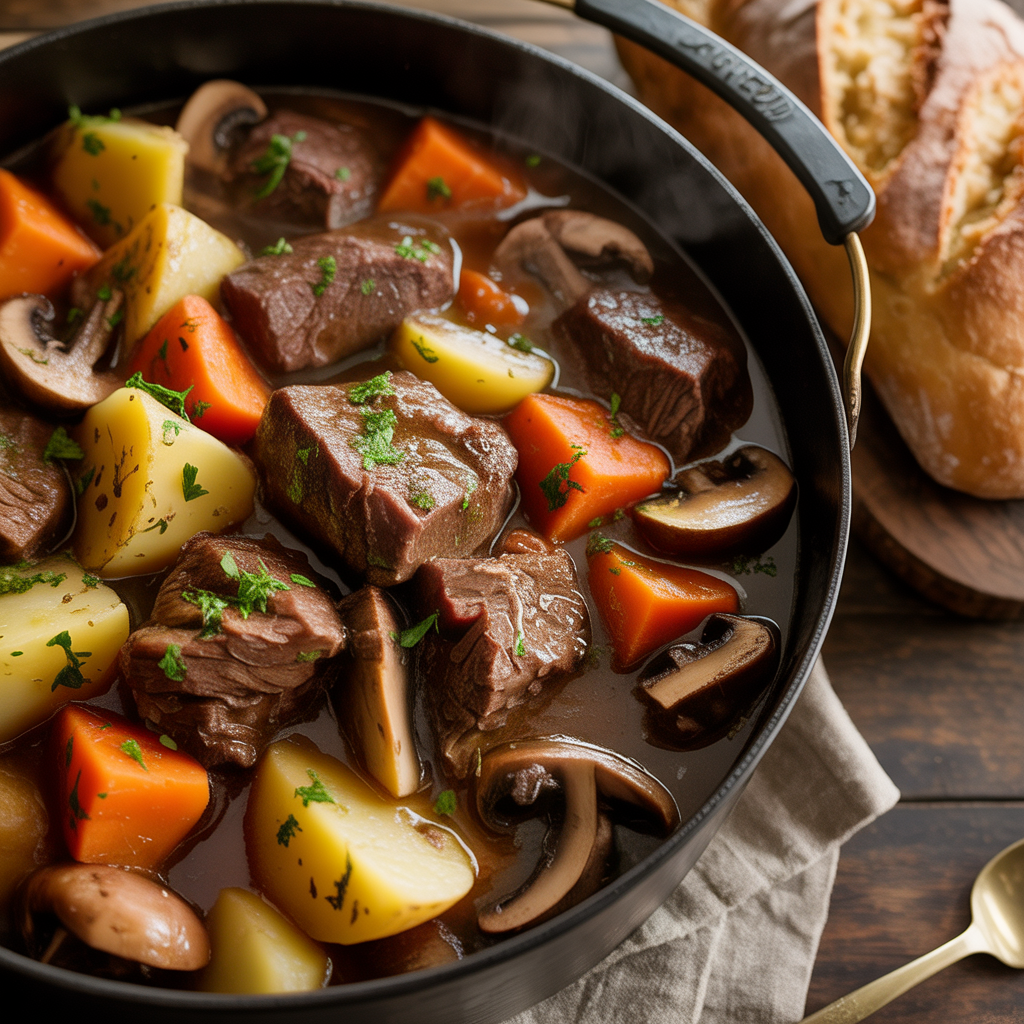
There’s nothing quite like a bowl of tender, rich beef stew on a cold day. The kind where the meat practically melts in your mouth, the vegetables are perfectly cooked, and the broth is deep, dark, and full of flavor. But achieving that level of perfection takes more than just throwing ingredients into a pot. In this guide, you’ll learn everything you need to know about making beef stew that is consistently tender and incredibly rich — from choosing the right cut of beef to mastering the slow-cooking process.
Why Does Beef Stew Sometimes Turn Out Tough or Bland?
Before diving into the techniques, it helps to understand the most common mistakes people make when cooking beef stew:
- Using the wrong cut of beef
- Not browning the meat properly
- Skipping the deglazing step
- Cooking at too high a temperature
- Not cooking it long enough
- Adding vegetables too early
- Under-seasoning the broth
Avoid these pitfalls and you’re already halfway to a perfect stew.
Step 1: Choose the Right Cut of Beef
The single most important factor in making a tender beef stew is selecting the right cut of meat. Many people mistakenly use lean cuts like sirloin, which actually becomes dry and tough when slow-cooked. You need a cut that is high in collagen and connective tissue, because these break down during long, slow cooking and transform into rich gelatin — which is what gives stew its silky, mouth-coating texture.
Best Cuts for Beef Stew
- Chuck roast – The gold standard for beef stew. Well-marbled and full of flavor.
- Beef brisket – Becomes wonderfully tender with long cooking times.
- Short ribs – Incredibly rich and flavorful, though more expensive.
- Round roast (bottom or top) – Leaner than chuck, but still works well.
- Oxtail – Extremely gelatinous and rich, excellent for deeply flavored stews.
Pro tip: Always buy your beef in a larger piece and cut it yourself into 1.5 to 2-inch cubes. Pre-cut stew meat from the grocery store is often inconsistent and may include less desirable scraps.
Step 2: Season and Dry the Meat
Before you do anything else, pat the beef dry with paper towels. Moisture on the surface of the meat will cause it to steam rather than sear, which prevents the development of a proper brown crust.
Season the beef generously with salt and black pepper on all sides. If you have time, season the meat and leave it uncovered in the refrigerator for at least 1 hour — or even overnight. This process, known as dry brining, helps the salt penetrate deeper into the meat and improves overall flavor and moisture retention.
Step 3: Brown the Meat Properly (Don’t Skip This!)
Browning the meat is non-negotiable if you want a rich, deeply flavored stew. This process, called the Maillard reaction, creates hundreds of complex flavor compounds on the surface of the meat that simply cannot be achieved any other way.
How to Brown Beef for Stew Correctly
- Heat a heavy-bottomed pot or Dutch oven over medium-high heat.
- Add a high smoke-point oil such as vegetable oil, canola oil, or avocado oil.
- Add beef cubes in a single layer — do not crowd the pan. Work in batches if necessary.
- Leave the meat undisturbed for 2–3 minutes until a deep brown crust forms.
- Turn and brown on all sides.
- Remove browned beef and set aside. Repeat with remaining batches.
Important: Crowding the pan causes the meat to steam instead of sear. Always leave space between the pieces.
Step 4: Build the Flavor Base
Once the meat is browned and set aside, it’s time to build the aromatic base of your stew. In the same pot (do not clean it — those brown bits on the bottom are pure flavor), add:
- Onions – Diced or sliced, cooked until softened and slightly caramelized
- Garlic – Minced, added after the onions to prevent burning
- Celery – Adds a subtle savory depth
- Carrots – For sweetness and body (add more later for texture)
- Tomato paste – 2–3 tablespoons, cook for 2 minutes to caramelize and reduce bitterness
Step 5: Deglaze the Pot
This is one of the most flavor-boosting steps that home cooks often skip. After cooking your aromatics, pour in a liquid to deglaze — scraping up all the browned bits stuck to the bottom of the pot (called “fond”). These bits are concentrated flavor.
Best Liquids for Deglazing Beef Stew
- Red wine – Adds depth, acidity, and richness. Use a full-bodied wine like Cabernet Sauvignon or Merlot. About 1 cup is typically enough.
- Beer (dark stout or porter) – Great for a hearty, slightly bitter depth.
- Beef broth – Works well if you prefer not to use alcohol.
- Balsamic vinegar (small amount) – Adds complexity and a subtle tang.
Let the deglazing liquid simmer for 2–3 minutes to cook off some of the raw alcohol flavor before adding the rest of your liquids.
Step 6: Add the Broth and Return the Beef
Pour in your beef broth or stock — homemade is best, but a good-quality store-bought works fine. You want enough liquid to just barely cover the meat. Return the browned beef to the pot along with:
- Bay leaves (2–3 leaves)
- Fresh thyme (a few sprigs)
- Worcestershire sauce (1–2 tablespoons) – adds umami depth
- Soy sauce (optional, 1 tablespoon) – enhances savory flavor
- Dried herbs such as rosemary, oregano, or smoked paprika
Step 7: Cook Low and Slow
This is the heart of making tender beef stew. The collagen in the beef needs time and gentle heat to break down into gelatin. High heat will cause the muscle fibers to seize up and become tough — exactly the opposite of what you want.
Cooking Methods and Times
- Stovetop: Bring to a boil, then reduce heat to a very gentle simmer. Cover and cook for 2 to 2.5 hours, stirring occasionally.
- Oven: After bringing to a boil on the stovetop, transfer covered pot to a 325°F (163°C) oven for 2.5 to 3 hours. Oven cooking provides even, gentle heat from all sides.
- Slow cooker: After browning meat and building the base on the stovetop, transfer everything to a slow cooker. Cook on LOW for 8–10 hours or HIGH for 4–5 hours.
- Instant Pot / Pressure Cooker: Cook on high pressure for 35–45 minutes, then natural release for 15 minutes. Quick but still delivers good results.
The best method: The oven method is preferred by many professional chefs because the consistent, surrounding heat prevents any scorching and produces the most even results.
Step 8: Add Vegetables at the Right Time
One of the biggest mistakes in beef stew is adding all the vegetables at the beginning, resulting in mushy, overcooked produce by the time the meat is tender.
Vegetable Timing Guide
- Onions, celery, garlic – Add at the beginning for flavor base
- Potatoes and large carrots – Add in the last 45–60 minutes of cooking
- Mushrooms – Add in the last 30 minutes
- Peas and green beans – Add in the last 10–15 minutes only
- Fresh herbs (parsley, etc.) – Stir in right before serving
Step 9: Thicken the Stew
A great beef stew should have a thick, glossy, and rich sauce — not watery broth. Here are the best ways to achieve this:
Methods to Thicken Beef Stew
- Flour coating: Toss the beef cubes in flour before browning. The flour browns with the meat and automatically thickens the stew as it cooks.
- Cornstarch slurry: Mix 2 tablespoons of cornstarch with 3 tablespoons of cold water. Stir into the stew in the last 15–20 minutes of cooking.
- Reduction: Remove the lid for the last 20–30 minutes and let the stew simmer uncovered to reduce and concentrate the sauce.
- Mashed potato: Mash a few of the cooked potato pieces and stir back into the stew — this adds body and creaminess naturally.
- Roux (butter + flour): Make a quick roux and whisk into the stew toward the end of cooking.
Step 10: Final Seasoning and Finishing Touches
Before serving, always taste your stew and adjust the seasoning. This final step makes a huge difference:
- Add more salt if the flavor seems flat
- Add a splash of red wine vinegar or lemon juice to brighten the flavors
- A pat of cold butter stirred in at the end adds richness and gloss
- Remove bay leaves and thyme stems
- Garnish with fresh parsley for color and freshness
Complete Tender and Rich Beef Stew Recipe
Ingredients
- 2.5 lbs (1.1 kg) beef chuck roast, cut into 1.5–2 inch cubes
- Salt and black pepper, to taste
- 3 tablespoons vegetable oil
- 1 large onion, diced
- 4 cloves garlic, minced
- 3 stalks celery, chopped
- 2 tablespoons tomato paste
- 1 cup red wine
- 3 cups beef broth (low sodium)
- 2 tablespoons Worcestershire sauce
- 1 tablespoon soy sauce
- 3 medium carrots, cut into chunks
- 3 medium Yukon Gold potatoes, cut into chunks
- 8 oz mushrooms, halved
- 2 bay leaves
- 4 sprigs fresh thyme
- 1 teaspoon smoked paprika
- 2 tablespoons cornstarch + 3 tablespoons cold water (optional, for thickening)
- Fresh parsley, chopped (for garnish)
Instructions
- Pat beef dry and season generously with salt and pepper.
- Heat oil in a Dutch oven over medium-high heat. Brown beef in batches, 2–3 minutes per side. Set aside.
- In the same pot, sauté onion and celery for 3–4 minutes. Add garlic and cook 1 minute more.
- Add tomato paste and cook for 2 minutes, stirring constantly.
- Deglaze with red wine, scraping up browned bits. Simmer 3 minutes.
- Add beef broth, Worcestershire sauce, soy sauce, bay leaves, thyme, and smoked paprika.
- Return beef to the pot. Bring to a boil, then reduce heat to a low simmer. Cover and cook for 1.5 hours.
- Add carrots and potatoes. Continue cooking for 45 minutes.
- Add mushrooms and cook for 20 more minutes.
- If desired, stir in cornstarch slurry and cook uncovered for 10 minutes to thicken.
- Remove bay leaves and thyme sprigs. Taste and adjust seasoning. Garnish with fresh parsley and serve.
Tips for Making Beef Stew Even Better
- Make it a day ahead: Beef stew almost always tastes better the next day after the flavors have had time to meld and deepen overnight.
- Use bone-in cuts: If possible, add a few beef bones to the stew while cooking. The marrow and collagen add incredible richness to the broth.
- Don’t rush the browning: Take your time to get a proper deep brown sear on all sides of the meat. This step cannot be hurried.
- Skim the fat: If the stew seems oily, skim off excess fat from the surface during cooking, or refrigerate overnight and remove the solidified fat cap from the top before reheating.
- Add umami boosters: A small amount of miso paste, fish sauce, or anchovy paste dissolved into the stew can dramatically deepen the savory character without making it taste like any of those individual ingredients.
How to Store and Reheat Beef Stew
Beef stew stores beautifully and is one of the best make-ahead dishes you can prepare.
- Refrigerator: Store in an airtight container for up to 4–5 days.
- Freezer: Freeze (without potatoes, which become grainy) for up to 3 months. Thaw overnight in the refrigerator before reheating.
- Reheating: Gently reheat on the stovetop over low-medium heat, adding a splash of broth if it has thickened too much.
What to Serve With Beef Stew
A rich beef stew pairs beautifully with a variety of sides that can soak up that incredible sauce:
- Crusty bread or sourdough – Perfect for mopping up the broth
- Buttered egg noodles – A classic pairing
- Creamy mashed potatoes – For an ultra-comforting meal
- Steamed white or brown rice – Simple and satisfying
- Polenta – The creaminess complements the rich stew perfectly
- Simple green salad – Provides a refreshing contrast to the hearty stew
Frequently Asked Questions
How do I make my beef stew more flavorful?
The key is layers of flavor: proper browning, caramelized tomato paste, deglazing with wine, and using a rich beef broth. Don’t forget umami boosters like Worcestershire sauce and soy sauce. Seasoning generously at every stage also makes a significant difference.
Why is my beef stew meat still tough after cooking?
If your beef is still tough, it simply needs more time. The collagen hasn’t fully broken down yet. Continue simmering on low heat and check every 30 minutes. The transition from tough to tender can happen quite quickly once enough collagen has converted to gelatin.
Can I make beef stew without wine?
Absolutely. You can substitute the wine with additional beef broth, a splash of balsamic vinegar, or grape juice mixed with a little vinegar. The stew will still be delicious — just slightly different in flavor profile.
Should I add flour to beef stew?
You don’t have to, but it helps. Coating the beef in flour before browning thickens the stew naturally. Alternatively, you can use a cornstarch slurry at the end for a cleaner, glossier sauce.
What is the best potato for beef stew?
Yukon Gold potatoes are ideal because they hold their shape well during cooking while becoming creamy inside. Russet potatoes tend to fall apart, which can be useful if you want them to thicken the stew, but not ideal if you want distinct chunks.
Conclusion
Making a truly tender and rich beef stew is all about technique and patience. Choose the right cut of beef, brown it properly, build deep flavors at every step, and give it the time it needs to transform into something extraordinary. Whether you’re cooking on the stovetop, in the oven, or in a slow cooker, following these steps will consistently produce a stew that’s hearty, flavorful, and deeply satisfying. Once you master this method, it’s a recipe you’ll return to again and again — especially as the weather turns cold.