
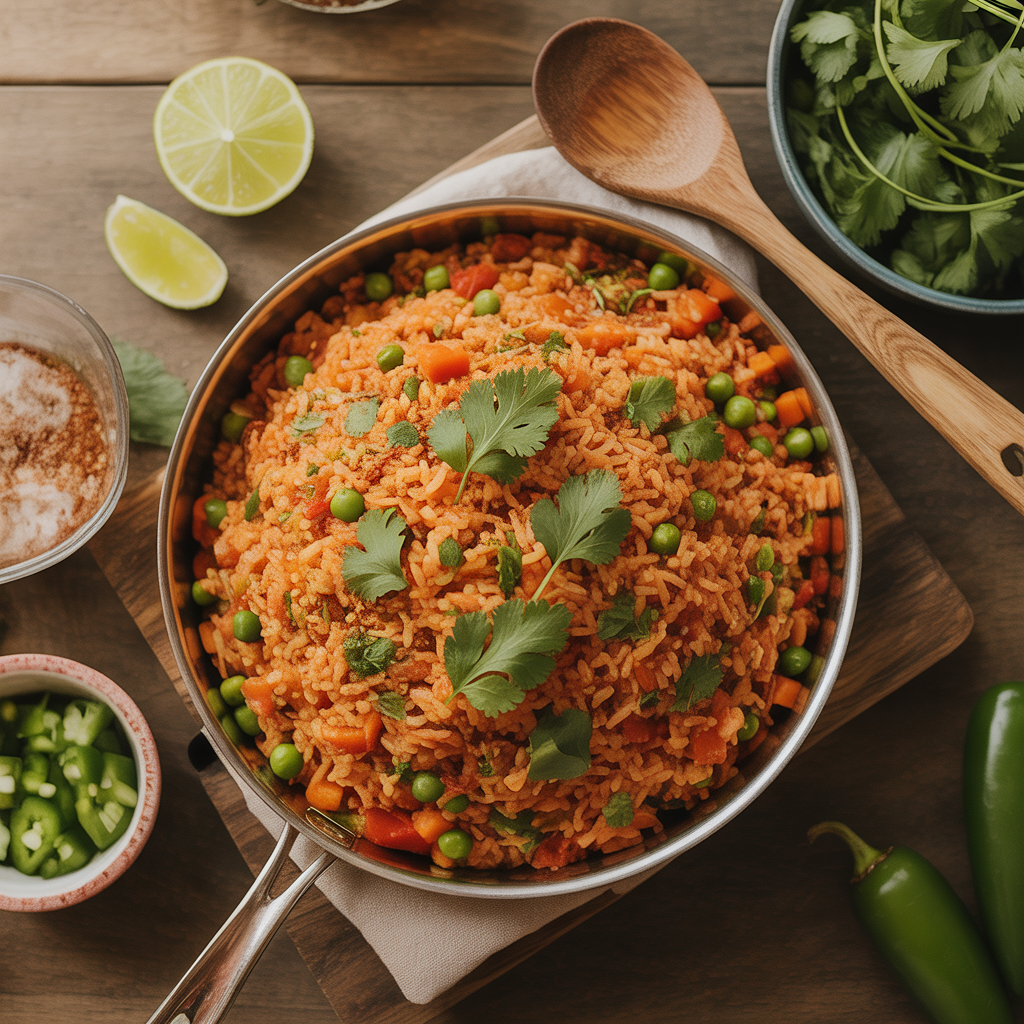
Mexican rice is a staple side dish that pairs beautifully with tacos, enchiladas, grilled meats, and beans. But getting it right — perfectly fluffy, separated grains with a rich, savory tomato flavor — requires more than just tossing rice into a pot with water. In this guide, you’ll learn every tip and technique to make restaurant-quality Mexican rice at home, every single time.
What Makes Mexican Rice Different?
Mexican rice (also known as arroz rojo or Spanish rice) is distinct from plain steamed rice in several ways:
- It’s toasted first: The raw rice is sautéed in oil before liquid is added, creating a nutty depth of flavor and helping each grain stay separate.
- It uses tomato-based liquid: A blend of tomatoes, onion, and garlic forms the flavorful cooking base.
- It’s seasoned with cumin and chicken bouillon: These two ingredients give it that signature, savory taste you find in Mexican restaurants.
Ingredients You’ll Need
To make approximately 4–6 servings of fluffy, flavorful Mexican rice, gather the following:
- 2 cups long-grain white rice
- 3 tablespoons vegetable oil (or canola oil)
- 1 can (8 oz) tomato sauce or 2 medium roma tomatoes, blended
- 2 cups chicken broth (low-sodium preferred)
- 1 cup water
- ½ medium white onion, finely diced or blended
- 3 cloves garlic, minced or blended
- 1 teaspoon ground cumin
- 1 teaspoon chili powder (optional, for color and flavor)
- 1–2 teaspoons chicken bouillon powder or granules
- Salt to taste
- ½ cup frozen peas (optional)
- ½ cup diced carrots (optional)
- Fresh cilantro for garnish (optional)
Step-by-Step Instructions
Step 1: Rinse the Rice (But Don’t Over-Rinse)
Place the dry rice in a fine mesh strainer and rinse it under cold water for about 30 seconds. You want to remove some of the excess surface starch — but not all of it. Over-rinsing can make the rice too loose. A light rinse is all you need. After rinsing, let the rice drain and then spread it on a clean towel or paper towel to dry slightly before cooking.
Step 2: Prepare Your Tomato Base
In a blender, combine the roma tomatoes (or tomato sauce), white onion, and garlic. Blend until completely smooth. This blended mixture is what gives Mexican rice its signature reddish color and deeply savory flavor. Set the mixture aside. You should have about 1½ to 2 cups of blended liquid total.
Step 3: Toast the Rice in Oil
This is the most critical step. Heat the oil in a large, heavy-bottomed skillet or saucepan with a tight-fitting lid over medium-high heat. Add the dry rice and stir it continuously. Toast the rice for 4 to 6 minutes, stirring frequently, until the grains turn a deep golden-brown color. You’ll notice a nutty, popcorn-like aroma — that’s exactly what you want.
Why does this matter? Toasting the rice creates a barrier around each grain that prevents it from absorbing too much liquid too quickly, which is what leads to mushy, clumpy rice. This step alone is the secret to fluffy Mexican rice.
Step 4: Add Aromatics
Once the rice is golden, if you didn’t blend your onion and garlic into the tomato mixture, you can add diced onion directly to the pan and sauté for 1–2 minutes. If using minced garlic, add it for just 30 seconds, being careful not to burn it.
Step 5: Add the Tomato Mixture and Broth
Carefully pour the blended tomato mixture into the hot pan with the toasted rice. Stand back slightly as it will sizzle aggressively. Stir to combine, then add the chicken broth and water. Add the cumin, chili powder, chicken bouillon, and salt. Stir everything together well.
Step 6: Bring to a Boil, Then Simmer Low and Slow
Increase the heat and bring the mixture to a full rolling boil. Once boiling, reduce the heat to the lowest setting, cover the pan tightly with a lid, and let it cook undisturbed for 20 minutes. Do not lift the lid. Steam is your friend here — releasing it will disrupt the cooking process and result in undercooked or unevenly cooked rice.
Step 7: Add Optional Vegetables
If you’re adding frozen peas and diced carrots, stir them in either just before you cover the pot or during the last 5 minutes of cooking. Carrots should be pre-cooked slightly or cut very small so they become tender in time. Frozen peas can be stirred in during the last 3–4 minutes.
Step 8: Rest and Fluff
After 20 minutes, turn off the heat and leave the lid on for another 5–10 minutes. This resting period allows the steam to fully absorb and the grains to firm up. Then remove the lid and use a fork (not a spoon) to gently fluff the rice with lifting motions. Using a spoon can crush the grains and make the rice mushy.
Key Tips for Perfect Fluffy Mexican Rice
Tip 1: Use the Right Rice
Long-grain white rice is the best choice for Mexican rice. It has a lower starch content than short-grain or medium-grain rice, which means the grains are less likely to stick together. Basmati is also an excellent option and produces beautifully fluffy results. Avoid instant or parboiled rice for this recipe, as they won’t toast or absorb liquid the same way.
Tip 2: Don’t Skip the Toasting Step
We can’t stress this enough — toasting the rice in oil is non-negotiable if you want fluffy, non-mushy results. Many home cooks skip this because they’re in a rush, but it only takes 5–6 minutes and makes an enormous difference in the final texture.
Tip 3: Get Your Liquid Ratio Right
The standard ratio for Mexican rice is 1 cup rice : 1¾ to 2 cups liquid. Because part of the liquid comes from the tomato mixture, the balance matters. If your rice comes out too dry, add a small splash of broth next time. If it’s too wet or mushy, reduce the liquid slightly.
Tip 4: Use Chicken Bouillon for Authentic Flavor
One of the biggest secrets to making Mexican rice taste like it came from a restaurant is chicken bouillon — specifically the Knorr brand, which is widely used in Mexican cooking. It adds a savory, umami-rich depth that plain salt simply can’t replicate. Use about 1–2 teaspoons per 2 cups of dry rice.
Tip 5: Never Stir the Rice While It Cooks
Once you’ve covered the pot and reduced the heat, leave it alone. Stirring activates the starch in the rice and causes it to become gluey. Trust the process and keep the lid on until the timer goes off.
Tip 6: Use a Heavy-Bottomed Pan
A heavy-bottomed skillet or Dutch oven distributes heat more evenly and prevents hot spots that can burn the bottom of the rice. If you only have a thin pan, keep the heat even lower and check the rice at the 15-minute mark.
Tip 7: Let It Rest Before Serving
Resting is not optional — it’s part of the cooking process. That final 5–10 minutes off the heat allows residual steam to finish cooking the rice evenly. Skipping this step will often result in the bottom being done while the top is still slightly undercooked.
Common Mistakes and How to Fix Them
Problem: Rice Is Mushy or Clumpy
Cause: Too much liquid, not enough toasting, or stirring during cooking.
Fix: Reduce liquid by ¼ cup next time, toast the rice longer, and resist the urge to stir.
Problem: Rice Is Crunchy or Undercooked
Cause: Not enough liquid or the heat was too high and the liquid evaporated too quickly.
Fix: Add 2–3 tablespoons of warm water or broth, cover, and cook on very low heat for another 5 minutes.
Problem: Rice Has No Flavor
Cause: Insufficient seasoning or skipping the chicken bouillon.
Fix: Add bouillon, cumin, and salt to the cooking liquid next time. Taste the liquid before adding rice and adjust seasoning accordingly.
Problem: Rice Is Too Dry
Cause: Too little liquid or the heat was too low and cooking took too long.
Fix: Add a little extra liquid next time, or partially cover the lid to retain more steam.
Flavor Variations to Try
Green Mexican Rice (Arroz Verde)
Blend tomatillos, fresh cilantro, green onions, jalapeño, and garlic together to create a vibrant green cooking liquid. Follow the same toasting and cooking method for a herbaceous, tangy variation.
Spicy Mexican Rice
Add 1 diced jalapeño or serrano pepper when sautéing the onion. You can also blend a chipotle pepper in adobo sauce into your tomato base for a smoky, spicy kick.
Vegetarian Mexican Rice
Simply swap the chicken broth for vegetable broth and use vegetable bouillon instead of chicken bouillon. The result is just as flavorful and completely plant-based.
Mexican Rice with Black Beans
Stir in 1 can of drained and rinsed black beans during the last 5 minutes of cooking for a heartier, protein-rich dish that can serve as a complete meal.
What to Serve with Mexican Rice
Mexican rice is incredibly versatile. Here are some classic pairings:
- Tacos and burritos: Serve alongside carne asada, chicken, or veggie tacos.
- Enchiladas: A perfect complement to red or green enchiladas.
- Grilled meats: Pairs wonderfully with carne asada, grilled chicken, or pork carnitas.
- Refried beans: The classic rice-and-beans combination is a complete protein source.
- Chili: Use it as a base layer under your favorite chili for a hearty bowl.
How to Store and Reheat Mexican Rice
Mexican rice stores and reheats beautifully, making it perfect for meal prep.
- Refrigerator: Store in an airtight container for up to 5 days.
- Freezer: Freeze in portioned containers for up to 3 months. Let it cool completely before freezing.
- Reheating: Add 1–2 tablespoons of water or broth to the rice before microwaving, covered, for 1–2 minutes. This helps restore moisture and prevent drying out. You can also reheat in a skillet over medium-low heat with a splash of broth, stirring occasionally.
Frequently Asked Questions
Can I make Mexican rice in a rice cooker?
Yes, but you’ll still want to toast the rice in a skillet first before transferring it to the rice cooker with all the liquid and seasonings. Without toasting, the rice cooker method will produce soft but less flavorful rice.
Can I use brown rice instead of white rice?
You can, but brown rice requires significantly more liquid and a longer cooking time (about 40–45 minutes). The texture will also be chewier. The toasting step is still recommended.
Why does my Mexican rice always come out orange instead of red?
The color depends on how much tomato sauce or tomato you use. For a deeper red color, increase the tomato sauce slightly. Adding a small amount of chili powder also enhances the color without significantly changing the flavor.
Do I need to use fresh tomatoes or can I use tomato sauce from a can?
Both work well. Canned tomato sauce is convenient and gives consistent results. Fresh blended roma tomatoes give a slightly fresher flavor. You can also use a combination of both.
Final Thoughts
Making perfectly fluffy and flavorful Mexican rice at home is all about technique. Toast your rice, blend your aromatics, nail the liquid ratio, and never open that lid while it cooks. With a little practice and these tips in your back pocket, you’ll be making Mexican rice that rivals your favorite restaurant — every single time. Whether you’re cooking for a weeknight dinner or a festive gathering, this dish is sure to become a beloved staple in your kitchen.