
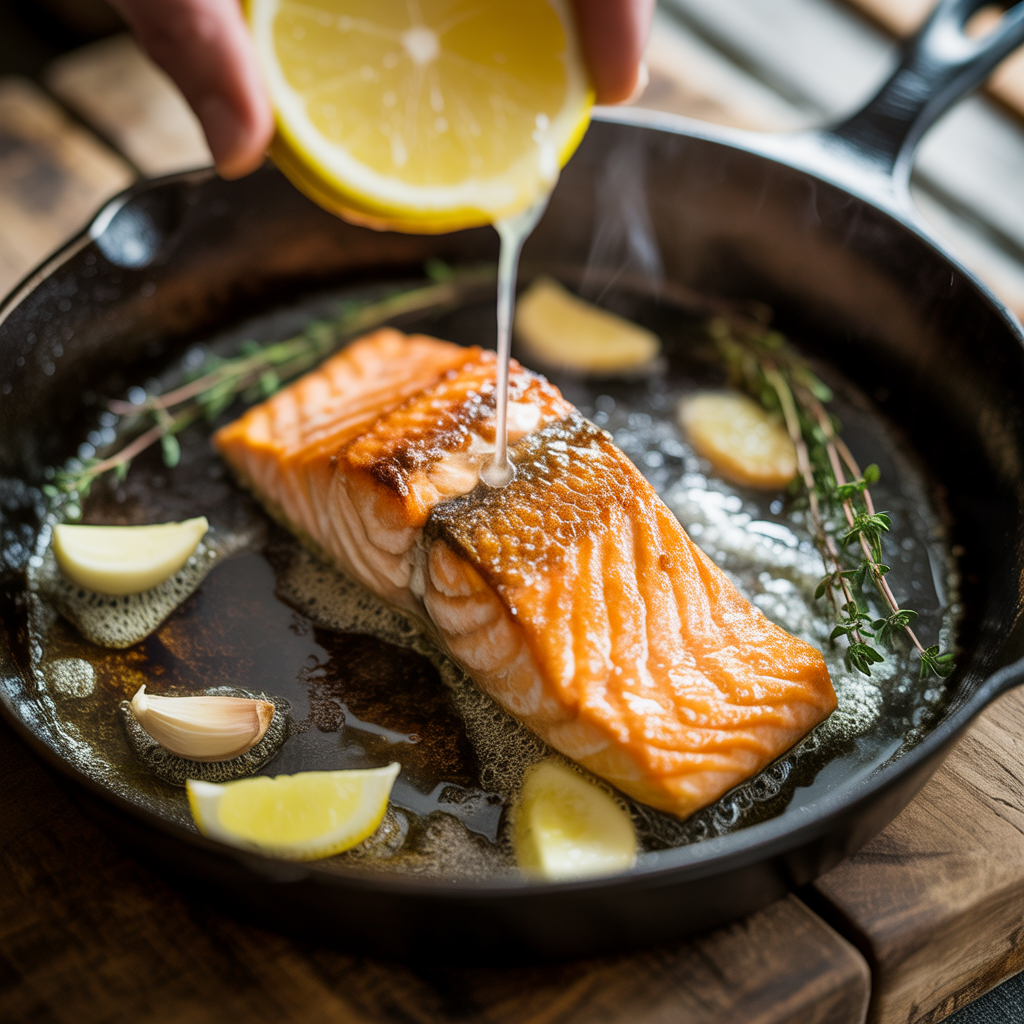
If you’ve ever struggled to get that restaurant-quality crispy skin on salmon at home, you’re not alone. The good news is that making crispy salmon in a pan is entirely achievable with the right technique, the right tools, and a little patience. In this guide, we’ll walk you through everything you need to know — from choosing the best salmon fillets to plating your finished dish like a pro.
Why Pan-Seared Salmon Is the Best Method
Pan-searing is one of the most effective cooking methods for salmon because it delivers:
- Crispy, golden skin with a satisfying crunch
- Moist, tender flesh that stays juicy inside
- Quick cooking time — ready in under 15 minutes
- Rich, caramelized flavor from the Maillard reaction
Compared to baking or steaming, pan-searing gives you far more control over texture and crust development, making it the go-to method for home cooks and professional chefs alike.
What You’ll Need
Ingredients
- 2–4 salmon fillets (skin-on, about 6 oz each)
- 1–2 tablespoons neutral oil (vegetable, canola, or avocado oil)
- Salt and freshly ground black pepper
- 2 tablespoons unsalted butter (optional, for basting)
- 2 cloves garlic, smashed (optional)
- Fresh herbs like thyme or rosemary (optional)
- Lemon wedges for serving
Equipment
- A heavy-bottomed skillet (cast iron or stainless steel is ideal)
- A fish spatula or wide spatula
- Paper towels
- Kitchen tongs
- An instant-read thermometer (optional but recommended)
Step-by-Step Instructions
Step 1: Choose the Right Salmon
Start with the best salmon you can find. Look for:
- Skin-on fillets — the skin is crucial for getting that crispy crust
- Even thickness — this ensures uniform cooking
- Fresh or properly thawed fish — avoid fillets that smell fishy or have discolored flesh
Popular varieties include Atlantic salmon, King (Chinook) salmon, and Sockeye salmon. Each has slightly different fat content and flavor profiles, but all work great for pan-searing.
Step 2: Dry the Salmon Thoroughly
This is the most important step for achieving crispy skin. Use paper towels to pat both sides of the salmon fillet completely dry. Moisture is the enemy of crispiness — any water on the surface will steam the fish instead of searing it.
For even better results, place the salmon uncovered in the refrigerator on a wire rack for 30 minutes to 1 hour before cooking. This air-drying technique draws out additional moisture from the skin.
Step 3: Season the Salmon
Season both sides generously with salt and pepper just before cooking. Some cooks prefer to season only the flesh side to prevent the salt from drawing out moisture from the skin right before searing. Either method works, but timing matters.
Keep the seasoning simple at this stage — the beauty of salmon is in its natural flavor. You can always add more complexity with sauces or toppings after cooking.
Step 4: Heat the Pan Properly
Place your cast iron or stainless steel skillet over medium-high heat and let it heat up for 2–3 minutes until very hot. You want the pan to be preheated before adding any oil.
Add 1–2 tablespoons of high smoke-point oil (such as canola, vegetable, or avocado oil) and swirl to coat. Heat the oil until it shimmers and just begins to smoke slightly — this indicates it’s at the right temperature for a proper sear.
Pro Tip: Do not use olive oil for high-heat searing. Its low smoke point will cause it to burn and create off-flavors. Save the olive oil for finishing or dressings.
Step 5: Place the Salmon Skin-Side Down
Carefully lay the salmon fillets in the pan skin-side down. You should hear an immediate, loud sizzle — that’s a great sign. If you don’t hear much sizzle, your pan isn’t hot enough.
Once you place the salmon in the pan, press it down gently with a spatula for the first 10–15 seconds. Salmon skin tends to curl as it hits the heat; pressing it flat ensures even contact with the pan for a uniformly crispy result.
Step 6: Don’t Move the Salmon
Resist the urge to move, shake, or flip the salmon prematurely. Let it cook undisturbed on the skin side for 4–6 minutes, depending on the thickness of the fillet. You’ll know it’s ready to flip when:
- The skin is golden brown and crispy
- The flesh has turned opaque about two-thirds of the way up the side
- The fillet releases easily from the pan without sticking
If the salmon sticks when you try to flip it, leave it for another minute. A properly seared salmon will naturally release from the pan when it’s ready.
Step 7: Flip and Finish Cooking
Gently flip the salmon fillets using a fish spatula. The flesh side only needs 1–2 minutes to finish cooking. At this point, you can:
- Add butter, smashed garlic, and fresh herbs to the pan
- Tilt the pan and use a spoon to baste the salmon with the flavored butter repeatedly
- This adds richness and incredible flavor to the flesh
Step 8: Check for Doneness
Salmon is best when cooked to an internal temperature of 125°F–130°F (52°C–54°C) for medium, or 145°F (63°C) for well-done (as recommended by the USDA for food safety). Insert an instant-read thermometer into the thickest part to check.
If you don’t have a thermometer, use the “press test”: press the thickest part of the fillet gently with your finger. It should feel firm but still give slightly — similar to the feeling of pressing the base of your thumb. Overly mushy means undercooked; very stiff means overcooked.
Step 9: Rest and Serve
Transfer the salmon to a plate and let it rest for 1–2 minutes before serving. This allows the juices to redistribute throughout the flesh for maximum moisture.
Serve skin-side up to maintain the crispiness. Squeeze fresh lemon juice over the top right before eating.
Common Mistakes to Avoid
- Not drying the salmon: Wet skin = soggy skin. Always pat it dry.
- Cold fish straight from the fridge: Let salmon sit at room temperature for 10–15 minutes before cooking for more even results.
- Pan not hot enough: A cold pan will cause the salmon to stick and steam instead of sear.
- Moving the fish too soon: Be patient and let the Maillard reaction do its job.
- Overcooking: Salmon continues to cook after being removed from heat. Pull it slightly before it’s fully done.
- Using the wrong pan: Non-stick pans work but don’t get as hot. For the best crust, use cast iron or stainless steel.
Flavor Variations and Seasoning Ideas
Once you master the basic technique, try these delicious variations:
Garlic Butter Salmon
Finish with a generous amount of butter, minced garlic, and fresh parsley. Baste repeatedly for an indulgent, rich crust.
Honey Soy Glazed Salmon
Mix 2 tablespoons soy sauce, 1 tablespoon honey, and 1 teaspoon sesame oil. Brush on the flesh side after flipping and let it caramelize in the pan.
Cajun Spiced Salmon
Rub the flesh with a blend of paprika, cayenne, garlic powder, onion powder, and dried oregano before searing for a bold, spicy kick.
Lemon Herb Salmon
Add lemon zest to your seasoning and finish with a squeeze of fresh lemon, capers, and fresh dill.
Best Sides to Serve With Crispy Pan Salmon
Crispy pan-seared salmon pairs beautifully with a wide range of sides:
- Roasted asparagus or broccolini
- Creamy mashed potatoes or cauliflower mash
- Steamed jasmine or brown rice
- A fresh arugula salad with lemon vinaigrette
- Garlic sautéed spinach or kale
- Quinoa with roasted vegetables
- Creamy polenta
How to Store and Reheat Leftover Salmon
Cooked salmon keeps well in an airtight container in the refrigerator for up to 3 days. To reheat without losing the crispy skin:
- Heat a non-stick pan over medium heat with a small amount of oil.
- Place the salmon skin-side down and heat for 2–3 minutes.
- Avoid microwaving, which makes the skin soggy and the flesh rubbery.
Alternatively, enjoy leftover salmon cold over salads or in salmon rice bowls — it’s just as delicious!
Nutritional Benefits of Salmon
Beyond being delicious, salmon is one of the most nutritious foods you can eat:
- High in omega-3 fatty acids — supports heart and brain health
- Excellent source of protein — about 25g per 3.5 oz serving
- Rich in B vitamins — particularly B12 and niacin
- Good source of potassium, selenium, and antioxidants
- Supports weight management with healthy fats that promote satiety
Frequently Asked Questions
Do I need to remove the skin before cooking?
No — and you shouldn’t! The skin is what becomes crispy and delicious. It also acts as a natural barrier protecting the flesh from direct heat, helping it stay moist. You can always remove it after cooking if you prefer not to eat it.
Can I make crispy salmon in a non-stick pan?
Yes, you can, though the results won’t be quite as crispy as with cast iron or stainless steel. Non-stick pans don’t retain heat as well and can’t handle extremely high temperatures. If using non-stick, make sure it’s preheated adequately.
Why is my salmon sticking to the pan?
Either the pan wasn’t hot enough when you added the fish, or it’s not ready to be flipped yet. A properly seared salmon will naturally release from the pan. Give it more time and it will come loose on its own.
How do I know when the salmon is cooked through?
Look for the flesh to turn from translucent pink to opaque. An internal temperature of 125°F–130°F is ideal for medium doneness. At 145°F, it’s fully cooked through.
Can I use frozen salmon?
Yes, but thaw it completely first. Place the frozen salmon in the refrigerator overnight, or seal it in a bag and submerge in cold water for 30–60 minutes. Pat it very dry before searing.
Final Tips for Perfect Crispy Salmon Every Time
- Always start with dry, room-temperature salmon
- Use a very hot pan with high smoke-point oil
- Cook skin-side down for the majority of the cooking time
- Be patient — don’t rush the flip
- Use butter basting for extra richness and flavor
- Rest the fish before serving and keep the skin side up on the plate
With these techniques in your arsenal, you’ll never struggle with soggy or stuck salmon again. Pan-seared crispy salmon is a weeknight dinner that feels restaurant-worthy, takes under 15 minutes, and delivers on flavor every single time. Give it a try tonight and taste the difference that proper technique makes!