
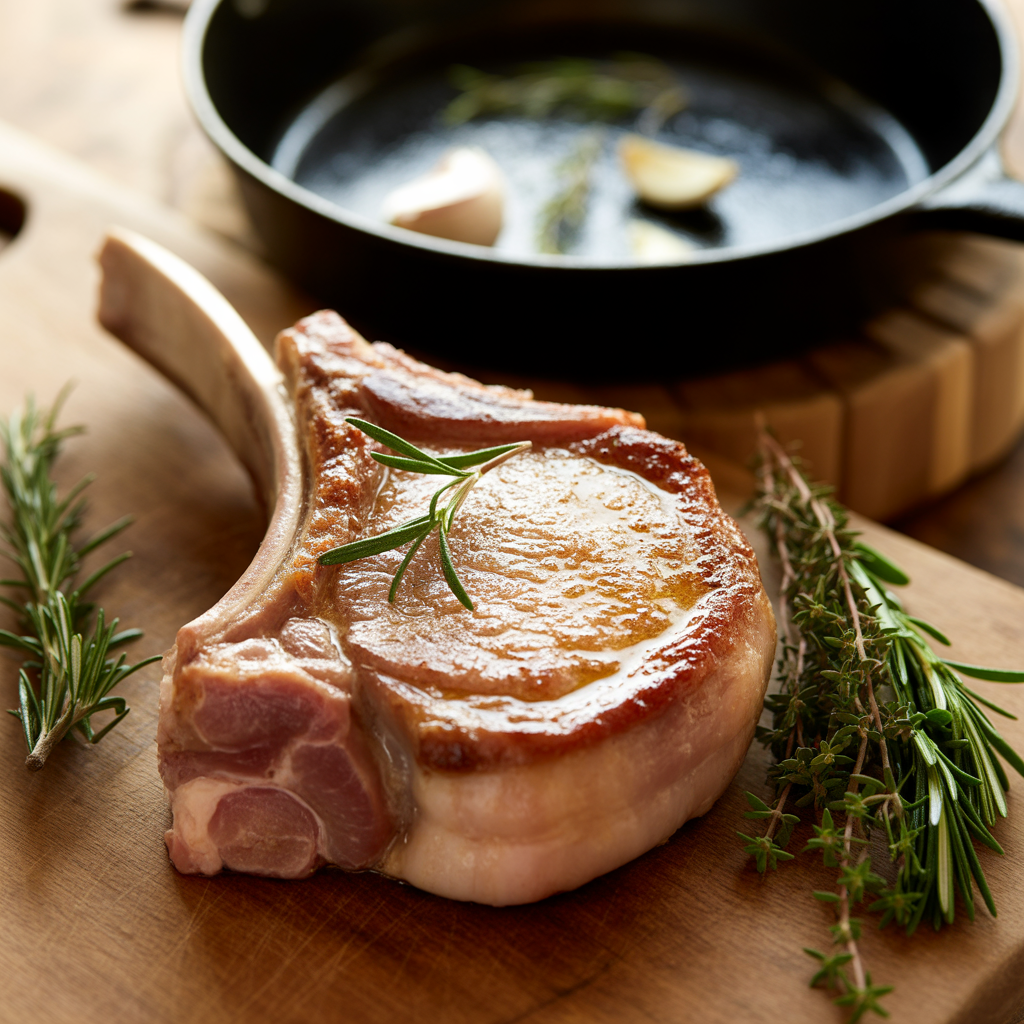
Pork chops have a reputation for turning out dry and tough, but with the right techniques, they can be incredibly juicy, tender, and flavorful. Whether you’re pan-searing, baking, or grilling, this comprehensive guide will walk you through everything you need to know to cook pork chops that stay moist every single time.
Why Do Pork Chops Turn Out Dry?
Before diving into solutions, it helps to understand the problem. Pork chops are a lean cut of meat with very little fat marbling compared to something like a ribeye steak. Fat acts as a natural moisture buffer during cooking, so without it, pork chops are far more susceptible to drying out if overcooked — even by just a few degrees. Modern pork is also bred to be leaner than it was decades ago, which makes proper technique even more critical.
Step 1: Choose the Right Cut
Not all pork chops are created equal. Your choice of cut will have a major impact on the final juiciness of the dish.
- Bone-in pork chops: The bone helps insulate the meat from heat, slowing down cooking and helping retain moisture. Bone-in chops are almost always juicier than boneless ones.
- Thick-cut chops (1 to 1.5 inches): Thicker chops give you a much larger margin of error. Thin chops cook through almost instantly and are very easy to overcook.
- Rib chops: Cut from the rib section, these have a bit more fat and are considered the most tender and flavorful.
- Loin chops: Leaner than rib chops but still a great choice, especially bone-in.
- Shoulder chops: More fat and connective tissue; ideal for slow cooking methods.
Recommendation: For pan-searing or grilling, choose bone-in, thick-cut rib chops that are at least 1 inch thick.
Step 2: Brine Your Pork Chops
Brining is arguably the single most effective technique for keeping pork chops juicy. A brine is simply a saltwater solution that the meat soaks in before cooking. The salt causes the muscle fibers to relax and absorb water, which they retain during the cooking process.
Simple Wet Brine Recipe
- 4 cups cold water
- 3 tablespoons kosher salt
- 2 tablespoons sugar (optional, helps with browning)
- Optional aromatics: garlic cloves, peppercorns, fresh herbs, bay leaves
Stir the salt and sugar into the water until fully dissolved. Submerge the pork chops in the brine, cover, and refrigerate for at least 30 minutes and up to 4 hours. Do not brine for longer than 8 hours, as the texture can become mushy.
Dry Brine (Dry Rub Method)
If you don’t have time for a wet brine, a dry brine works almost as well. Simply sprinkle kosher salt generously on both sides of the pork chops and let them rest uncovered in the refrigerator for at least 1 hour, or overnight for best results. The salt draws out moisture initially, then reabsorbs back into the meat, seasoning it deeply and improving texture.
Step 3: Bring Pork Chops to Room Temperature
Before cooking, take your pork chops out of the refrigerator and let them sit at room temperature for 15 to 30 minutes. Cold meat that hits a hot pan will cook unevenly — the outside can overcook before the inside reaches a safe temperature. Room-temperature meat cooks more evenly, resulting in juicier chops.
Step 4: Season Generously
If you brined your chops, rinse them off and pat them completely dry with paper towels. Dry surfaces are essential for achieving a good sear. Then season with:
- Freshly ground black pepper
- Garlic powder or onion powder
- Paprika (smoked paprika adds great flavor)
- Fresh or dried herbs like thyme, rosemary, or sage
- A light drizzle of olive oil to help the seasoning stick
If you dry-brined, there is enough salt already — just add your other seasonings.
Step 5: Use High Heat to Sear First
Whether you’re cooking on the stovetop, in the oven, or on the grill, a hard sear is key to locking in flavor (though not technically moisture — that’s a myth). The Maillard reaction that occurs during searing creates a flavorful crust that enhances the overall juiciness and satisfaction of the dish.
How to Pan-Sear Pork Chops
- Heat a cast iron skillet or heavy stainless steel pan over medium-high to high heat until it’s very hot.
- Add 1 tablespoon of oil with a high smoke point (canola, avocado, or refined coconut oil).
- Place the pork chops in the pan — do not move them. Let them sear undisturbed for 2 to 4 minutes until a golden-brown crust forms.
- Flip and sear the other side for another 2 to 3 minutes.
- Sear the fat cap on the edge by holding the chop upright with tongs for about 1 minute.
- Add butter, crushed garlic, and fresh thyme to the pan, then baste the chops by tilting the pan and spooning the melted butter over the meat repeatedly for 1 to 2 minutes.
Step 6: Monitor the Internal Temperature
This is the most important step. The USDA recommends cooking pork to an internal temperature of 145°F (63°C), followed by a 3-minute rest. Gone are the days of cooking pork to 160°F and ending up with dry, chewy meat.
Use an instant-read meat thermometer inserted into the thickest part of the chop, away from the bone. Pull the pork chops off the heat when they reach 140°F to 143°F, as carryover cooking will bring them up to 145°F during resting.
Temperature Guide
- 140°F–143°F: Pull from heat (carryover will reach 145°F)
- 145°F: USDA safe minimum — slightly pink in the center, very juicy
- 150°F: Fully cooked through, still acceptable but less juicy
- 160°F+: Overcooked — dry and tough
Step 7: Let Them Rest
Resting is non-negotiable. When meat cooks, the muscle fibers contract and push juices toward the center. If you cut into a pork chop immediately after cooking, all those juices will run out onto your cutting board. By resting for 5 minutes, you allow the fibers to relax and reabsorb the juices throughout the chop.
Tent the pork chops loosely with aluminum foil while they rest — this keeps them warm without trapping steam that would soften your beautiful crust.
Cooking Methods That Keep Pork Chops Juicy
Method 1: Pan-Sear and Oven Finish (Reverse-Sear Variation)
This is the most reliable method for thick-cut chops.
- Preheat your oven to 400°F (200°C).
- Sear the chops in an oven-safe skillet over high heat as described above.
- Transfer the entire skillet to the oven and roast for 5 to 10 minutes, depending on thickness, until the internal temperature reaches 140°F.
- Rest and serve.
Method 2: Reverse Sear
The reverse sear method is excellent for extremely thick chops (1.5 inches or more).
- Place seasoned pork chops on a wire rack set over a baking sheet.
- Bake in a 275°F (135°C) oven for 25 to 40 minutes until the internal temperature reaches 120°F to 125°F.
- Remove from oven and let rest for 5 minutes.
- Sear in a ripping hot cast iron skillet for 1 to 2 minutes per side to develop a crust.
- Rest for 5 more minutes and serve.
The reverse sear gives you incredible control over doneness and results in wall-to-wall even cooking with a stunning crust.
Method 3: Grilling
- Preheat your grill to high heat (450°F–500°F).
- Clean and oil the grates well.
- Sear chops directly over the flame for 2 to 3 minutes per side.
- Move to indirect heat (turn off burners on one side for gas, push coals to one side for charcoal).
- Close the lid and finish cooking until the internal temp reaches 140°F.
- Rest and serve.
Method 4: Baking Only
While baking alone won’t give you a crust, it’s a convenient hands-off method.
- Preheat oven to 375°F (190°C).
- Place seasoned pork chops in a lightly oiled baking dish.
- Bake for 20 to 30 minutes depending on thickness, until internal temperature reaches 140°F.
- For extra moisture, cover the dish with foil for the first half of cooking, then remove to allow browning.
- Rest and serve.
Consider adding a splash of chicken broth, apple juice, or white wine to the bottom of the dish to create a steamy environment that keeps the chops moist.
Method 5: Sous Vide
Sous vide is the ultimate method for guaranteed juicy pork chops, producing restaurant-quality results consistently.
- Season the pork chops and seal them in a zip-lock bag (using the water displacement method) or a vacuum-sealed bag.
- Set your sous vide circulator to 140°F (60°C).
- Cook for 1 to 4 hours.
- Remove, pat dry thoroughly, and sear in a very hot skillet for 1 minute per side to develop a crust.
- Serve immediately — no additional rest is needed.
Flavor Boosters and Finishing Touches
Butter Basting
During the final stages of pan-searing, add 2 tablespoons of unsalted butter along with crushed garlic cloves and fresh herbs (thyme, rosemary) to the pan. Tilt the pan toward you and continuously spoon the foaming butter over the chops for 1 to 2 minutes. This adds enormous flavor and a glossy, appealing finish.
Pan Sauce
After removing the pork chops from the pan, make a quick pan sauce to serve alongside:
- Pour off excess fat, leaving about 1 tablespoon in the pan.
- Add minced shallots or garlic and cook for 30 seconds.
- Deglaze with ½ cup of chicken broth, white wine, apple cider, or a combination.
- Scrape up all the brown bits from the bottom of the pan.
- Simmer until reduced by half, then stir in 1 to 2 tablespoons of cold butter for richness.
- Season with salt, pepper, and fresh herbs, then spoon over your rested chops.
Marinades
If you prefer to marinate rather than brine, use an acid-based marinade (citrus juice, vinegar, buttermilk) combined with oil, garlic, and herbs. Marinate for 2 to 8 hours — any longer and the acid can break down the texture negatively. Always pat dry before cooking.
Common Mistakes to Avoid
- Cooking cold chops straight from the fridge: Always allow time to come to room temperature.
- Not patting the surface dry: Moisture on the surface creates steam and prevents proper searing.
- Flipping too frequently: Let the chop sit and develop a crust before flipping.
- Cooking by time instead of temperature: Always use a meat thermometer.
- Skipping the rest: Cutting immediately lets all the juices escape.
- Using a thin, lightweight pan: A cast iron or heavy skillet retains heat better and gives a more even sear.
- Overcrowding the pan: Too many chops at once drops the pan temperature, causing steaming instead of searing.
Best Side Dishes to Serve with Juicy Pork Chops
- Creamy mashed potatoes
- Roasted apple and onion medley
- Garlic green beans or asparagus
- Roasted sweet potatoes
- Apple sauce or cranberry chutney
- Buttery egg noodles
- Caesar salad or simple arugula salad
Frequently Asked Questions
How do I know when pork chops are done without a thermometer?
While a thermometer is strongly recommended, you can press the center of the chop with your finger. A chop cooked to 145°F will have a slight firmness but still spring back. If it feels very firm and rigid, it’s overcooked. If it feels completely soft and squishy, it needs more time. This method requires experience and a thermometer is far more reliable.
Can I cook pork chops from frozen?
It’s not recommended, as frozen pork chops cook very unevenly. Always thaw in the refrigerator overnight before cooking. In a pinch, you can thaw in cold water (in the sealed bag) for 1 to 2 hours, changing the water every 30 minutes.
Is it okay if pork chops are slightly pink in the middle?
Yes! As long as the internal temperature has reached 145°F, pork is safe to eat even if it shows a slight blush of pink. This is perfectly normal and actually indicates a juicy, properly cooked chop. The old guidance to cook pork until completely gray and dry is outdated.
How long do cooked pork chops keep?
Properly stored in an airtight container in the refrigerator, cooked pork chops will keep for 3 to 4 days. Reheat gently in a covered skillet with a splash of broth over low heat to preserve moisture.
Summary: The Juicy Pork Chop Checklist
- ✅ Choose thick-cut, bone-in chops
- ✅ Brine for at least 30 minutes (wet or dry)
- ✅ Bring to room temperature before cooking
- ✅ Pat completely dry before searing
- ✅ Season generously
- ✅ Sear in a hot cast iron pan
- ✅ Use a meat thermometer and pull at 140°F–143°F
- ✅ Rest for at least 5 minutes before cutting
- ✅ Finish with butter basting or a pan sauce
Mastering juicy pork chops is all about understanding heat, moisture, and timing. Once you internalize these principles and make a thermometer your best kitchen friend, you’ll never suffer through a dry pork chop again. With a little preparation and the right technique, this humble cut can rival even the finest steakhouse proteins.