
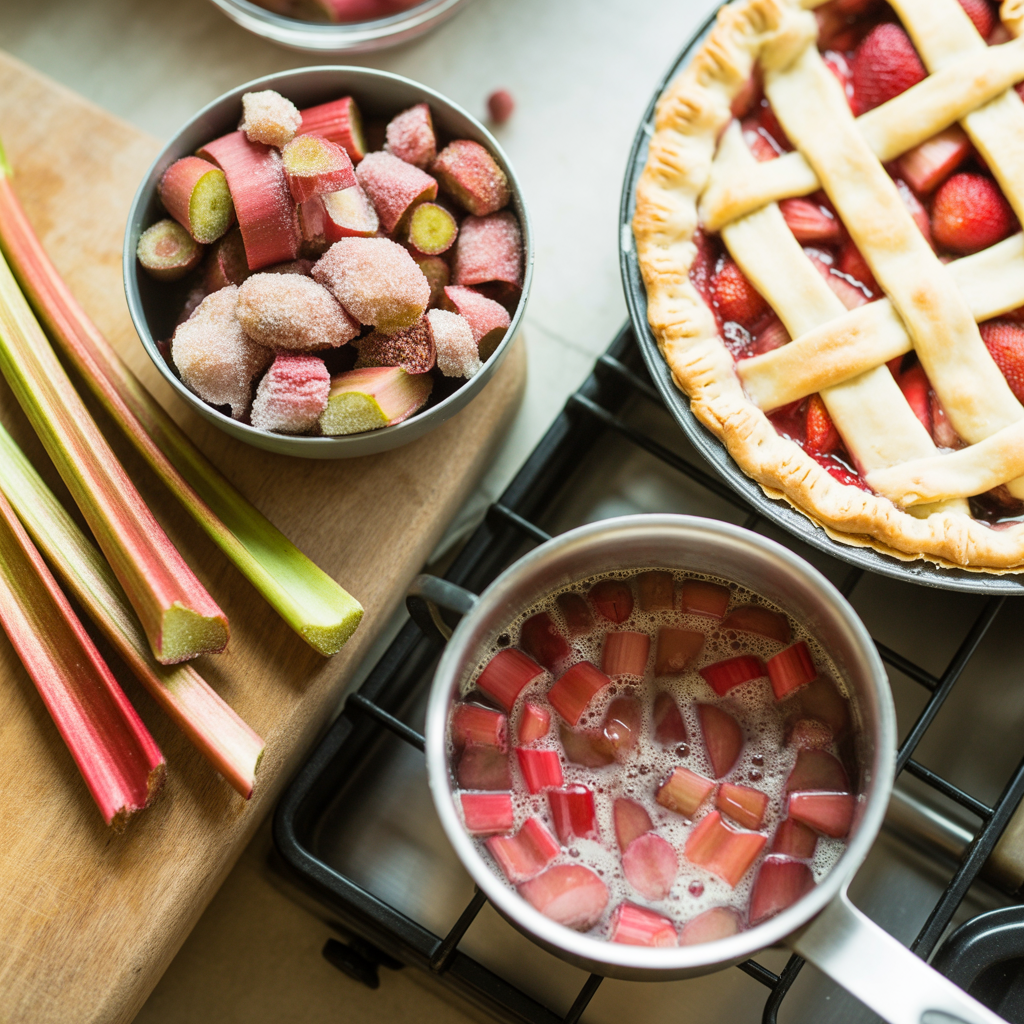
Rhubarb is one of the most versatile ingredients in the dessert world, offering a uniquely sour, tangy flavor that pairs beautifully with sugar to create unforgettable sweet-tart treats. Whether you’re a seasoned baker or a curious beginner, learning how to cook rhubarb properly opens the door to a wide range of delicious desserts — from classic strawberry-rhubarb pie to silky compotes and vibrant crisps.
In this comprehensive guide, you’ll learn everything you need to know about preparing and cooking rhubarb for desserts, including how to select it, prepare it safely, and use the best cooking methods to unlock its incredible flavor.
What Is Rhubarb and Why Is It Used in Desserts?
Rhubarb is a vegetable — yes, a vegetable — that is almost exclusively used as a fruit in cooking. Its celery-like stalks are firm, fibrous, and intensely sour when raw. The sourness comes from malic and oxalic acid, which gives rhubarb its signature tartness.
When combined with sugar and heat, rhubarb transforms into something magical: soft, jammy, and perfectly balanced between sweet and tart. This makes it an ideal ingredient for:
- Pies and tarts
- Crisps and crumbles
- Compotes and sauces
- Jams and preserves
- Cakes and muffins
- Sorbets and ice creams
Important safety note: Only the stalks of rhubarb are edible. The leaves contain high levels of oxalic acid and are toxic — never consume rhubarb leaves.
How to Select the Best Rhubarb
Choosing quality rhubarb is the first step to a great dessert. Here’s what to look for:
- Color: Stalks range from deep red to pink to green. Red stalks tend to have a slightly sweeter flavor and produce a more vibrant color in desserts. Green rhubarb is equally delicious but may require a touch more sugar.
- Firmness: Choose stalks that are firm and crisp, not limp or wilted.
- Size: Medium-sized stalks (about 1 to 2 inches wide) are ideal. Very thick stalks can be more fibrous and may need longer cooking.
- Freshness: Look for shiny, unblemished stalks with tightly attached leaves at the top (though you’ll remove those immediately).
Rhubarb is in season primarily in spring through early summer (April through June in most regions). Frozen rhubarb is widely available year-round and works just as well in most cooked dessert recipes.
How to Prepare Rhubarb for Cooking
Before cooking, rhubarb needs a few simple preparation steps:
Step 1: Remove the Leaves
Cut off and discard all leaves immediately. As mentioned, they are toxic and should never be eaten or composted where animals might access them.
Step 2: Wash the Stalks
Rinse the stalks under cool running water to remove any dirt or debris. Pat dry with a clean kitchen towel.
Step 3: Trim the Ends
Trim the very bottom end of each stalk (the root end) to remove any tough or dried-out portions.
Step 4: Peel If Necessary
For most recipes, peeling is not required. However, if your rhubarb stalks are particularly thick and fibrous, you can use a vegetable peeler to remove the outer strings — similar to stringing celery.
Step 5: Cut Into Pieces
Slice the stalks into even pieces. For most dessert recipes, ½-inch to 1-inch pieces are ideal. Uniform cutting ensures even cooking.
Best Methods for Cooking Rhubarb for Desserts
There are several excellent ways to cook rhubarb, each yielding slightly different textures and flavors. Below are the most popular methods:
1. Stewing Rhubarb on the Stovetop
Stewing is the simplest and most common method. It produces a soft, saucy rhubarb that’s perfect for compotes, toppings, and fillings.
Basic Stewed Rhubarb Recipe:
- 4 cups rhubarb, cut into 1-inch pieces
- ¾ cup granulated sugar (adjust to taste)
- 2–3 tablespoons water or orange juice
- Optional: 1 teaspoon vanilla extract, pinch of cinnamon
Instructions:
- Combine rhubarb, sugar, and liquid in a medium saucepan over medium heat.
- Stir to coat the rhubarb with sugar.
- Cook, stirring occasionally, for 8–12 minutes until the rhubarb has broken down and the mixture is thick and saucy.
- Add vanilla or cinnamon if using, stir, and remove from heat.
- Let cool before serving. The mixture will thicken further as it cools.
Tip: For a chunkier texture, cook for less time (6–8 minutes) and remove from heat while some pieces are still slightly intact.
2. Roasting Rhubarb in the Oven
Roasting rhubarb in the oven is a fantastic hands-off method that concentrates the flavors and preserves the shape of the pieces better than stovetop stewing. The result is tender, jammy chunks with a deep, caramelized flavor.
How to Roast Rhubarb:
- 4 cups rhubarb, cut into 1–2 inch pieces
- ½ to ¾ cup sugar
- Optional: zest of 1 orange or lemon, 1 vanilla bean (split and scraped), fresh ginger
Instructions:
- Preheat your oven to 375°F (190°C).
- Arrange the rhubarb pieces in a single layer in a baking dish or on a rimmed sheet pan.
- Sprinkle sugar evenly over the top. Add any optional flavorings.
- Toss gently to combine.
- Roast for 15–20 minutes, until rhubarb is tender and juices are bubbling.
- Allow to cool slightly before using.
Roasted rhubarb is exceptional served over yogurt, ice cream, or as a filling for tarts and pavlova.
3. Making a Rhubarb Compote
A compote is a thick, syrupy mixture that’s great for spooning over pancakes, waffles, cheesecake, or plain yogurt. It’s essentially a more refined version of stewed rhubarb.
Rhubarb Compote Recipe:
- 3 cups rhubarb, sliced
- 1 cup sugar
- ¼ cup water
- 1 tablespoon lemon juice
- Optional: strawberries, raspberries, or peaches for added sweetness
Instructions:
- Combine sugar and water in a small saucepan. Heat over medium until sugar dissolves to create a simple syrup.
- Add rhubarb and lemon juice.
- Cook over medium heat for 10–15 minutes, stirring occasionally, until the rhubarb is very soft.
- If desired, mash lightly with a fork or use an immersion blender for a smoother consistency.
- Store in a clean jar in the refrigerator for up to 1 week.
4. Baking Rhubarb Into Pies, Crisps, and Crumbles
Baking rhubarb inside a pie or crumble is arguably the most beloved dessert application. The key is ensuring the filling is thick enough so it doesn’t turn watery.
Tips for Baking Rhubarb in Pies and Crisps:
- Macerate first: Toss cut rhubarb with sugar and let it sit for 15–30 minutes. This draws out excess moisture. Drain off some of the liquid before using.
- Use a thickener: Add 3–4 tablespoons of cornstarch or tapioca starch per 4 cups of rhubarb to ensure a thick, sliceable filling.
- Pair with sweeter fruits: Strawberries, peaches, and apples balance rhubarb’s tartness beautifully and naturally reduce the need for excessive sugar.
- Don’t overbake: Rhubarb bakes quickly. Most pies and crisps need only 35–50 minutes at 375°F (190°C).
Classic Strawberry-Rhubarb Pie Filling:
- 2 cups sliced rhubarb
- 2 cups hulled and sliced strawberries
- 1 cup sugar
- 3 tablespoons cornstarch
- 1 tablespoon lemon juice
- Pinch of salt
Combine all ingredients, let macerate for 20 minutes, drain excess liquid, and use as a pie filling. Bake in a double crust pie at 375°F for 45–50 minutes until bubbling.
5. Making Rhubarb Jam or Preserves
Rhubarb jam is a beautiful, vibrant condiment that captures the flavor of fresh rhubarb and keeps for months.
Quick Rhubarb Jam:
- 4 cups rhubarb, diced
- 2 cups sugar
- 2 tablespoons lemon juice
- Optional: 1 cup strawberries or raspberries
Instructions:
- Combine rhubarb, sugar, and lemon juice in a large heavy-bottomed pot.
- Let sit for 30 minutes to macerate.
- Bring to a boil over medium-high heat, stirring frequently.
- Reduce heat and simmer for 20–25 minutes, stirring often, until the mixture thickens and reaches a jam-like consistency.
- Test the set by placing a small spoonful on a chilled plate — it should wrinkle when pushed with a finger.
- Pour into sterilized jars and seal, or refrigerate and use within 3 weeks.
How Much Sugar Do You Need for Rhubarb?
Because rhubarb is intensely sour, it almost always requires significant sweetening. As a general rule:
- For stewed or roasted rhubarb: Use about ¼ to ⅓ cup of sugar per cup of rhubarb, adjusting to your taste.
- For pies and baked goods: Use approximately ¾ to 1 cup sugar per 4 cups of rhubarb.
- For compotes and jams: Equal parts rhubarb to sugar, or slightly less if you prefer a more tart result.
You can also substitute some or all of the granulated sugar with:
- Brown sugar (adds a caramel note)
- Honey (use about 75% of the amount called for)
- Maple syrup (earthy, complex flavor)
- Coconut sugar (lower glycemic index, caramel-like taste)
Flavor Pairings That Work Beautifully with Rhubarb
Rhubarb is incredibly versatile and pairs well with many flavors:
- Strawberry — the classic pairing; strawberries add natural sweetness and complement rhubarb’s tartness
- Vanilla — softens and rounds out rhubarb’s sharp edges
- Ginger — adds warmth and spice that highlights rhubarb’s tartness
- Orange and lemon zest — brightens the flavor with citrus notes
- Cardamom and cinnamon — warm spices that add depth
- Almond — frangipane or almond cream pairs incredibly well with rhubarb in tarts
- Apple and pear — add bulk and sweetness in pies and crisps
- Custard and cream — the richness of dairy perfectly offsets rhubarb’s acidity
How to Use Frozen Rhubarb
Frozen rhubarb works beautifully in most cooked recipes. Here’s how to use it:
- For compotes and jams: Use directly from frozen. The extra moisture released during thawing adds liquid to the pan, so you may need to cook slightly longer.
- For pies and crisps: Thaw frozen rhubarb in a colander and drain the excess liquid thoroughly before using. This prevents a watery filling. You may also want to increase the cornstarch by 1 tablespoon.
- For roasting: Best to use fresh rhubarb for roasting, as frozen rhubarb tends to become mushy in the oven.
How to Store Cooked Rhubarb
Properly stored cooked rhubarb lasts well and can be used throughout the week:
- Refrigerator: Store stewed rhubarb, compote, or roasted rhubarb in an airtight container in the refrigerator for up to 5–7 days.
- Freezer: Cooked rhubarb freezes beautifully. Store in freezer-safe containers or bags for up to 6 months. Thaw overnight in the refrigerator before using.
Common Mistakes to Avoid When Cooking Rhubarb
- Not adding enough sugar: Under-sweetened rhubarb can be almost unpleasantly sour. Taste and adjust as you cook.
- Overcooking: Rhubarb breaks down very quickly. Overcooked rhubarb turns into mush. Keep a close eye on it, especially when stewing.
- Not draining enough liquid from pies: Too much moisture leads to soggy pastry and a runny filling. Always drain macerated rhubarb and use a thickener.
- Skipping the leaves removal: Always double-check that all leaves are fully removed before cooking.
- Using rhubarb at the wrong stage: Very old or thick rhubarb can be tough and stringy. Choose fresh, medium-sized stalks for the best results.
Quick Rhubarb Dessert Ideas to Try
Now that you know how to cook rhubarb, here are some crowd-pleasing dessert ideas to get you started:
- Rhubarb Crisp: Topped with an oat-brown sugar-butter crumble, baked until golden and bubbly. Serve warm with vanilla ice cream.
- Strawberry-Rhubarb Pie: A double-crust or lattice-top pie with a thick, sweet-tart filling. A timeless American classic.
- Rhubarb Fool: Stewed rhubarb folded into whipped cream for a quick, elegant British dessert.
- Rhubarb Upside-Down Cake: Buttery cake baked over a layer of caramelized rhubarb and inverted for a stunning presentation.
- Rhubarb Pavlova: Crispy meringue topped with whipped cream and roasted rhubarb compote.
- Rhubarb Sorbet: Stewed rhubarb blended smooth and churned into a refreshing, vibrant sorbet.
- Rhubarb Galette: Rustic free-form pastry filled with rhubarb and sugar — simple, beautiful, and delicious.
Final Thoughts
Cooking rhubarb is surprisingly simple once you understand its basic needs: generous sweetening, careful heat management, and the right technique for your chosen dessert. Whether you’re stewing it for a quick topping, roasting it for a sophisticated tart, or baking it into a classic pie, rhubarb delivers an extraordinary sweet-tart experience that few other ingredients can replicate.
With the methods and tips in this guide, you’re fully equipped to make the most of this wonderful seasonal ingredient. Don’t be afraid to experiment with flavor pairings and recipes — rhubarb is forgiving, versatile, and utterly rewarding to cook with.
Happy cooking, and enjoy every sweet-tart bite!