
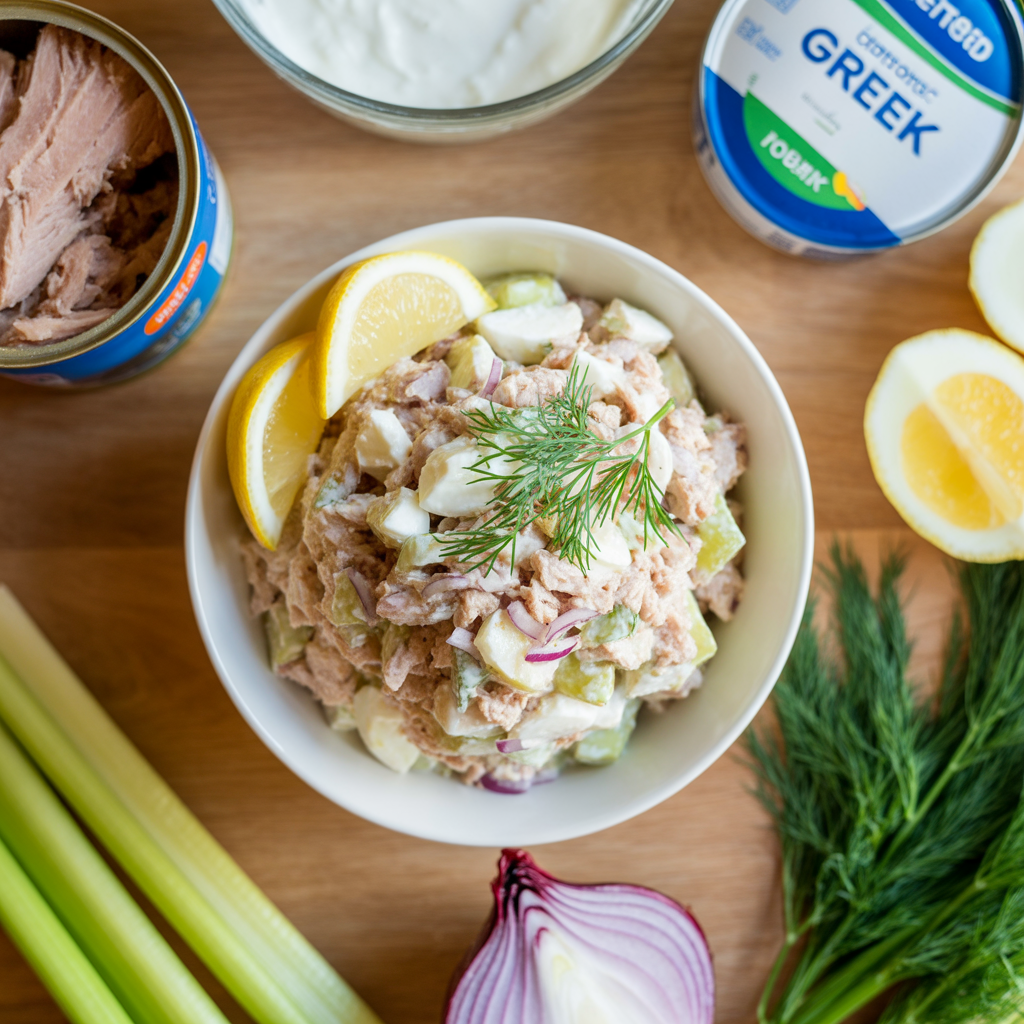
If you’ve ever wondered how to take a simple can of tuna and transform it into something truly satisfying, creamy, and packed with protein, you’re in the right place. Tuna salad is one of the easiest, most versatile meals you can make — but the difference between a bland, watery version and a rich, creamy, high-protein powerhouse comes down to a few key techniques and ingredients.
In this guide, we’ll walk you through everything you need to know: from choosing the right type of tuna, to the best creamy bases, protein-boosting add-ins, and tips for nailing the perfect texture every single time.
Why Tuna Salad Is a Great High-Protein Meal
Tuna is one of the most protein-dense foods available at an affordable price. A single 5-ounce can of tuna typically contains around 25–30 grams of protein, making it an excellent choice for anyone looking to increase their protein intake without consuming a lot of calories or fat.
Beyond protein, tuna is also rich in:
- Omega-3 fatty acids – great for heart and brain health
- Vitamin B12 – essential for energy and nerve function
- Selenium – a powerful antioxidant mineral
- Niacin (Vitamin B3) – supports metabolism
When you combine tuna with the right high-protein ingredients, you can easily build a meal that delivers 40–50 grams of protein per serving — ideal for post-workout recovery or a satisfying lunch.
Choosing the Right Tuna
The type of tuna you use makes a significant difference in the final texture and flavor of your salad.
Canned Tuna in Water vs. Oil
- Tuna in water: Lower in calories and fat. Draining well is important to avoid a watery salad. Best if you want a lighter option or are adding your own creamy base.
- Tuna in olive oil: Richer flavor and naturally creamier texture. The olive oil adds healthy fats and helps the salad feel more indulgent. Great if you want a more luxurious result.
Chunk Light vs. Solid White (Albacore)
- Chunk light tuna (usually skipjack) – Softer texture, stronger flavor, lower in mercury, and typically more affordable.
- Solid white albacore – Firmer, meatier texture, milder flavor. Slightly higher in mercury, so consume in moderation.
Tip: For the creamiest tuna salad, chunk light tuna blends more easily with the creamy base. For a chunkier, heartier salad, go with solid white albacore.
The Secret to Making Tuna Salad Creamy
Achieving that perfect creamy texture without making your tuna salad greasy or heavy is all about choosing and balancing the right base ingredients.
1. Classic Mayonnaise
Mayonnaise is the traditional go-to for creamy tuna salad — and for good reason. It binds everything together, adds richness, and gives a smooth, silky texture. Use full-fat mayo for the creamiest result, or a light mayo if you’re watching calories.
How much to use: Start with 2–3 tablespoons per can of tuna and adjust to your preference. Less mayo keeps it chunkier; more makes it spreadable and smooth.
2. Greek Yogurt (The High-Protein Swap)
Plain, full-fat or low-fat Greek yogurt is one of the best substitutes for mayo — or can be used alongside it. It adds:
- A creamy, tangy flavor
- Significant extra protein (about 10g per 100g)
- Probiotics for gut health
- Fewer calories than mayo
Pro tip: Use a 50/50 mix of mayo and Greek yogurt to get the creaminess of mayo with the protein boost and tang of yogurt. This combination is arguably the best of both worlds.
3. Avocado
Mashed ripe avocado creates an incredibly creamy, buttery tuna salad without any dairy. It adds healthy monounsaturated fats, fiber, and a rich texture. Use ½ a ripe avocado per can of tuna, mashed until smooth.
Note: Avocado-based tuna salad oxidizes quickly, so add a squeeze of lemon juice and consume within a day.
4. Cottage Cheese (Blended)
Blended cottage cheese is a surprisingly excellent creamy base that dramatically increases the protein content of your tuna salad. Blend it until completely smooth before mixing with tuna to avoid a lumpy texture. It adds a mild flavor that won’t overpower the tuna.
5. Hummus
For a dairy-free, plant-based creamy option, plain or garlic hummus works wonderfully. It adds creaminess, plant protein, and a subtle savory depth to the salad.
High-Protein Add-Ins to Boost Your Tuna Salad
If you want to maximize the protein content of your tuna salad beyond what the tuna itself provides, consider adding these high-protein ingredients:
Hard-Boiled Eggs
Chopped hard-boiled eggs are a classic tuna salad addition. Each egg adds about 6 grams of protein and contributes to a creamier, richer texture — especially if you mash the yolk into the mixture.
White Beans or Chickpeas
Lightly mashed cannellini beans or chickpeas add plant-based protein, fiber, and a creamy, starchy texture that bulks up the salad without adding much fat.
Edamame
Shelled edamame adds a pleasant chew, bright green color, and a solid protein boost. A ½ cup of edamame contains about 9 grams of protein.
Cottage Cheese (Chunky Style)
If you prefer texture, stir in small-curd cottage cheese without blending. It mixes well with tuna and adds noticeable protein to each serving.
Hemp Seeds
Sprinkle 2 tablespoons of hemp seeds into your tuna salad for an extra 6–7 grams of protein. They have a neutral, nutty flavor and blend in seamlessly.
The Best Creamy High-Protein Tuna Salad Recipe
Now let’s put it all together with a complete recipe that is creamy, satisfying, and packs a serious protein punch.
Ingredients (Serves 2)
- 2 cans (5 oz each) chunk light tuna in water, drained thoroughly
- 3 tablespoons plain Greek yogurt (full-fat)
- 2 tablespoons mayonnaise
- 2 hard-boiled eggs, chopped
- 2 tablespoons finely diced celery
- 2 tablespoons finely diced red onion
- 1 tablespoon Dijon mustard
- 1 tablespoon fresh lemon juice
- 1 tablespoon chopped fresh dill (or ½ tsp dried dill)
- Salt and black pepper to taste
- Optional: 2 tablespoons hemp seeds for extra protein
Instructions
- Drain the tuna thoroughly. Press it firmly in a fine-mesh strainer or squeeze it in a clean paper towel to remove as much moisture as possible. This step is critical for a creamy — not watery — salad.
- Make the creamy base. In a mixing bowl, stir together the Greek yogurt, mayonnaise, Dijon mustard, and lemon juice until smooth and well combined.
- Add the tuna. Break up the drained tuna with a fork and add it to the bowl. Mix to coat thoroughly with the creamy base.
- Fold in the remaining ingredients. Add the chopped hard-boiled eggs, celery, red onion, and dill. Gently fold everything together, being careful not to over-mix if you want some texture.
- Season. Taste and adjust seasoning with salt, black pepper, and an extra squeeze of lemon if needed.
- Add hemp seeds (optional). Stir in hemp seeds for an extra protein boost just before serving.
- Chill and serve. For the best flavor, refrigerate for at least 15–20 minutes before serving. This allows the flavors to meld together beautifully.
Estimated Nutrition Per Serving
- Calories: ~320 kcal
- Protein: ~42 grams
- Fat: ~14 grams
- Carbohydrates: ~4 grams
Tips for Perfect Creamy Tuna Salad Every Time
Drain the Tuna Completely
This is the single most important step. Excess water from the tuna will dilute your creamy base and result in a watery, loose salad. Always press the tuna dry thoroughly before mixing.
Don’t Over-Mix
Over-mixing breaks down the tuna too much, resulting in a pasty, mushy texture. Mix just until combined for a better mouthfeel with some texture remaining.
Balance Acidity
A touch of lemon juice or a splash of pickle brine brightens the flavor and balances the richness of the creamy base. Don’t skip this — it makes a huge difference.
Chill Before Serving
Giving your tuna salad at least 15–30 minutes in the refrigerator before eating allows the flavors to develop and the salad to firm up slightly.
Season at the End
Many tuna salad ingredients — like mustard, pickles, and lemon juice — are already salty. Always taste and season at the end to avoid over-salting.
Creative Variations to Try
Mediterranean Tuna Salad
Swap mayo for hummus and Greek yogurt. Add chopped cucumber, kalamata olives, cherry tomatoes, fresh parsley, and a drizzle of olive oil. Serve with pita bread or on a bed of arugula.
Avocado Tuna Salad
Replace the mayo and yogurt with 1 large mashed ripe avocado. Add jalapeño, lime juice, cilantro, and red onion for a fresh, vibrant flavor. Great served in lettuce wraps.
Spicy Sriracha Tuna Salad
Mix the standard creamy base with 1–2 teaspoons of sriracha or chili garlic sauce. Add diced cucumber and green onions for a spicy, refreshing kick.
Everything Bagel Tuna Salad
Add 1–2 teaspoons of everything bagel seasoning to the creamy base. Serve on a toasted bagel with sliced tomato and cucumber for a deli-style experience.
How to Serve Creamy High-Protein Tuna Salad
The versatility of tuna salad means you can enjoy it in countless ways:
- On whole grain bread or a wrap – A classic tuna salad sandwich is always satisfying.
- In lettuce cups – A low-carb option that keeps it light and fresh.
- On rice cakes or crackers – Quick, portable, and great for snacking.
- Stuffed in a bell pepper or avocado half – A visually impressive and nutritious presentation.
- Over a green salad – Add it on top of mixed greens, cherry tomatoes, and cucumber for a complete meal.
- With cucumber slices – Use thick cucumber rounds as “crackers” for a refreshing, low-carb bite.
How Long Does Tuna Salad Keep?
Properly made tuna salad stored in an airtight container in the refrigerator will stay fresh for up to 3–4 days. A few important storage notes:
- Always refrigerate within 2 hours of making it.
- If you’ve used avocado as the base, consume within 1–2 days as it will oxidize and discolor.
- Do not freeze tuna salad — the mayo and yogurt will separate and become watery when thawed.
- Give it a stir and a taste before serving leftovers. Add a small squeeze of lemon to refresh the flavor if needed.
Frequently Asked Questions
Can I make tuna salad without mayo?
Absolutely. Greek yogurt, mashed avocado, hummus, and blended cottage cheese are all excellent mayo-free alternatives that still give you a creamy texture. Greek yogurt is the most popular substitute and adds extra protein.
How do I keep tuna salad from being watery?
The key is to drain the tuna extremely well — press it firmly to remove all excess liquid. Also, if you’re using vegetables like celery or cucumber, make sure they’re not too wet. Pat them dry with a paper towel before adding.
Is tuna salad good for weight loss?
Yes, tuna salad can be an excellent weight loss food when made with a lighter creamy base (Greek yogurt instead of mayo) and served with vegetables or on whole grain bread. It’s high in protein, which increases satiety and helps control appetite.
How much protein is in a serving of tuna salad?
This depends on the recipe. A basic tuna salad with mayo might provide around 25–30 grams of protein per serving. Using the high-protein recipe in this article (with Greek yogurt, hard-boiled eggs, and hemp seeds), you can easily hit 40–45 grams of protein per serving.
Can I meal prep tuna salad?
Yes! Tuna salad is one of the best meal prep options. Make a large batch at the start of the week and store it in the fridge for up to 4 days. Portion it into individual containers for easy grab-and-go lunches.
Final Thoughts
Making a creamy, high-protein tuna salad is simpler than you might think — and the results are absolutely worth it. The key lies in choosing quality tuna, draining it well, using the right creamy base (or a combination of bases), and adding smart protein-boosting ingredients.
Whether you stick with the classic mayo base, go the healthier Greek yogurt route, or experiment with avocado, the foundation of a great tuna salad remains the same: balance, freshness, and a little bit of care in preparation.
Try the recipe in this guide, experiment with the variations, and discover your personal favorite version of this timeless, nutritious dish.