
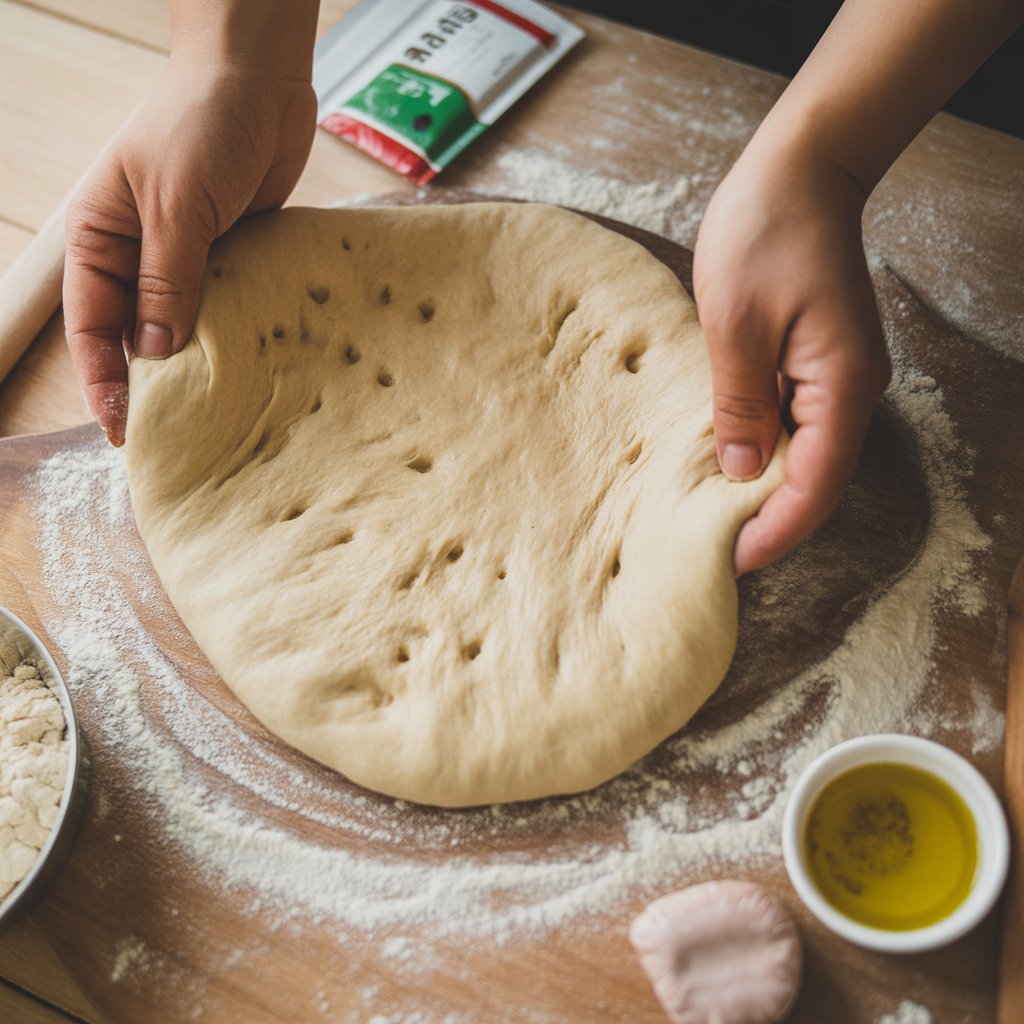
Making pizza dough that is soft, chewy, and easy to prepare is the dream of every home cook. Whether you are a beginner or an experienced baker, understanding the right techniques, ingredients, and tips will help you create the perfect pizza dough every single time. In this comprehensive guide, we will walk you through everything you need to know — from choosing the right flour to mastering the kneading process.
Why Does Pizza Dough Texture Matter?
The texture of pizza dough is what separates a mediocre pizza from an outstanding one. A soft and chewy crust provides that satisfying bite, holds toppings perfectly, and delivers an authentic pizzeria-style experience right at home. Achieving this texture depends on several key factors:
- Flour type – affects gluten development and chewiness
- Hydration level – determines softness and airiness
- Yeast activity – controls rise and flavor
- Kneading technique – builds structure and elasticity
- Resting time – develops flavor and tenderness
Ingredients You Need for Soft and Chewy Pizza Dough
Using the right ingredients in the correct proportions is the foundation of great pizza dough. Here is what you will need:
Basic Ingredients (Makes 2 medium pizza crusts)
- 3 ½ cups (440g) bread flour or all-purpose flour
- 1 packet (2 ¼ tsp / 7g) active dry yeast or instant yeast
- 1 ¼ cups (300ml) warm water (around 110°F / 43°C)
- 2 tablespoons olive oil
- 1 teaspoon sugar
- 1 ½ teaspoons salt
Understanding Each Ingredient
Flour
Bread flour is highly recommended for chewy pizza dough because it has a higher protein content (around 12–14%) compared to all-purpose flour. Higher protein means more gluten development, which gives your crust that satisfying chew. All-purpose flour works too and produces a slightly softer, less chewy result — great for beginners.
Yeast
Yeast is the living organism that makes your dough rise. You can use:
- Active dry yeast – needs to be dissolved and activated in warm water first
- Instant yeast – can be mixed directly into flour without proofing
- Fresh yeast – most flavorful but harder to find and shorter shelf life
Water Temperature
Water that is too hot (above 130°F / 54°C) will kill the yeast. Too cold water will slow or prevent activation. Aim for water that feels warm to the touch — around 105–115°F (40–46°C).
Olive Oil
Adding olive oil to pizza dough makes it softer, adds flavor, and makes the dough easier to stretch without tearing. It also helps create a slightly crispy exterior when baked.
Sugar
Sugar feeds the yeast, helping it activate faster. It also adds a subtle sweetness and helps the crust brown more evenly during baking.
Salt
Salt enhances flavor and also controls yeast activity. Be careful not to add salt directly in contact with yeast — it can inhibit yeast growth. Always mix salt with flour first.
Step-by-Step Instructions to Make Pizza Dough
Step 1: Activate the Yeast
If you are using active dry yeast, combine warm water, sugar, and yeast in a large bowl or measuring cup. Stir gently and let it sit for 5–10 minutes until it becomes frothy and bubbly. This process is called “proofing” the yeast and confirms it is alive and active.
If your yeast does not foam after 10 minutes, it may be expired or your water temperature was off. Start over with fresh yeast.
Note: If using instant yeast, you can skip this step and mix the yeast directly with the dry ingredients.
Step 2: Combine Dry Ingredients
In a large mixing bowl, whisk together the flour and salt until evenly combined. Make a well in the center of the flour mixture. This well will hold your wet ingredients.
Step 3: Mix the Dough
Pour the yeast mixture and olive oil into the well of the flour. Using a wooden spoon or your hands, mix everything together until a shaggy, rough dough forms. At this point, the dough may look messy — that is perfectly normal.
Step 4: Knead the Dough
Turn the dough out onto a lightly floured surface. Knead the dough for 8–10 minutes by hand, or 5–6 minutes using a stand mixer with a dough hook on medium speed.
To knead properly:
- Push the dough away from you with the heel of your hand
- Fold it back toward you
- Rotate the dough 90 degrees
- Repeat the process
The dough is ready when it is smooth, elastic, and slightly tacky but does not stick to your hands. You can do the “windowpane test” — stretch a small piece of dough between your fingers. If it stretches thin without tearing, gluten is well-developed.
Avoid over-flouring: Adding too much flour during kneading will make your dough dry and tough. If it sticks, lightly flour your hands instead of the surface.
Step 5: First Rise (Bulk Fermentation)
Shape the dough into a ball and place it in a lightly oiled bowl. Cover with plastic wrap or a clean kitchen towel. Let it rise in a warm place until it doubles in size — approximately 1 to 1.5 hours.
Tips for a good rise environment:
- Place the bowl in an oven with just the oven light on
- Set it near a warm stove
- Place the bowl in a slightly warm oven (around 80°F / 27°C)
Step 6: Punch Down and Divide
Once the dough has doubled, gently punch it down to release the gas. Turn it out onto a lightly floured surface and divide it into 2 equal portions for medium pizzas or keep it whole for one large pizza.
Step 7: Second Rest (Optional but Recommended)
Shape each portion into a ball, cover with a damp towel, and let them rest for 15–30 minutes. This relaxes the gluten, making the dough much easier to stretch and shape without springing back.
Step 8: Shape the Dough
On a lightly floured surface, flatten each dough ball using your fingertips. Work from the center outward, pressing gently to create a round shape. For a more authentic result, use your hands to stretch and toss the dough rather than a rolling pin.
Avoid using a rolling pin if possible — it compresses the air bubbles that create a light, chewy texture. Hand-stretching preserves that airy structure.
The Secret to Making Pizza Dough Extra Soft and Chewy
Secret 1: Use Bread Flour
As mentioned, bread flour creates more gluten, which directly contributes to a chewier texture. If you want an even chewier crust, try using “00” flour (Tipo 00), which is finely milled Italian flour used by Neapolitan pizzerias worldwide.
Secret 2: Don’t Skip the Oil
Olive oil keeps the dough moist and pliable. Some bakers also brush the edges of the shaped dough with olive oil before baking to ensure a golden, soft crust.
Secret 3: Cold Fermentation for Maximum Flavor
Instead of doing a room-temperature rise, refrigerate your dough for 24 to 72 hours. Cold fermentation slows yeast activity, allowing more complex flavors to develop. The result is a dough that is more flavorful, easier to digest, and with an incredible airy, chewy texture. Just remember to bring the dough to room temperature for 1–2 hours before shaping.
Secret 4: Proper Hydration
A slightly wetter dough (higher hydration) produces a softer, more open crumb. Professional pizza bakers often use a hydration level of 60–70% (water weight relative to flour weight). Beginners should start around 60% and adjust as they gain confidence handling wet dough.
Secret 5: Don’t Over-Bake
Baking your pizza at a very high temperature for a short time — ideally 475–550°F (245–290°C) — keeps the crust soft inside while getting a slightly crispy exterior. Baking at low temperatures for too long dries out the crust and makes it hard and cracker-like.
Baking Tips for the Perfect Pizza Crust
Use a Pizza Stone or Pizza Steel
A pizza stone or steel stores heat and transfers it directly to the dough when you slide the pizza in, mimicking the effect of a professional wood-fired oven. Preheat the stone or steel for at least 45–60 minutes before baking.
Preheat Your Oven to Maximum Temperature
Set your oven to its highest setting — usually 500–550°F (260–290°C). The intense heat is essential for a well-cooked crust that is soft inside and slightly charred on the outside.
Use a Pizza Peel or Parchment Paper
Transfer your shaped dough to a floured pizza peel (or onto a piece of parchment paper) before adding toppings. This makes it easy to slide the pizza onto the hot stone without losing its shape.
Do Not Overload Toppings
Less is more when it comes to pizza toppings. Piling on too many toppings adds extra moisture and weight, which can make the crust soggy and prevent it from cooking evenly.
Common Mistakes to Avoid
1. Using Water That is Too Hot or Too Cold
Water temperature is critical. Too hot kills the yeast; too cold prevents it from activating. Always use a thermometer or test the water on your wrist — it should feel comfortably warm.
2. Not Kneading Enough
Under-kneaded dough lacks sufficient gluten development, resulting in a dense, crumbly crust. Make sure you knead for the full recommended time.
3. Rushing the Rise
Skipping or shortening the rise time leads to dense dough with poor flavor. Give your dough the time it needs to develop properly.
4. Adding Too Much Flour
It is tempting to add more flour when dough is sticky, but resist the urge. Too much flour creates a dry, tough crust. A slightly sticky dough is actually a sign of good hydration.
5. Rolling Pin Overuse
Using a rolling pin flattens all the air pockets built up during fermentation. Hand-stretch whenever possible for a lighter, chewier result.
How to Store Pizza Dough
Refrigerator Storage
After the first rise, portion the dough into balls, coat each lightly with olive oil, and place in airtight containers or zip-lock bags. Store in the refrigerator for up to 3–5 days. The slow cold fermentation continues to develop flavor during this time.
Freezer Storage
For longer storage, freeze the dough balls after the first rise. Wrap each ball tightly in plastic wrap and place in a freezer bag. Frozen pizza dough keeps well for up to 3 months. To use, thaw overnight in the refrigerator, then bring to room temperature before shaping.
Quick Pizza Dough (No-Yeast Option)
If you are short on time and need pizza dough in under 30 minutes, here is a quick no-yeast alternative using baking powder:
Ingredients:
- 2 cups (250g) all-purpose flour
- 1 tablespoon baking powder
- ½ teaspoon salt
- ¾ cup (180ml) milk or plain yogurt
- 2 tablespoons olive oil
Instructions:
- Mix flour, baking powder, and salt together
- Add milk and olive oil, stir until dough comes together
- Knead briefly for 1–2 minutes
- Roll or stretch to desired thickness
- Top with your favorite sauce and toppings, then bake
This version is softer and less chewy than traditional yeast dough but works great when you need pizza in a hurry.
Frequently Asked Questions
Why is my pizza dough not rising?
The most common reason is dead yeast. Check the expiration date, and make sure your water was at the right temperature. Also ensure there are no drafts around the dough during rising.
Why is my pizza dough tough?
Tough dough usually means over-kneading, too much flour, or not enough resting time. Make sure to let gluten relax between kneading and shaping.
Can I use all-purpose flour instead of bread flour?
Yes, you can. All-purpose flour produces a slightly softer and less chewy crust. It is a perfectly acceptable substitute, especially for beginners.
How thin should I stretch pizza dough?
For a classic New York-style pizza, aim for about ¼ inch (6mm) thick. For a Neapolitan style, stretch even thinner in the center with a raised edge. For a thicker, bread-like crust (like Sicilian-style), leave it about ½ inch (12mm) thick.
Can I make pizza dough without a stand mixer?
Absolutely. Kneading by hand is a great workout and produces excellent results. Just be sure to knead for the full 8–10 minutes and pay attention to the dough’s texture.
Final Thoughts
Making soft, chewy, and easy pizza dough at home is completely achievable with the right ingredients and techniques. The key takeaways are: use bread flour for chewiness, keep water at the right temperature, knead properly to build gluten, and give the dough enough time to rise. For the most flavorful dough, try cold fermentation in the refrigerator overnight — you will taste the difference immediately.
Once you master the basics, feel free to experiment with different flours, hydration levels, and fermentation times to discover your perfect pizza dough recipe. Happy baking!