
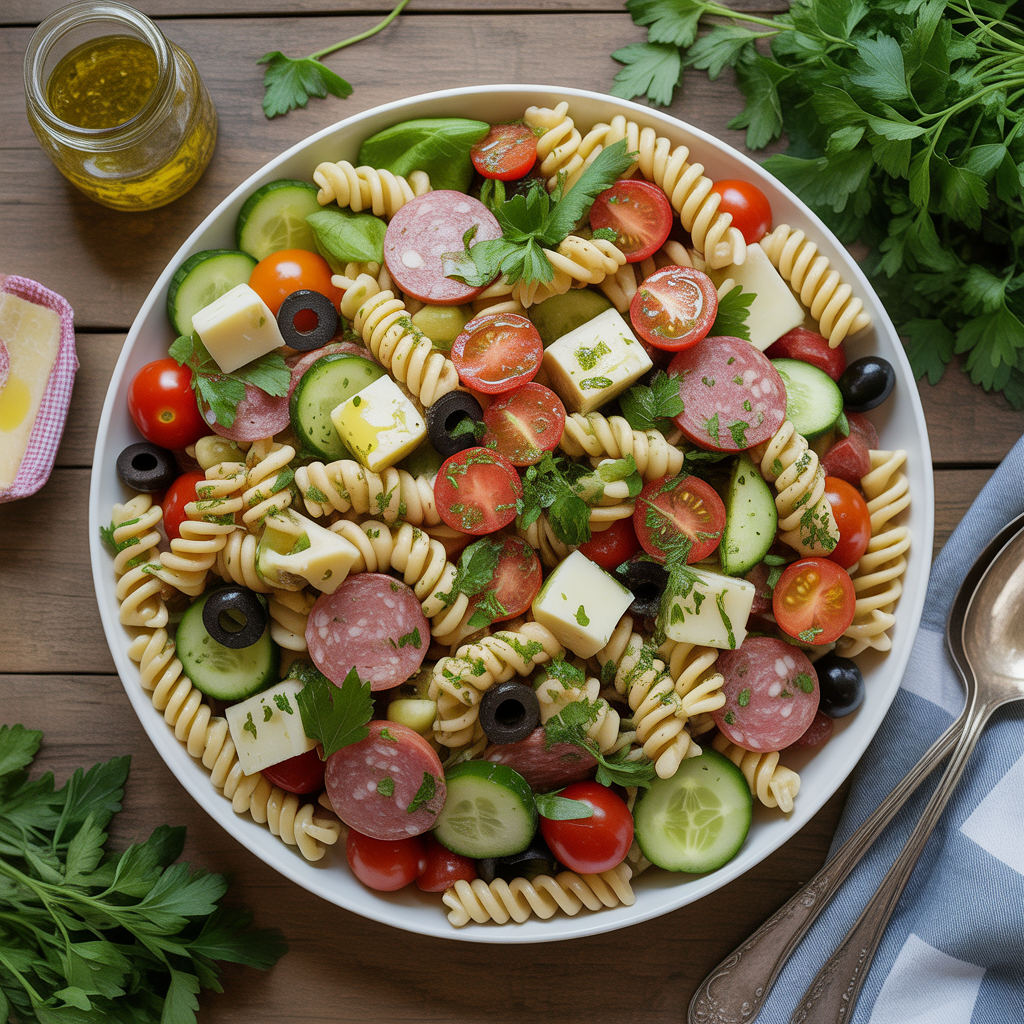
Pasta salad is one of those crowd-pleasing dishes that seems simple enough — until you bite into a dry, clumped-up bowl of noodles at your next picnic or potluck. The secret to a pasta salad that actually stays fresh, flavorful, and satisfying lies in a handful of smart techniques that most home cooks overlook. Whether you’re making it ahead for meal prep, a summer barbecue, or a quick weeknight dinner, this guide covers everything you need to know.
Why Pasta Salad Often Goes Wrong
Before diving into the how-to, it helps to understand the most common mistakes that ruin pasta salad:
- Overcooked pasta that becomes mushy once dressed
- Under-seasoned cooking water that results in bland noodles
- Adding dressing too early or too late, leading to dry or soggy results
- Using the wrong pasta shape that can’t hold the dressing
- Skipping the rinse step incorrectly — rinsing at the wrong time affects texture
Understanding these pitfalls sets you up for success every single time.
Choosing the Right Pasta Shape
Not all pasta is created equal when it comes to salads. You want shapes with nooks, ridges, and curves that can grab onto dressing and mix-ins rather than letting everything slide off.
- Rotini – The spiral shape holds dressing exceptionally well
- Farfalle (bow ties) – Great texture and visual appeal
- Fusilli – Similar to rotini, excellent for chunky add-ins
- Penne – The hollow tube captures dressing inside
- Orecchiette – Cup-shaped, perfect for catching small vegetables or herbs
- Cavatappi – Corkscrew shape holds up beautifully in heartier salads
Avoid long pasta like spaghetti or linguine, which are difficult to toss and eat in a salad format.
Cooking Pasta Perfectly for Salad
The way you cook your pasta makes or breaks the final dish. Follow these steps carefully:
Step 1: Use Plenty of Salted Water
Bring a large pot of water to a rolling boil. Add a generous amount of salt — your water should taste like mild sea water. This is your only chance to season the pasta from the inside out. Under-salted pasta will taste flat no matter how much dressing you add later.
Step 2: Cook to Al Dente — Or Slightly Firmer
For pasta salad, cook your pasta 1 to 2 minutes less than the package directions suggest. Since the pasta will continue to absorb moisture from the dressing as it sits, starting slightly firmer ensures it won’t become mushy by the time you serve it. Taste frequently as it cooks.
Step 3: Rinse with Cold Water (Yes, Really)
Unlike pasta for hot dishes, rinsing pasta salad pasta is not only acceptable — it’s recommended. Rinsing stops the cooking process immediately and removes excess surface starch that would cause the pasta to clump together. Run cold water over the pasta in a colander until it is completely cooled.
Step 4: Toss with a Little Oil
After draining and rinsing, toss the pasta with a small drizzle of olive oil to prevent sticking while you prepare the other ingredients. This step is especially useful if you’re making the pasta ahead of time.
Making the Best Pasta Salad Dressing
The dressing is the heart of any pasta salad. There are two main styles, and both can be done beautifully:
Italian / Vinaigrette-Style Dressing
This oil-and-vinegar-based option is lighter, tangy, and keeps very well in the refrigerator without separating too badly. A classic ratio is:
- 3 parts olive oil to 1 part red wine vinegar or white wine vinegar
- 1 teaspoon Dijon mustard (acts as an emulsifier)
- 1 clove garlic, minced
- 1 teaspoon dried Italian herbs (oregano, basil, thyme)
- Salt, black pepper, and a pinch of sugar to balance
Whisk everything together vigorously, or shake in a mason jar. Taste and adjust seasoning before tossing.
Creamy Dressing (Mayo or Greek Yogurt Based)
Creamy pasta salads are comfort food at its finest. For a crowd-pleasing version:
- ½ cup mayonnaise (or substitute Greek yogurt for a lighter version)
- 2 tablespoons apple cider vinegar or lemon juice
- 1 teaspoon sugar or honey
- Salt, pepper, garlic powder, and dried dill or celery seed
Mix well and thin with a splash of pasta cooking water or milk if the dressing feels too thick. Creamy dressings tend to get absorbed more quickly, so always hold a few tablespoons back to refresh the salad before serving.
The Best Ingredients to Add
A great pasta salad balances texture, color, flavor, and nutrition. Mix and match from these categories:
Vegetables
- Cherry tomatoes, halved
- Cucumber, diced
- Bell peppers (red, yellow, or orange for sweetness)
- Red onion, thinly sliced
- Black or kalamata olives
- Artichoke hearts
- Broccoli florets (blanched briefly)
- Sun-dried tomatoes
- Roasted red peppers
Proteins
- Salami or pepperoni (classic Italian combo)
- Grilled or rotisserie chicken
- Canned tuna or salmon
- Hard-boiled eggs
- Chickpeas or white beans (great vegetarian option)
- Cooked shrimp
- Cubed ham
Cheese
- Fresh mozzarella balls (ciliegine)
- Cubed provolone
- Feta crumbles
- Shaved Parmesan
- Cheddar cubes (for a more American-style salad)
Fresh Herbs and Finishing Touches
- Fresh basil, torn
- Flat-leaf parsley, chopped
- Fresh dill
- Chives
- A squeeze of fresh lemon juice just before serving
How to Assemble Pasta Salad Correctly
The order of assembly matters more than most people realize:
- Start with warm pasta (if making fresh) — slightly warm pasta absorbs the first layer of dressing far better than cold pasta does.
- Add half the dressing to the pasta and toss well. Let it sit for 10 minutes to absorb.
- Add your vegetables, proteins, and cheese. Toss gently to combine without breaking delicate ingredients.
- Add the remaining dressing and toss again. This two-stage dressing method ensures the pasta is flavorful and the salad is not over-dressed.
- Taste and season — pasta salads often need more salt than you expect. Also check for acidity; sometimes an extra splash of vinegar or lemon brightens everything up.
- Refrigerate for at least 30 minutes before serving to allow flavors to meld.
How to Keep Pasta Salad Fresh Longer
This is where most people struggle. Here are the most effective strategies to keep your pasta salad tasting as good on day two or three as it did on day one:
Reserve Some Dressing
Always make more dressing than you think you need and store extra separately. Pasta absorbs dressing as it sits in the refrigerator. When you pull the salad out to serve, toss it with the reserved dressing to bring it back to life.
Add Delicate Ingredients Just Before Serving
Fresh herbs, tomatoes, avocado, and fresh mozzarella are best added at the last minute. Tomatoes release water and dilute the dressing; avocado browns quickly; herbs wilt. Adding these just before serving keeps everything looking and tasting vibrant.
Store Properly
Use an airtight container and press a sheet of plastic wrap directly against the surface of the salad before putting on the lid. This minimizes air exposure and slows the drying-out process. Store in the coldest part of your refrigerator, not the door.
Do Not Freeze Pasta Salad
Freezing pasta salad is not recommended. The pasta becomes mushy upon thawing, mayonnaise-based dressings separate, and vegetables lose their texture entirely.
Keep It Cold at Events
If you’re serving pasta salad at an outdoor event, set the bowl inside a larger bowl filled with ice. Do not leave creamy pasta salad out for more than 2 hours (or 1 hour in hot weather above 90°F / 32°C). For vinaigrette-based salads, the window is slightly longer, but it is still best to keep it chilled.
How Long Does Pasta Salad Last in the Refrigerator?
When stored properly in an airtight container:
- Vinaigrette-based pasta salad: 4 to 5 days
- Creamy (mayo-based) pasta salad: 3 to 4 days
After this window, the quality degrades significantly even if the salad is technically safe to eat. For the best flavor and texture, plan to consume pasta salad within 3 days.
Make-Ahead Tips for Pasta Salad
Pasta salad is ideal for meal prep and making ahead. Here is how to do it strategically:
- Cook and dress the pasta up to 24 hours ahead. Store with half the dressing in the fridge.
- Prep all vegetables and proteins separately and store in individual containers or bags.
- Combine everything 1 to 2 hours before serving so the vegetables retain their texture and color.
- Add fresh herbs and remaining dressing right before serving and toss well.
Classic Italian Pasta Salad Recipe
Here is a reliable, delicious recipe to put all these tips into practice:
Ingredients (Serves 6–8)
- 1 pound (450g) rotini or fusilli pasta
- ½ cup salami, sliced into strips
- ½ cup provolone, cubed
- 1 cup cherry tomatoes, halved
- 1 cup cucumber, diced
- ½ cup black olives, sliced
- ½ cup roasted red peppers, sliced
- ¼ cup red onion, thinly sliced
- ¼ cup fresh parsley, chopped
For the Dressing
- ½ cup olive oil
- 3 tablespoons red wine vinegar
- 1 teaspoon Dijon mustard
- 1 teaspoon dried oregano
- ½ teaspoon garlic powder
- Salt and black pepper to taste
- Pinch of sugar
Instructions
- Cook pasta in heavily salted water until just al dente (or 1 minute under). Drain and rinse under cold water.
- Whisk all dressing ingredients together in a small bowl or shake in a jar. Taste and adjust.
- Toss warm rinsed pasta with half the dressing immediately. Let sit 10 minutes.
- Add all remaining ingredients and toss gently.
- Add remaining dressing, toss again, and season with additional salt and pepper.
- Refrigerate at least 30 minutes. Toss once more before serving, adding a fresh drizzle of olive oil if needed.
Variations to Try
Once you’ve mastered the basics, try these popular variations:
- Greek Pasta Salad: Add feta, Kalamata olives, cucumber, red onion, and cherry tomatoes with a lemon-herb vinaigrette
- BLT Pasta Salad: Crispy bacon, cherry tomatoes, romaine, and a creamy ranch dressing
- Southwest Pasta Salad: Black beans, corn, avocado, jalapeño, and a cilantro-lime dressing
- Caprese Pasta Salad: Fresh mozzarella, basil, cherry tomatoes, and a balsamic glaze
- Tuna Pasta Salad: Canned tuna, celery, peas, red onion, and a creamy lemon-dill dressing
Final Tips for Perfect Pasta Salad Every Time
- Season aggressively — cold temperatures mute flavor, so pasta salad needs more salt and acid than you think
- Taste after chilling and adjust before serving
- Don’t skip the resting time — at least 30 minutes in the fridge is non-negotiable for flavor development
- Always save extra dressing for refreshing leftovers
- Use quality ingredients — great olive oil, fresh vegetables, and good cheese make a noticeable difference
With the right pasta shape, properly seasoned cooking water, well-balanced dressing, and smart storage habits, your pasta salad will be the dish everyone asks about — and the one that actually tastes just as good the next day as it did the first. Now grab a pot, salt that water generously, and get cooking.