
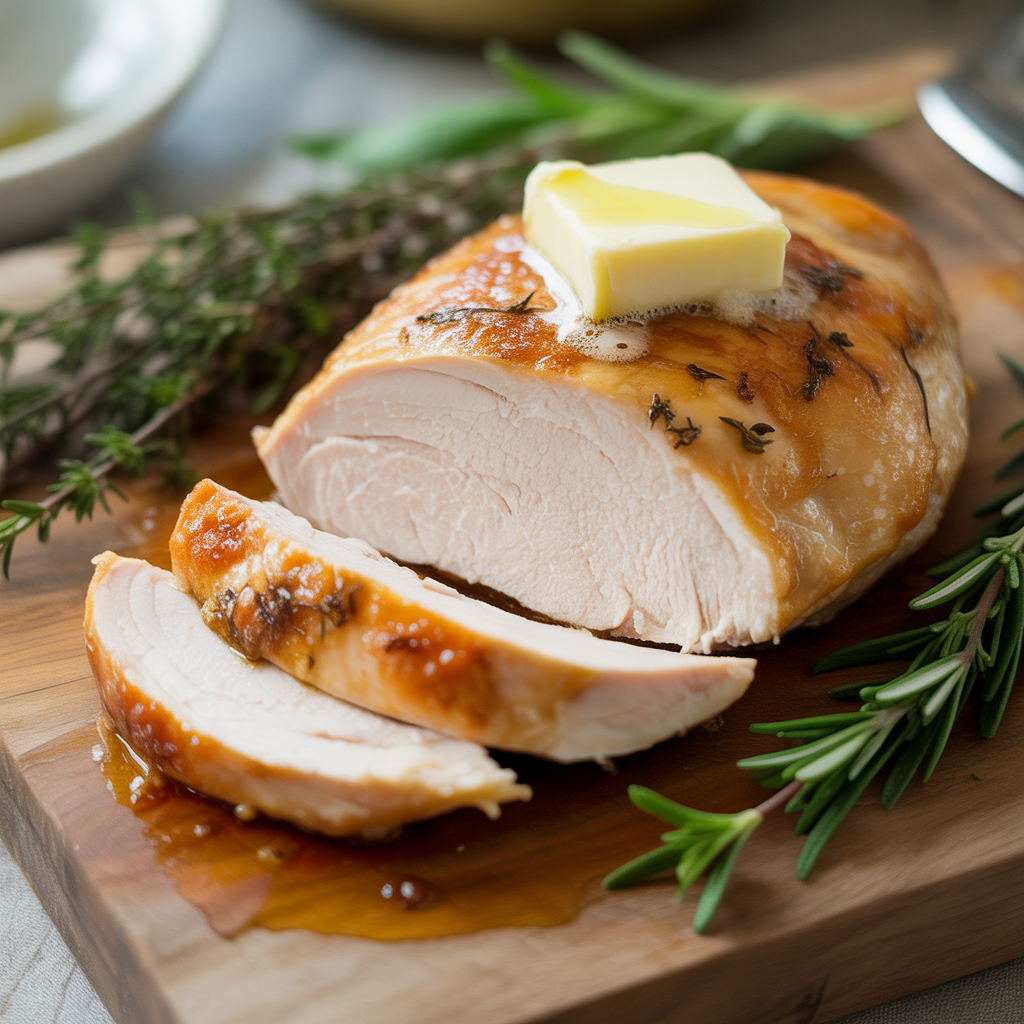
Cooking chicken that turns out juicy and tender every single time is one of the most sought-after skills in the kitchen. Whether you’re a beginner or an experienced home cook, dry, rubbery chicken is a frustration everyone has faced. The good news? With the right techniques, tools, and a bit of know-how, you can consistently cook chicken that is moist, flavorful, and perfectly done. This comprehensive guide covers everything you need to know — from selecting the right cut to resting your meat properly before serving.
Understanding Why Chicken Dries Out
Before diving into solutions, it helps to understand the problem. Chicken dries out primarily due to overcooking. When chicken is exposed to high heat for too long, the muscle fibers contract and squeeze out moisture, leaving the meat tough and dry. The breast meat is especially vulnerable because it contains very little fat compared to thighs or drumsticks.
Other contributing factors include:
- Cooking directly from the refrigerator (cold center = uneven cooking)
- Skipping the brining or marinating step
- Not using a meat thermometer
- Cutting into the chicken too soon after cooking
- Using the wrong cooking method for the cut
Choosing the Right Cut of Chicken
Not all chicken cuts behave the same way during cooking. Understanding which cut to use for which method is a fundamental step toward juicy results.
- Chicken thighs: The most forgiving cut. Higher fat content keeps them moist even if slightly overcooked. Perfect for baking, grilling, braising, and stir-frying.
- Chicken breasts: Lean and prone to drying out. Best results with careful temperature control, brining, or pounding to even thickness.
- Drumsticks and wings: Great for roasting and frying. The skin and bone help retain moisture.
- Whole chicken: Ideal for roasting. The bone and skin act as natural insulators, keeping the meat moist.
Start with Brining: The Secret to Juicy Chicken
Brining is one of the most effective ways to ensure your chicken stays moist. It works by allowing the chicken to absorb extra moisture and salt before cooking, which helps it retain those fluids during the cooking process.
Wet Brine
A basic wet brine consists of water, salt, and optionally sugar and aromatics. Here’s a simple recipe:
- 4 cups of cold water
- 3 tablespoons of kosher salt
- 1 tablespoon of sugar (optional)
- Herbs and spices of your choice (garlic, peppercorns, bay leaves, thyme)
Dissolve the salt and sugar in water, submerge the chicken, and refrigerate for at least 30 minutes for breasts or up to 4 hours. For a whole chicken, brine overnight. Always rinse and pat dry before cooking.
Dry Brine
A dry brine involves rubbing the chicken generously with salt (and any other seasonings) and letting it rest uncovered in the refrigerator for several hours or overnight. This draws out moisture, then reabsorbs it back into the meat along with the seasoning. Dry brining also promotes crispy skin on roasted chicken.
Marinating for Flavor and Moisture
While a marinade isn’t as effective as brining at adding moisture, it does add tremendous flavor and can tenderize the meat. A good marinade includes three components:
- Acid: Lemon juice, vinegar, yogurt, or buttermilk — helps break down muscle fibers
- Fat: Olive oil, coconut milk — helps carry fat-soluble flavors into the meat
- Flavorings: Garlic, herbs, spices, soy sauce, honey
Pro tip: Avoid marinating for too long in highly acidic mixtures (more than 2 hours for thin cuts) as the acid can break down the protein too much, resulting in a mushy texture.
Pound Chicken Breasts to an Even Thickness
One of the simplest tricks for juicy chicken breasts is to pound them to an even thickness of about ¾ inch. Thick spots take longer to cook, meaning the thinner areas overcook and dry out while you wait for the center to reach a safe temperature. Use a meat mallet or a rolling pin and a zip-lock bag to pound the chicken evenly before cooking.
Bring Chicken to Room Temperature Before Cooking
Take your chicken out of the refrigerator 20–30 minutes before cooking. Starting with cold chicken means the outside will cook much faster than the inside, leading to uneven doneness and potential dryness on the exterior before the center reaches a safe temperature.
Use the Right Cooking Temperature
Temperature management is perhaps the single most important factor in juicy chicken. The internal temperature you’re aiming for is:
- Chicken breasts: 160–165°F (71–74°C)
- Chicken thighs and drumsticks: 165–175°F (74–79°C)
- Whole chicken: 165°F (74°C) in the thickest part of the thigh, away from bone
Invest in a quality instant-read meat thermometer. It is the single most reliable tool for cooking chicken perfectly every time. Don’t rely solely on visual cues or time estimates.
Cooking Methods That Keep Chicken Juicy
1. Pan-Searing on the Stovetop
Pan-searing creates a beautiful golden crust while locking in juices. Here’s how to do it right:
- Pat the chicken completely dry with paper towels — moisture is the enemy of a good sear.
- Season generously with salt and pepper.
- Heat a heavy-bottomed skillet (cast iron is ideal) over medium-high heat with oil until shimmering.
- Place chicken smooth-side down and do not move it for 5–7 minutes.
- Flip once and cook until internal temperature reaches 165°F.
- Finish with a pat of butter, crushed garlic, and fresh herbs, basting the chicken.
2. Oven Baking
Baking is one of the most hands-off methods. For juicy baked chicken:
- Preheat oven to 400–425°F (200–220°C).
- Use a baking dish or sheet pan with sides to catch juices.
- Coat chicken with olive oil and season well.
- Bake bone-in pieces for 35–45 minutes, boneless breasts for 20–25 minutes.
- Always check with a thermometer before removing from oven.
Optional: Cover the baking dish with foil for the first half of cooking to trap steam and moisture, then uncover to allow the exterior to brown.
3. The Reverse Sear Method
This technique is excellent for thick chicken breasts. Cook the chicken low and slow in a 275°F (135°C) oven until it reaches about 150°F internally, then sear it in a very hot pan for 1–2 minutes per side. This gives you edge-to-edge even cooking with a perfectly browned crust.
4. Poaching
Poaching is an underrated method for incredibly moist, tender chicken — perfect for shredding into salads, sandwiches, or soups.
- Place chicken breasts in a pot and cover with cold water or broth.
- Add aromatics: garlic, onion, bay leaf, peppercorns, thyme.
- Bring to a gentle simmer over medium heat — never a rolling boil.
- Cook for 10–15 minutes until internal temperature reaches 165°F.
- Let chicken rest in the poaching liquid for extra moisture.
5. Grilling
Grilling adds smoky flavor but can easily dry out chicken without the right approach:
- Always brine or marinate before grilling.
- Preheat grill and oil the grates well.
- Use two-zone cooking — start over high heat to sear, then move to indirect heat to finish.
- Keep the lid closed as much as possible to maintain even heat.
- Avoid pressing down on the chicken — this squeezes out precious juices.
6. Slow Cooking (Crockpot)
Slow cookers produce incredibly tender, fall-apart chicken with minimal effort. The low, moist heat environment prevents drying out. Add chicken with some liquid (broth, salsa, or sauce) and cook on low for 6–8 hours or high for 3–4 hours. This method works especially well for chicken thighs and whole legs.
7. Sous Vide
Sous vide is a professional technique that delivers the most consistently juicy chicken possible. Vacuum-seal seasoned chicken and cook it in a precisely temperature-controlled water bath — typically at 140–145°F (60–63°C) for chicken breasts for 1–4 hours. Finish with a quick high-heat sear for color and texture. The result is impossibly juicy and perfectly cooked throughout.
The Role of Fat in Keeping Chicken Moist
Fat is your friend when it comes to moisture. Here are a few ways to use fat strategically:
- Butter under the skin: For roasting, push softened herb butter directly under the skin of the chicken before cooking. The fat bastes the meat from the inside as it melts.
- Basting while cooking: Spoon pan drippings or melted butter over the chicken every 15–20 minutes during roasting.
- Finishing with butter: When pan-searing, add a knob of butter toward the end of cooking and tilt the pan to baste continuously.
- Marinating in oil: Coating chicken in olive oil before cooking creates a barrier that helps slow moisture loss.
Always Rest Your Chicken After Cooking
This step is non-negotiable. When you remove chicken from heat, the juices are hot and agitated throughout the meat. If you cut into it immediately, those juices run out onto your cutting board. By resting the chicken, the juices redistribute and are reabsorbed into the muscle fibers.
- Chicken breasts and thighs: Rest for 5 minutes
- Bone-in pieces: Rest for 5–10 minutes
- Whole chicken: Rest for 15–20 minutes
Tent the chicken loosely with aluminum foil while resting to keep it warm without trapping steam that could soften a crispy skin.
How to Fix Overcooked or Dry Chicken
If your chicken has already turned out dry, don’t despair. Here are some rescue strategies:
- Slice and serve with sauce: A rich pan sauce, gravy, or creamy mushroom sauce can add moisture and mask dryness.
- Shred and moisten: Shred the chicken and toss it with broth, olive oil, or barbecue sauce.
- Add to soups or stews: Dry chicken reconstitutes beautifully when simmered in a flavorful broth.
- Make chicken salad: Mix with mayo, mustard, celery, and seasonings for a delicious chicken salad where moisture isn’t an issue.
Bonus Tips for Perfectly Juicy Chicken Every Time
- Buy air-chilled chicken: Air-chilled chicken retains less water than water-chilled chicken, resulting in better flavor and texture during cooking.
- Don’t overcrowd the pan: If chicken pieces are too close together, they steam rather than sear, which affects texture.
- Use a cast iron skillet or stainless steel pan: These retain heat better than non-stick pans and create a better sear.
- Season generously: Proper seasoning with salt is key to flavor, and salt also helps with moisture retention.
- Avoid piercing the chicken while cooking: Use tongs instead of a fork to turn pieces, as piercing lets juices escape.
- Slice against the grain: This shortens the muscle fibers, making each bite more tender and easier to chew.
Quick Reference: Best Cooking Method by Cut
| Chicken Cut | Best Cooking Methods | Target Internal Temp |
|---|---|---|
| Boneless Breast | Pan-sear, bake, poach, sous vide | 165°F (74°C) |
| Bone-in Breast | Roast, bake, grill | 165°F (74°C) |
| Chicken Thighs | Braise, pan-sear, grill, slow cook | 165–175°F (74–79°C) |
| Drumsticks | Roast, grill, slow cook | 165–175°F (74–79°C) |
| Whole Chicken | Roast, spatchcock and grill | 165°F (74°C) in thigh |
| Wings | Bake, fry, air fry, grill | 165°F (74°C) |
Final Thoughts
Cooking juicy, tender chicken is completely achievable once you understand the underlying principles: moisture management, precise temperature control, proper technique for each cut, and giving the meat time to rest. Whether you’re pan-searing a quick weeknight chicken breast or slow-roasting a whole bird for a Sunday dinner, the tips in this guide will elevate your results dramatically.
The most important investment you can make? A reliable instant-read thermometer. Combine that with brining, proper heat management, and resting, and you’ll never serve dry chicken again. Practice these techniques consistently, and juicy, flavorful chicken will become second nature in your kitchen.