
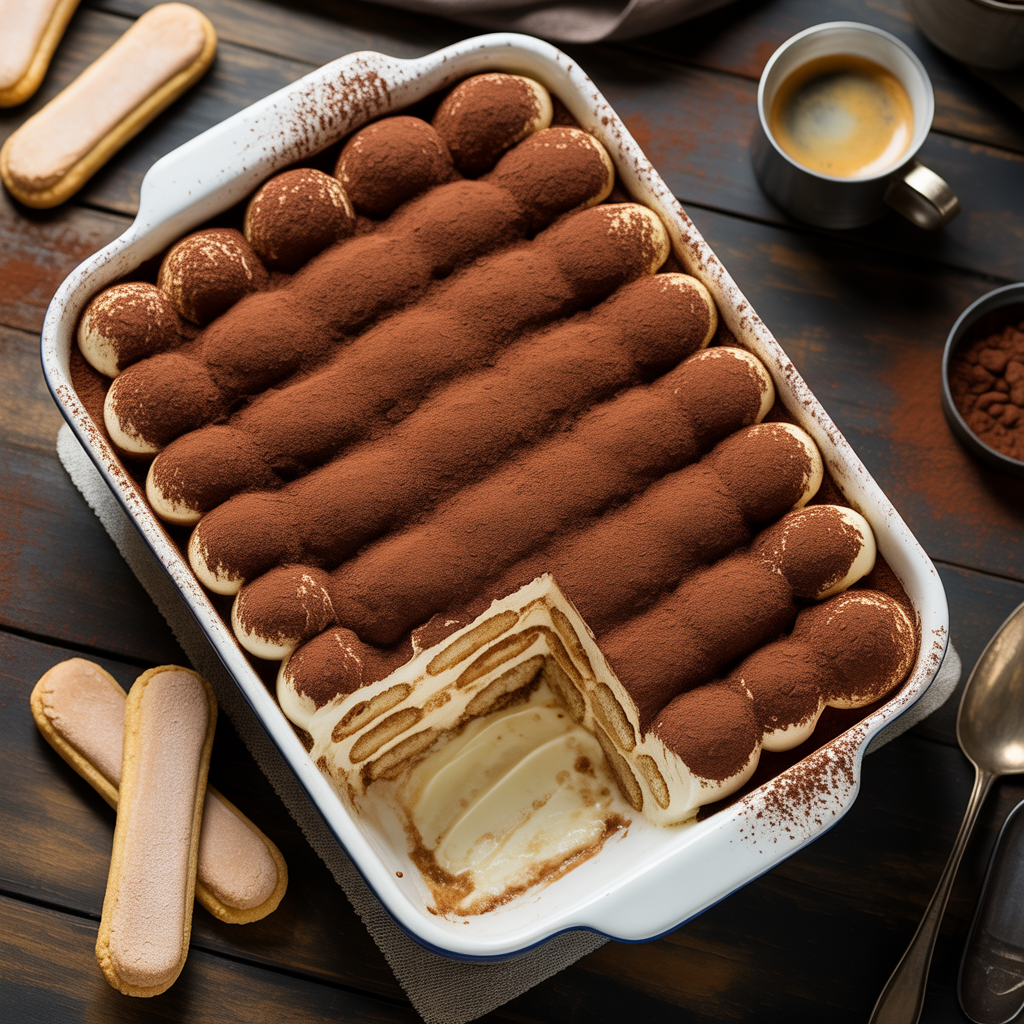
If you’ve ever dreamed of making a restaurant-quality dessert at home without turning on the oven, tiramisu is your answer. This beloved Italian classic is rich, creamy, and deeply satisfying — layered with coffee-soaked ladyfingers and a silky mascarpone cream. The best part? It’s completely no-bake, making it perfect for any season and any skill level.
In this guide, you’ll learn everything you need to know: the essential ingredients, step-by-step instructions, tips for getting the creamiest texture, common mistakes to avoid, and answers to the most frequently asked questions about making tiramisu at home.
What Is Tiramisu?
Tiramisu (pronounced teer-ah-mee-SOO) is a classic Italian dessert whose name literally translates to “pick me up” or “lift me up” — a nod to its energizing combination of espresso and sugar. It originated in the Veneto region of Italy in the 1960s and has since become one of the most popular desserts in the world.
Traditional tiramisu is made with just a handful of ingredients: ladyfinger biscuits (savoiardi), espresso, mascarpone cheese, eggs, sugar, and cocoa powder. No gelatin, no heavy cream in the classic version — just pure, simple ingredients layered together into something extraordinary.
Ingredients You’ll Need
Before you start, gather these ingredients. This recipe serves approximately 8–10 people in a standard 9×13 inch (23×33 cm) dish.
For the Mascarpone Cream:
- 6 large egg yolks
- ¾ cup (150g) granulated white sugar
- 1 lb (450g) mascarpone cheese, at room temperature
- 1½ cups (360ml) heavy whipping cream, cold
- 1 teaspoon pure vanilla extract
For the Coffee Soak:
- 1½ cups (360ml) strong brewed espresso or very strong coffee, cooled to room temperature
- 2 tablespoons coffee liqueur such as Kahlúa or Tia Maria (optional but recommended)
- 1 tablespoon granulated sugar (optional, to sweeten the soak)
For Assembly:
- 24–30 ladyfinger biscuits (savoiardi), depending on your dish size
- 2–3 tablespoons unsweetened cocoa powder, for dusting
- Optional: dark chocolate shavings for garnish
Ingredient Notes & Substitutions:
- Mascarpone cheese: Do not substitute with cream cheese — the flavor and texture will be noticeably different. Mascarpone is creamier and less tangy.
- Eggs: This recipe uses raw egg yolks. If you’re concerned about raw eggs, see the pasteurized egg tip in the FAQ section below.
- Ladyfingers: Use the hard, dry Italian savoiardi type (not the soft cake-like kind) for best results. They absorb coffee without falling apart.
- Alcohol-free version: Simply omit the liqueur and add an extra splash of espresso or a teaspoon of vanilla extract.
Equipment Needed
- Large mixing bowl
- Electric hand mixer or stand mixer
- Whisk
- Shallow dish or bowl for dipping ladyfingers
- 9×13 inch (23×33 cm) baking dish or a similar deep serving dish
- Fine mesh sieve or sifter for cocoa dusting
- Plastic wrap
Step-by-Step Instructions
Step 1: Make the Whipped Egg Yolk Mixture
In a large bowl, combine the egg yolks and sugar. Using an electric mixer, beat them together on medium-high speed for about 4–5 minutes, until the mixture becomes thick, pale yellow, and creamy. It should fall in thick ribbons when you lift the beater.
This step is important because it dissolves the sugar and creates a stable, airy base for your cream. Don’t rush it.
Step 2: Incorporate the Mascarpone
Add the room-temperature mascarpone cheese and vanilla extract to the egg yolk mixture. Beat on low speed until just combined — about 30–45 seconds. Be careful not to overmix at this stage, as mascarpone can become grainy if worked too hard. Set aside.
Step 3: Whip the Heavy Cream
In a separate clean bowl, pour in the cold heavy whipping cream. Beat with an electric mixer on medium-high speed until stiff peaks form, typically 3–4 minutes. The cream should hold its shape firmly when you lift the beaters.
Tip: Make sure your bowl and beaters are cold. Chill them in the freezer for 10 minutes before whipping for best results.
Step 4: Fold the Cream into the Mascarpone Mixture
Gently fold the whipped cream into the mascarpone mixture in two additions using a rubber spatula. Use a slow, sweeping motion from the bottom of the bowl upward to keep the mixture as light and airy as possible. Do not stir or mix vigorously — folding preserves all those tiny air bubbles that make the cream incredibly light and mousse-like.
Your mascarpone cream should now be thick, silky, and perfectly smooth. Set it aside.
Step 5: Prepare the Coffee Soak
Combine the cooled espresso, coffee liqueur (if using), and sugar (if using) in a shallow bowl or dish. Stir to dissolve the sugar. Make sure the espresso has fully cooled to room temperature — hot coffee will make the ladyfingers too soggy.
Step 6: Dip the Ladyfingers
One at a time, quickly dip each ladyfinger into the coffee mixture. The key word here is quickly — about 1–2 seconds per side. You want the ladyfinger to absorb the coffee but not become saturated. A quick dip creates a moist interior layer without a mushy, soggy texture.
Tip: Hold the ladyfinger horizontally and dip one side, then flip. They should feel slightly soft but still hold their shape.
Step 7: Build the First Layer
Arrange the dipped ladyfingers in a single layer on the bottom of your dish. Place them side by side, snapping pieces in half if needed to fill the gaps and cover the bottom completely.
Step 8: Spread the First Layer of Cream
Spoon approximately half of the mascarpone cream over the ladyfinger layer. Use a spatula or the back of a spoon to spread it evenly all the way to the edges. Smooth the top as flat as possible.
Step 9: Repeat for the Second Layer
Dip the remaining ladyfingers in the coffee soak and arrange them in a second layer over the cream, just as you did before. Then spread the remaining mascarpone cream on top, smoothing it evenly.
Step 10: Dust with Cocoa and Chill
Using a fine mesh sieve, generously dust the top with unsweetened cocoa powder. Don’t be shy — a thick layer of cocoa gives tiramisu its characteristic bittersweet finish that balances the richness of the cream.
Cover the dish tightly with plastic wrap and refrigerate for at least 6 hours, but ideally overnight (8–12 hours). This resting time is not optional — it allows the ladyfingers to fully absorb the cream and coffee, creating that perfectly soft, unified texture that makes tiramisu so irresistible.
Step 11: Serve and Enjoy
When ready to serve, remove from the refrigerator and dust with a little extra cocoa powder if desired. You can also add dark chocolate shavings on top for an elegant presentation. Cut into squares and serve chilled using a flat spatula or serving spoon.
Pro Tips for the Creamiest, Most Perfect Tiramisu
1. Use High-Quality Ingredients
Because tiramisu has so few components, quality matters enormously. Use real Italian mascarpone, strong freshly brewed espresso, and good cocoa powder (Dutch-process is ideal for a darker, richer flavor).
2. Don’t Skip the Chilling Time
We cannot stress this enough: overnight chilling is the difference between good tiramisu and great tiramisu. The dessert needs time to set, and the flavors need time to meld. Serving it too soon results in a loose, watery cream and ladyfingers that haven’t fully softened.
3. Bring Mascarpone to Room Temperature
Cold mascarpone is stiff and can become lumpy or grainy when mixed. Let it sit at room temperature for 30–45 minutes before using it.
4. Don’t Oversoak the Ladyfingers
This is the most common mistake beginners make. Over-soaked ladyfingers turn mushy, and the whole dessert becomes watery. Remember: a quick 1–2 second dip is all they need. The cream will continue to moisten them during the chilling period.
5. Whip the Cream to Stiff Peaks
Soft or medium peaks won’t give you the structure you need. Make sure your whipped cream holds firm peaks before folding it into the mascarpone. This is what gives tiramisu its light, cloud-like texture.
6. Fold Gently
Once you start folding the whipped cream into the mascarpone mixture, do it slowly and deliberately. Aggressive mixing will deflate the cream and result in a dense, heavy filling.
How to Make It Ahead
Tiramisu is one of the best make-ahead desserts out there. Here’s how to plan ahead:
- 1 day ahead: Assemble the entire tiramisu, cover, and refrigerate. It will be perfectly set and flavored by the next day.
- 2 days ahead: Tiramisu actually gets better with time up to about 48 hours. The flavors deepen and the texture becomes more uniform.
- Beyond 2 days: Tiramisu will keep in the refrigerator for up to 4 days, though the texture may start to soften slightly and the cocoa on top may absorb into the cream. A fresh dusting of cocoa before serving fixes this easily.
Can You Freeze Tiramisu?
Yes! Tiramisu freezes surprisingly well. Here’s how:
- Assemble the tiramisu as directed but do not dust the cocoa powder on top yet.
- Cover tightly with plastic wrap, then wrap in aluminum foil.
- Freeze for up to 3 months.
- To serve, thaw overnight in the refrigerator. Once thawed, dust with fresh cocoa powder before serving.
Note: The texture may be very slightly different after freezing, but most people find it completely delicious.
Serving Suggestions
Tiramisu is delightful on its own, but here are a few ways to elevate the experience:
- Serve alongside a small shot of espresso or an after-dinner coffee.
- Pair with a glass of Vin Santo, Marsala wine, or a creamy coffee liqueur.
- Garnish individual portions with a single chocolate-covered espresso bean for a sophisticated touch.
- Serve in individual glasses or mason jars for a beautiful, personal presentation at dinner parties.
Variations on Classic Tiramisu
Once you’ve mastered the classic recipe, try these creative variations:
Chocolate Tiramisu
Replace the espresso soak with hot chocolate (cooled) or add 2 tablespoons of dark cocoa powder to the mascarpone cream for an extra-rich chocolate flavor.
Strawberry Tiramisu
Replace the coffee soak with a strawberry juice or strawberry-flavored syrup. Layer fresh sliced strawberries between the cream layers for a fresh, fruity twist.
Lemon Tiramisu
Use limoncello instead of coffee liqueur and a lemon syrup instead of espresso. Add lemon zest to the mascarpone cream for a bright, citrusy dessert.
Tiramisu Cups (Individual Portions)
Layer ingredients in individual glasses or ramekins instead of a large dish. This is perfect for dinner parties and makes for a stunning presentation.
Boozy Tiramisu
Add rum, Amaretto, or brandy to the espresso soak for a more pronounced grown-up flavor.
Frequently Asked Questions (FAQ)
Can I make tiramisu without raw eggs?
Yes. You have two main options. First, use pasteurized eggs, which have been heat-treated to kill bacteria while leaving the eggs raw in texture. Second, make a cooked egg yolk version by placing your egg yolks and sugar in a heatproof bowl over a pot of simmering water (double boiler) and whisking constantly for about 5 minutes until the mixture reaches 160°F (71°C), then let it cool before proceeding.
Can I make tiramisu without alcohol?
Absolutely. Simply omit the liqueur from the coffee soak. The tiramisu will still taste wonderful. You can add a splash of extra espresso or a teaspoon of vanilla extract instead for added depth of flavor.
My tiramisu came out too runny. What went wrong?
A runny tiramisu usually results from one of these issues: the whipped cream wasn’t beaten to stiff peaks, the mascarpone was too warm, the mixture was overmixed and deflated, or the tiramisu wasn’t chilled long enough. Make sure to beat the cream firmly, fold gently, and refrigerate for a full 8–12 hours.
Can I use instant coffee instead of espresso?
Yes, in a pinch. Mix 2–3 tablespoons of instant espresso powder with 1½ cups of hot water to make a strong coffee concentrate. However, freshly brewed espresso will always give you the best, most authentic flavor.
How do I prevent the layers from sliding?
Make sure your mascarpone cream is thick and holds its shape well. Spreading it evenly and pressing it gently into the ladyfinger layer helps create adhesion. Proper chilling time also helps the layers set firmly together.
What’s the difference between tiramisu with and without heavy cream?
The traditional Italian recipe uses only egg yolks, sugar, and mascarpone (no cream). Adding whipped heavy cream, as in this recipe, creates a lighter, more voluminous filling that many people prefer. Both are delicious — try them and decide for yourself!
Can I make this recipe gluten-free?
Yes! Simply substitute gluten-free ladyfinger biscuits, which are available in many specialty grocery stores or online. The rest of the ingredients are naturally gluten-free.
Nutritional Information (Approximate per Serving)
Based on 10 servings:
- Calories: 420 kcal
- Fat: 29g
- Saturated Fat: 17g
- Carbohydrates: 32g
- Sugar: 22g
- Protein: 7g
Note: Nutritional values are estimates and may vary based on specific ingredients and portion sizes.
Final Thoughts
Making classic, creamy, no-bake tiramisu at home is one of the most rewarding things you can do in the kitchen. With just a handful of quality ingredients, a bit of patience, and these step-by-step instructions, you’ll produce a dessert that looks and tastes like it came straight from an Italian trattoria.
Remember the golden rules: don’t oversoak the ladyfingers, fold the cream gently, and give it plenty of time to chill. Do those three things, and your tiramisu will be absolutely perfect every single time.
Now go brew that espresso, and get layering. Your guests — and your taste buds — will thank you.