
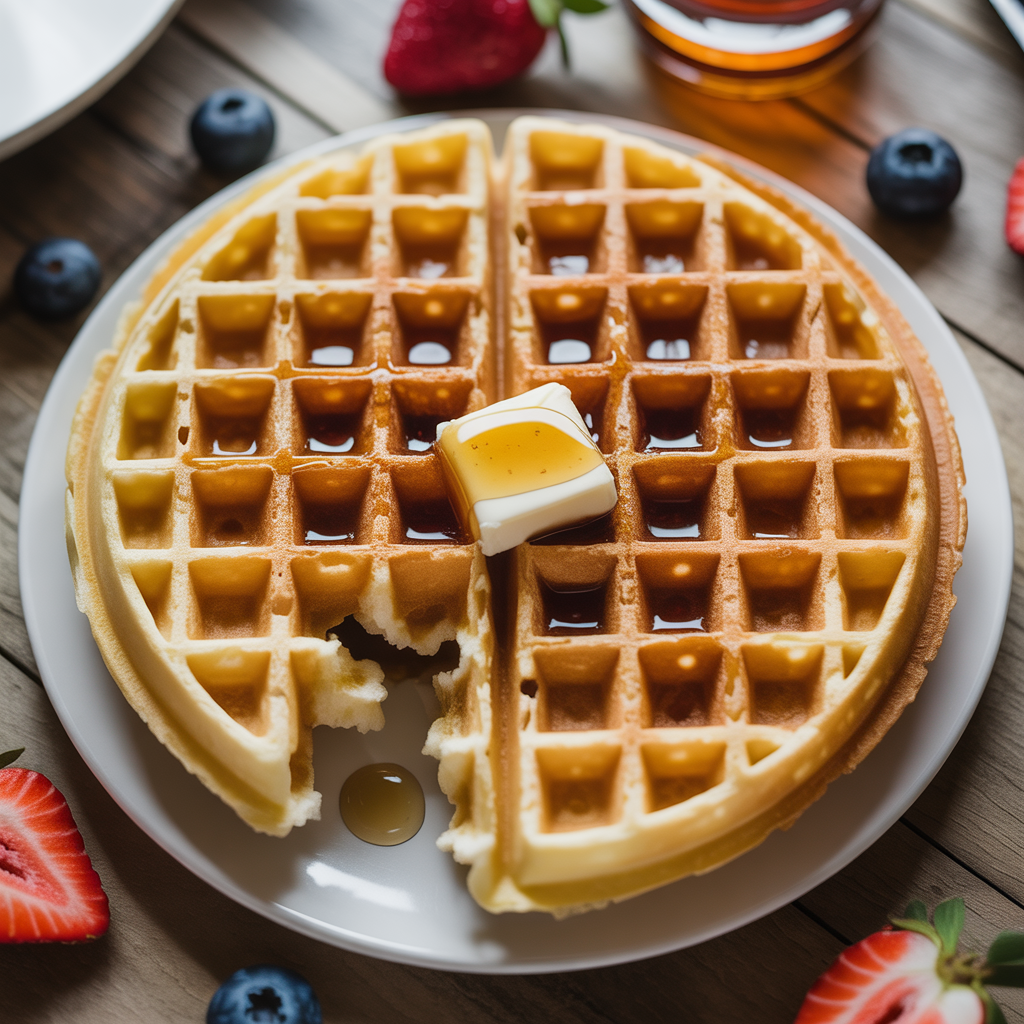
There’s nothing quite like biting into a waffle that’s perfectly golden and crispy on the outside while remaining light, airy, and fluffy on the inside. Achieving this ideal texture combination is the holy grail of waffle making — and it’s absolutely achievable at home with the right techniques, ingredients, and a little know-how.
Whether you’re a weekend breakfast enthusiast or someone who wants to impress guests with a restaurant-quality waffle, this comprehensive guide will walk you through everything you need to know to make waffles that are crispy outside and fluffy inside, every single time.
Why Do Waffles Come Out Soft or Soggy?
Before diving into the solutions, it helps to understand the problem. Most homemade waffles end up soft or soggy because of one or more of these common reasons:
- Too much moisture in the batter — excess liquid prevents proper crisping.
- Opening the waffle iron too soon — steam is still escaping and the crust hasn’t formed.
- Stacking waffles while hot — trapped steam softens the crust.
- Wrong fat ratio — not enough fat in the batter reduces crispiness.
- Waffle iron not hot enough — low heat leads to pale, soft waffles instead of a crispy crust.
The Secret Ingredients for Crispy and Fluffy Waffles
The texture of your waffles begins with your ingredient choices. Here are the key players and why they matter:
1. Separate Your Eggs
This is arguably the single most impactful tip for achieving fluffy waffles. Separate the egg whites from the yolks. Mix the yolks into the batter, then beat the whites to stiff peaks and fold them in at the end. The whipped egg whites introduce air into the batter, creating a light, airy interior that stays fluffy even after cooking.
2. Use Cornstarch
Replace a portion of the all-purpose flour with cornstarch — typically a ratio of 3/4 cup flour to 1/4 cup cornstarch works wonderfully. Cornstarch inhibits gluten development and creates a more tender crumb while also contributing to a crispier exterior. This is one of the most well-tested professional tricks for achieving that diner-style crunch.
3. Use Melted Butter (or Oil) Generously
Fat is your friend when it comes to waffle crispiness. Butter adds rich flavor, while neutral oils like vegetable oil or canola oil tend to produce a slightly crispier result because they have a higher smoke point. Use at least 4–6 tablespoons of fat per standard batch of waffles. Don’t be tempted to reduce it for “healthier” waffles — the fat is what creates that golden crust.
4. Choose the Right Leavening Agent
Baking powder provides lift and fluffiness. Use about 1 tablespoon per cup of flour for maximum rise. Some recipes add a small amount of baking soda alongside an acid (like buttermilk or a touch of vinegar) to further enhance lift and browning through the Maillard reaction.
5. Use Buttermilk Instead of Regular Milk
Buttermilk adds a subtle tangy flavor and reacts with baking soda to create extra leavening. Its acidity also tenderizes the gluten strands, resulting in a softer interior. If you don’t have buttermilk, make a quick substitute by adding 1 tablespoon of white vinegar or lemon juice to 1 cup of milk and letting it sit for 5 minutes.
6. Add a Touch of Sugar
Sugar contributes to caramelization on the waffle’s surface, which directly promotes crispiness. Don’t skip it even if you’re making savory waffles — just 1–2 teaspoons can make a noticeable difference to the crust’s texture and color.
7. Add a Pinch of Salt
Salt enhances all the other flavors and helps strengthen the structure of the batter slightly. Never skip it.
The Perfect Crispy and Fluffy Waffle Recipe
Here is a tried-and-true recipe that incorporates all the secrets above:
Ingredients
- 1 cup (120g) all-purpose flour
- 1/4 cup (30g) cornstarch
- 1 tablespoon granulated sugar
- 1 teaspoon baking powder
- 1/4 teaspoon baking soda
- 1/2 teaspoon salt
- 1 cup (240ml) buttermilk
- 1/3 cup (80ml) vegetable oil or melted butter
- 2 large eggs, separated
- 1 teaspoon pure vanilla extract
Instructions
- Preheat your waffle iron — Allow it to fully heat up before adding any batter. Most irons have an indicator light. If yours doesn’t, wait at least 5 minutes after turning it on.
- Mix dry ingredients — In a large bowl, whisk together the flour, cornstarch, sugar, baking powder, baking soda, and salt until fully combined.
- Mix wet ingredients (minus egg whites) — In a separate bowl, whisk together the buttermilk, oil or melted butter, egg yolks, and vanilla extract.
- Combine wet and dry — Pour the wet ingredients into the dry ingredients and stir until just combined. Do not overmix — a few lumps are perfectly fine. Overmixing develops gluten and makes tough, chewy waffles.
- Beat the egg whites — In a clean bowl, beat the egg whites with an electric mixer until stiff peaks form. This takes about 2–3 minutes.
- Fold in egg whites — Gently fold the beaten egg whites into the batter using a rubber spatula. Use a light hand and fold in two or three additions. You want to see some white streaks; that’s okay. Overmixing deflates the air you just worked to create.
- Grease the waffle iron — Lightly spray or brush with cooking oil or melted butter, even if it’s a non-stick iron. This step ensures that gorgeous golden crust.
- Cook the waffles — Pour the appropriate amount of batter onto the center of the iron (usually about 3/4 cup for standard irons) and close the lid. Cook until the steam stops escaping from the iron’s edges — this is a reliable signal that the waffle is nearly done. Do not open the lid before steam has subsided, or you risk tearing the waffle apart.
- Keep waffles crispy — Place cooked waffles in a single layer directly on the oven rack (not a baking sheet) in an oven preheated to 200°F (93°C). This keeps them warm and allows air to circulate, maintaining crispiness while you cook the remaining waffles.
Key Techniques for Maximum Crispiness
Even with the perfect batter, your technique during cooking plays a huge role in the final texture.
Preheat Fully and Cook at High Heat
A hot waffle iron is non-negotiable. High heat creates rapid steam, which puffs up the interior, while simultaneously crisping and browning the exterior. If your waffle iron has temperature settings, use the highest setting available, especially for the first batch.
Don’t Overfill the Iron
Too much batter spills over the edges and creates thick, doughy waffles. Follow the manufacturer’s guidelines or start with a slightly lesser amount and adjust. The batter should spread to fill the grid with a little room to spare.
Wait for the Steam to Stop
The most reliable way to know when your waffle is done — especially on irons without a timer — is to watch for steam. When steam no longer billows from the sides of the iron, the moisture in the batter has been converted to crispiness. Opening too early releases trapped steam back onto the waffle surface, leading to softness.
Never Stack Hot Waffles
Stacking freshly cooked waffles directly on top of each other is one of the fastest ways to ruin your hard work. The heat and moisture from one waffle softens the crust of the one beneath it. Always use the oven rack method described above, or serve immediately.
Use a Wire Rack
If you don’t have oven space, place cooked waffles on a wire cooling rack set over a baking sheet. This allows air to flow beneath the waffle, preventing the bottom from becoming soggy from condensation.
Choosing the Right Waffle Iron
Your equipment matters. Here’s what to look for:
Belgian vs. Classic Waffle Iron
Belgian waffle irons create deeper pockets — great for holding syrup and toppings — while classic irons make thinner waffles that tend to be crispier overall because there’s more surface area relative to the interior. Both can produce excellent results with the right batter and technique.
Cast Iron vs. Non-Stick
Cast iron waffle makers retain heat exceptionally well and deliver superior crispiness once properly seasoned. They require more maintenance but many waffle enthusiasts swear by them. Non-stick models are more convenient and easier to clean — modern high-quality non-stick irons can produce excellent results too.
Temperature Control
If possible, choose a waffle iron with adjustable temperature settings. Being able to dial up the heat gives you more control over the final texture of your waffle.
Common Mistakes to Avoid
- Overmixing the batter — Leads to gluten development and tough, chewy waffles.
- Using cold ingredients — Cold buttermilk or cold eggs can seize melted butter and create lumpy batter. Use room-temperature ingredients.
- Not greasing the iron — Even non-stick irons benefit from a light coating of fat before each waffle.
- Letting batter sit too long — The leavening agents start working immediately. Cook your waffles shortly after mixing the batter, ideally within 10–15 minutes of preparation.
- Using skim milk — Lower fat milk produces less flavorful, less crispy waffles. Whole milk or buttermilk is strongly preferred.
- Cooking on too low a heat — Low heat makes pale, steam-soaked waffles that lack any satisfying crunch.
Variations to Try
Once you’ve mastered the base recipe, here are some exciting variations to explore:
Extra Crispy Yeasted Waffles
Yeasted waffles — made by allowing the batter to ferment overnight in the refrigerator — develop complex flavors and an exceptionally crispy exterior. Simply replace the baking powder and baking soda with 1/2 teaspoon of instant yeast, mix the batter the night before, cover it, and refrigerate. In the morning, add the separated and beaten egg whites, fold them in, and cook as normal.
Sourdough Waffles
Using sourdough discard in place of some of the flour and buttermilk adds a wonderful tangy flavor and contributes to crispiness through the acidity of the starter. Replace 1/2 cup of the flour and 1/2 cup of the buttermilk with 1 cup of sourdough discard.
Gluten-Free Waffles
Substitute the all-purpose flour with a 1:1 gluten-free flour blend. Increase the cornstarch to 1/3 cup. Gluten-free batters can actually be crispier than traditional ones because the absence of gluten means less chewiness — embrace it.
How to Reheat Waffles and Keep Them Crispy
Leftover waffles don’t have to be sad and soggy. Here are the best reheating methods:
The Toaster Method (Best)
Pop your leftover waffles directly into a toaster or toaster oven. This is by far the best method — it re-crisps the exterior perfectly and heats the interior through in just a couple of minutes. This works beautifully for waffles that were fully cooked and then frozen.
The Oven Method
Preheat your oven to 350°F (175°C). Place waffles in a single layer directly on the oven rack for 5–8 minutes. They’ll come out hot and crispy.
What to Avoid
Never microwave waffles if you want any semblance of crispiness. The microwave heats food by exciting water molecules, which turns your waffle rubbery and soft. Reserve the microwave only for situations where you absolutely don’t care about texture.
How to Freeze Waffles for Later
Making a big batch and freezing them for weekday breakfasts is a smart strategy. Here’s how to do it properly:
- Allow cooked waffles to cool completely on a wire rack.
- Arrange them in a single layer on a baking sheet and freeze until solid (about 1–2 hours).
- Transfer to a zip-lock freezer bag or airtight container, separating layers with parchment paper.
- Freeze for up to 3 months.
- Reheat directly from frozen in a toaster or toaster oven for best results.
Serving Suggestions
A perfectly crispy, fluffy waffle is a canvas for countless delicious toppings:
- Classic: Maple syrup and a pat of butter
- Fruity: Fresh strawberries, blueberries, and whipped cream
- Indulgent: Nutella, sliced bananas, and crushed hazelnuts
- Savory: Crispy fried chicken with hot honey and coleslaw
- Brunch-worthy: Smoked salmon, cream cheese, capers, and a poached egg
- Decadent dessert: Vanilla ice cream, hot fudge, and toasted pecans
Quick Tips Summary
Here’s a fast reference of everything covered in this guide:
- ✅ Separate egg whites and beat to stiff peaks before folding into batter
- ✅ Add cornstarch to the flour for a crispier exterior
- ✅ Use buttermilk for a tender, fluffy interior
- ✅ Don’t skimp on fat — butter or oil is essential
- ✅ Preheat your waffle iron fully before adding batter
- ✅ Cook at high heat
- ✅ Wait for the steam to stop before opening the iron
- ✅ Never stack hot waffles — use an oven rack instead
- ✅ Serve immediately or keep warm in a 200°F oven
- ✅ Reheat leftovers in a toaster, not a microwave
Final Thoughts
Making waffles that are crispy on the outside and fluffy on the inside isn’t about luck — it’s about understanding the science behind the batter and applying the right techniques. From beating egg whites to choosing cornstarch over straight flour, every step is intentional and impactful.
With this guide as your reference, you have everything you need to produce bakery-quality waffles in your own kitchen. Experiment with the recipe, dial in your waffle iron’s heat settings, and don’t rush the cooking process. Once you nail the method, you’ll find yourself making waffles not just for breakfast — but for any meal of the day.
Now preheat that iron, grab your ingredients, and get ready to make the best waffles of your life.