
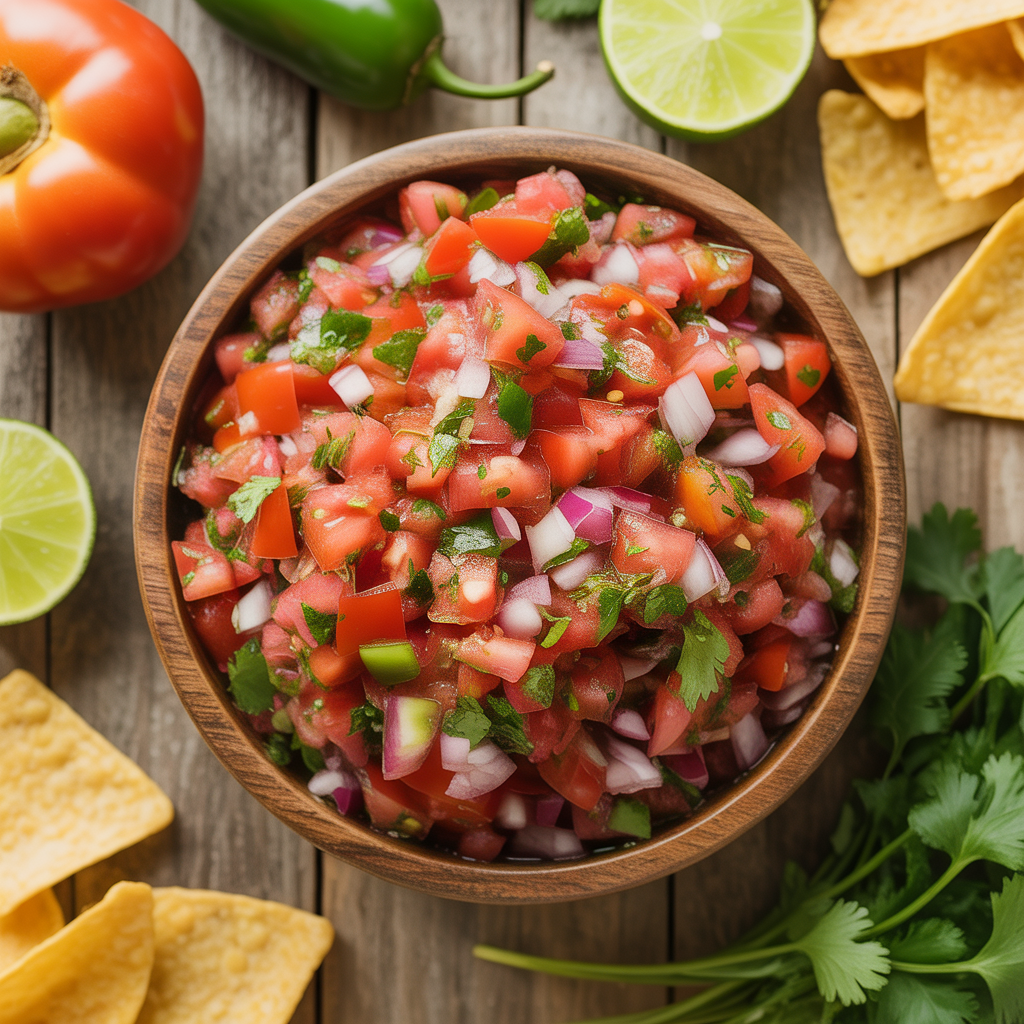
If you’ve ever tasted a bowl of fresh, chunky salsa at your favorite Mexican restaurant and wondered how to recreate that vibrant flavor at home, you’re in the right place. Making restaurant-style salsa from scratch is easier than you think — and once you try the homemade version, you’ll never go back to the jarred stuff again. In this guide, we’ll walk you through everything: the best ingredients, essential techniques, step-by-step instructions, and pro tips to nail the perfect salsa every single time.
What Makes a Great Salsa?
The secret to an outstanding salsa lies in three things: fresh ingredients, balanced flavors, and the right texture. Restaurant-style salsa typically has a slightly smoother consistency than pico de gallo (which is very chunky and uncooked), but it still has body and character. It’s not watery, not too spicy, and not too mild — it hits that perfect balance of tangy, savory, and heat.
There are two main styles of homemade salsa:
- Pico de Gallo (Fresh/Chunky Salsa): Raw, diced ingredients mixed together. Very fresh-tasting with bold individual flavors.
- Restaurant-Style Salsa (Blended/Cooked): Ingredients are either fire-roasted or briefly blended for a smoother consistency, similar to what you get with chips at a Mexican restaurant.
This guide will cover both styles so you can choose based on your preference.
Ingredients You’ll Need
The quality of your salsa depends almost entirely on the quality of your ingredients. Here’s what you’ll need for each style:
For Fresh Chunky Salsa (Pico de Gallo) — Serves 6–8
- 6 medium Roma tomatoes, diced (Roma tomatoes have less water and more flesh)
- ½ medium white onion, finely diced
- 2–3 jalapeño peppers, seeded and minced (adjust to taste)
- 3–4 cloves garlic, minced
- ½ cup fresh cilantro, chopped
- Juice of 2 limes
- 1 teaspoon kosher salt (more to taste)
- ½ teaspoon ground cumin
- Optional: 1 teaspoon sugar (to balance acidity if tomatoes are not sweet enough)
For Restaurant-Style Blended Salsa — Serves 8–10
- 1 can (28 oz) whole peeled San Marzano tomatoes OR 6–8 fresh Roma tomatoes (fire-roasted)
- 2 cloves garlic
- ½ white onion, roughly chopped
- 1–2 jalapeños or serrano peppers
- 1 teaspoon cumin
- 1 teaspoon salt
- Juice of 1 lime
- ½ cup fresh cilantro
- 1 tablespoon apple cider vinegar (optional, for extra tang)
- Pinch of sugar
Equipment You’ll Need
- Sharp chef’s knife and cutting board
- Large mixing bowl
- Food processor or blender (for restaurant-style version)
- Strainer or colander (to drain excess liquid)
- Airtight glass jar or container for storage
How to Make Fresh Chunky Salsa (Pico de Gallo) — Step by Step
Step 1: Prepare Your Tomatoes Properly
This is arguably the most important step for chunky salsa. Watery tomatoes = watery salsa. Here’s how to handle them:
- Cut each Roma tomato in half and use a small spoon to scoop out the seeds and gel from the center. This removes excess water.
- Dice the tomatoes into small, even cubes — approximately ¼-inch pieces.
- Place the diced tomatoes in a colander, sprinkle with a pinch of salt, and let them drain for 10–15 minutes. This draws out even more moisture.
Step 2: Prepare the Aromatics
- Onion: Dice finely. If the raw onion flavor is too sharp, soak the diced onion in cold water for 10 minutes, then drain. This mellows the pungency without losing the crunch.
- Jalapeños: Remove the seeds and white membrane for less heat, or keep them in for extra fire. Mince finely.
- Garlic: Mince as finely as possible, or use a microplane grater for a smoother garlic flavor throughout.
- Cilantro: Roughly chop both leaves and tender stems.
Step 3: Combine Ingredients
In a large bowl, combine the drained tomatoes, onion, jalapeño, garlic, and cilantro. Squeeze the lime juice over everything. Add salt, cumin, and sugar if using.
Step 4: Taste and Adjust
This is the most important step many home cooks skip. Always taste your salsa and adjust:
- Too bland? Add more salt.
- Too acidic? Add a pinch of sugar or a tiny drizzle of olive oil.
- Too mild? Add more jalapeño or a pinch of cayenne pepper.
- Too spicy? Add more diced tomato.
- Needs more freshness? Add more lime juice or cilantro.
Step 5: Rest Before Serving
Let your pico de gallo rest in the refrigerator for at least 30 minutes before serving. This allows the flavors to meld together beautifully. The salsa will taste significantly better after resting.
How to Make Restaurant-Style Blended Salsa — Step by Step
This is the style served with tortilla chips at most Mexican restaurants. It has a smooth-yet-slightly-chunky consistency, vibrant red color, and deep, complex flavor — often because the vegetables are charred or roasted first.
Step 1: Roast (or Fire-Char) Your Vegetables
This step is the secret weapon of restaurant salsa. Charring the tomatoes, onion, peppers, and garlic adds incredible depth of flavor.
Option A — Broiler Method:
- Place whole tomatoes (or canned tomatoes drained), halved onion, jalapeños, and garlic cloves on a baking sheet.
- Broil on HIGH for 8–12 minutes, turning once, until the tops are charred and slightly blackened.
- Remove and let cool slightly.
Option B — Stovetop/Comal Method:
- Heat a dry cast-iron skillet or comal over high heat.
- Place the vegetables directly on the hot surface and char on each side until blackened in spots.
- This method gives the most authentic flavor.
Option C — Using Canned Tomatoes (Quick Method):
If you’re short on time, fire-roasted canned tomatoes (like Muir Glen brand) are an excellent shortcut that still deliver great smoky flavor without charring anything yourself.
Step 2: Blend to the Right Consistency
- Add the roasted tomatoes, onion, peppers, and garlic to a blender or food processor.
- Add the cilantro, lime juice, cumin, salt, and vinegar.
- Pulse the blender — do not over-blend. You want 8–10 short pulses to get a chunky-smooth texture, not a completely liquefied puree. Restaurant salsa should still have some body.
Step 3: Cook It Down (Optional but Recommended)
Many restaurant salsas are briefly cooked after blending:
- Heat 1 tablespoon of oil in a saucepan over medium-high heat.
- Pour in the blended salsa (careful — it will splatter!).
- Simmer for 10–15 minutes, stirring occasionally, until the salsa darkens in color and thickens slightly.
- This cooking step concentrates the flavors and gives the salsa that signature restaurant taste.
Step 4: Cool, Taste, and Adjust
Let the salsa cool to room temperature, then taste and adjust seasoning. At this point, the salsa will thicken slightly as it cools. If it’s too thick, stir in a tablespoon of water at a time until you reach your desired consistency.
Pro Tips for Perfect Salsa Every Time
1. Use Roma or Plum Tomatoes
Roma and plum tomatoes have thicker walls, fewer seeds, and less water than regular round tomatoes. They’re ideal for salsa because they hold their shape (for chunky versions) and don’t make the final product watery.
2. Salt Your Tomatoes in Advance
Whether you’re making chunky or blended salsa, salting your cut tomatoes and letting them drain for 15 minutes before combining removes excess liquid and intensifies the tomato flavor.
3. Don’t Skip the Resting Time
Freshly made salsa always tastes better after 30 minutes to an hour in the refrigerator. The salt draws out juices from the tomatoes, and the lime juice begins to gently “cook” the aromatics, creating a more unified, complex flavor.
4. Balance Your Heat
Different jalapeños can vary wildly in heat level. Always taste a small sliver of your pepper before adding it to gauge how hot it is. Serrano peppers are hotter than jalapeños, while poblano peppers are much milder. Adjust accordingly.
5. Use Fresh Lime Juice — Not Bottled
Bottled lime juice has a processed, slightly bitter flavor that can ruin your salsa. Always use freshly squeezed lime juice for the brightest, cleanest flavor.
6. The Cilantro Debate
If you’re serving guests who may not enjoy cilantro (some people find it tastes like soap due to a genetic trait), you can substitute fresh flat-leaf parsley as a milder alternative, or simply omit it.
7. Make It Your Own with Add-Ins
Once you’ve mastered the basic recipe, try these popular variations:
- Mango Salsa: Add 1 cup diced fresh mango for a sweet, tropical twist.
- Corn and Black Bean Salsa: Stir in ½ cup roasted corn and ½ cup drained black beans.
- Roasted Tomatillo Salsa (Salsa Verde): Replace red tomatoes with husked tomatillos for a tangy green salsa.
- Chipotle Salsa: Add 1–2 chipotles in adobo sauce to the blender for a smoky, spicy depth.
- Avocado Salsa: Blend in half an avocado for a creamy, rich variation.
Common Mistakes to Avoid
- Using watery tomatoes: Always de-seed and drain your tomatoes, especially for chunky salsa.
- Over-blending: Restaurant salsa should have texture. Pulse, don’t puree.
- Skipping seasoning adjustment: Salsa without enough salt tastes flat. Taste as you go.
- Serving immediately: Always let salsa rest before serving to allow flavors to develop.
- Using old ingredients: Salsa is only as good as its freshest ingredient. Don’t use overripe or underripe tomatoes.
How to Serve Salsa
Salsa is one of the most versatile condiments in the kitchen. Here are some great ways to enjoy your homemade creation:
- Classic: With warm tortilla chips as a starter or snack
- Tacos: Spoon over beef, chicken, or fish tacos
- Burritos and Quesadillas: Use as a filling or dipping sauce
- Eggs: Spoon over scrambled eggs or huevos rancheros for a Mexican-inspired breakfast
- Grilled Meats: Use as a fresh topping for grilled chicken, steak, or shrimp
- Rice and Beans: Stir into Mexican rice or top refried beans
- Salad Dressing: Thin with olive oil and use as a vibrant salad dressing
How to Store Homemade Salsa
Proper storage keeps your salsa fresh and flavorful for longer:
- Refrigerator: Store in an airtight glass jar or container. Fresh chunky salsa (pico de gallo) lasts 3–5 days. Cooked restaurant-style salsa lasts 7–10 days.
- Freezer: Restaurant-style cooked salsa freezes well for up to 3 months. Pour into freezer-safe bags or containers, leaving some headspace. Thaw overnight in the refrigerator. Note: fresh chunky salsa does not freeze well as the tomatoes become mushy.
- Tip: Always use a clean spoon when scooping salsa to prevent contamination and extend shelf life.
Frequently Asked Questions
Can I make salsa without a blender?
Absolutely! For chunky salsa (pico de gallo), no blender is needed — just a good knife. For a smoother version without a blender, finely chop all ingredients and mash gently with a fork or potato masher for a rustic texture.
How do I make salsa less spicy?
Remove all seeds and white membrane from the peppers (this is where most of the heat lives). You can also swap jalapeños for milder peppers like Anaheim or poblano. Adding more tomato also dilutes the heat.
Why is my salsa watery?
This is usually caused by not draining the tomatoes properly. Always deseed your tomatoes and salt them to draw out excess moisture before mixing. You can also strain the finished salsa through a fine mesh strainer.
Can I use cherry tomatoes?
Yes! Cherry tomatoes have a naturally sweet flavor and work beautifully in fresh salsa. Halve or quarter them depending on the size, and still drain them before using.
Is canned tomato salsa as good as fresh?
For restaurant-style blended salsa, high-quality canned tomatoes (especially fire-roasted varieties) can actually produce a more consistent result year-round than out-of-season fresh tomatoes. Fresh tomatoes are best in summer when they’re at peak ripeness.
Quick Recipe Summary
Fresh Chunky Salsa (Pico de Gallo)
- Deseed and dice 6 Roma tomatoes; drain with salt for 15 minutes.
- Dice onion, mince jalapeño and garlic, chop cilantro.
- Combine all ingredients with lime juice, salt, and cumin.
- Taste and adjust seasoning.
- Refrigerate 30 minutes before serving.
Restaurant-Style Blended Salsa
- Char or broil tomatoes, onion, peppers, and garlic.
- Add to blender with cilantro, lime juice, cumin, and salt.
- Pulse 8–10 times for a slightly chunky texture.
- Optional: Simmer in a saucepan for 10–15 minutes.
- Cool, taste, adjust seasoning, and serve.
Final Thoughts
Making homemade salsa is one of the most rewarding things you can do in the kitchen. Whether you prefer the bright, crunchy freshness of a classic pico de gallo or the deep, smoky complexity of a restaurant-style blended salsa, the process is simple, fast, and endlessly customizable. With fresh ingredients, a little patience, and the tips in this guide, you’ll be making salsa that rivals — or surpasses — anything you’d find at your favorite restaurant. So grab those tomatoes, fire up that blender, and let’s get chopping!