
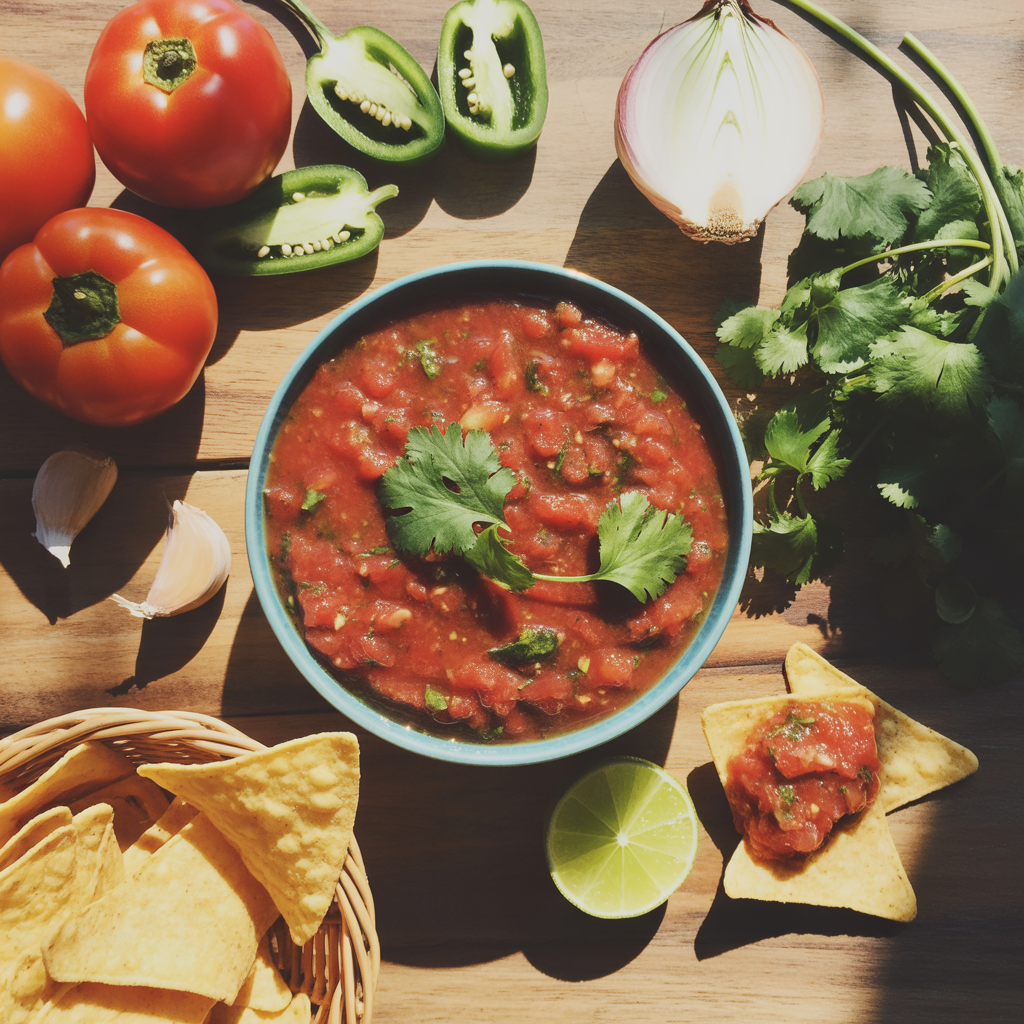
There’s nothing quite like a bowl of fresh, homemade salsa. Whether you’re dipping tortilla chips, topping tacos, or spooning it over grilled chicken, a great salsa recipe can elevate any meal. The best part? Making salsa at home is incredibly easy, takes less than 15 minutes, and tastes far better than anything you’ll find in a jar at the grocery store.
In this guide, you’ll learn everything you need to know about making restaurant-style salsa at home — from choosing the right ingredients to tips for getting that perfect balance of flavors.
Why Make Homemade Salsa?
You might be wondering: why bother making salsa from scratch when store-bought versions are so convenient? Here are a few compelling reasons:
- Fresher flavor: Homemade salsa uses fresh tomatoes, herbs, and aromatics that deliver a vibrant taste no jar can replicate.
- No preservatives: Store-bought salsas often contain preservatives, added sugars, and artificial ingredients. Making it at home means you control every component.
- Customizable heat: You decide how spicy or mild your salsa is based on the type and amount of peppers you use.
- Cost-effective: A batch of homemade salsa costs a fraction of what you’d pay for a premium jar at the store.
- Quick and easy: This recipe takes about 10–15 minutes from start to finish.
Ingredients for Homemade Salsa
This recipe makes about 2–3 cups of salsa, which is perfect for serving a small group or storing for the week.
Core Ingredients
- 6 medium ripe tomatoes (Roma tomatoes work best, but any variety will do)
- 1 small white onion, roughly chopped
- 2–3 cloves of garlic, minced
- 1–2 jalapeño peppers (seeded for mild, keep seeds for hot)
- 1/2 cup fresh cilantro, loosely packed
- Juice of 1 lime (about 2 tablespoons)
- 1 teaspoon salt (adjust to taste)
- 1/2 teaspoon cumin (optional but recommended)
- 1/4 teaspoon black pepper
Optional Add-ins
- 1 teaspoon sugar — balances acidity from tomatoes
- Serrano pepper — for extra heat
- Mango or pineapple — for a fruity, tropical twist
- Roasted corn — adds texture and sweetness
- Avocado chunks — for a creamy variation
Equipment You’ll Need
- A sharp knife and cutting board
- A blender or food processor
- A large mixing bowl
- Mason jars or an airtight container for storage
How to Make Homemade Salsa: Step-by-Step Instructions
Step 1: Prepare Your Ingredients
Start by washing all your fresh produce thoroughly. Core the tomatoes and cut them into rough quarters. Peel and quarter the onion. Remove the stem from the jalapeño and cut it in half. If you prefer a milder salsa, use a spoon to scrape out the seeds and white membrane from the pepper. Peel the garlic cloves.
Step 2: Blend the Ingredients
Add the tomatoes, onion, garlic, jalapeño, cilantro, lime juice, salt, cumin, and black pepper to your blender or food processor. Pulse the mixture several times rather than blending continuously. This is the key to getting that perfect restaurant-style chunky texture. If you prefer a smoother salsa, blend for a few more seconds.
Step 3: Taste and Adjust
Pour the salsa into a bowl and taste it. This is the most important step! Adjust the seasoning as needed:
- Too acidic? Add a pinch of sugar.
- Not spicy enough? Add more jalapeño or a pinch of cayenne pepper.
- Lacking depth? Add a bit more cumin or garlic.
- Needs brightness? Squeeze in more lime juice.
Step 4: Rest and Serve
For the best flavor, let the salsa rest for at least 15–30 minutes before serving. This allows all the flavors to meld together beautifully. Serve at room temperature or slightly chilled with tortilla chips, tacos, burritos, or your favorite dish.
Roasted Salsa Variation (Restaurant-Style)
Want to take your salsa to the next level and get that deep, smoky flavor you find at your favorite Mexican restaurant? Try roasting your ingredients first.
How to Roast:
- Preheat your broiler to high.
- Place whole tomatoes, halved onion, jalapeños, and unpeeled garlic cloves on a baking sheet.
- Broil for 10–15 minutes, turning once, until the vegetables are charred and softened.
- Let cool slightly, peel the garlic, then transfer everything (including any juices) to the blender.
- Add cilantro, lime juice, salt, and cumin, then pulse to your desired consistency.
The charring adds an incredible smoky depth and complexity that makes this salsa taste like it came straight from a taqueria.
Pico de Gallo vs. Salsa: What’s the Difference?
Many people confuse pico de gallo and salsa, and understandably so — they share very similar ingredients. Here’s the key difference:
- Pico de Gallo is a fresh, unblended salsa where all ingredients are finely diced by hand. It has a chunky, dry texture and is best used fresh.
- Salsa (like this recipe) is blended or partially blended, giving it a saucy consistency that pours easily over food or works great for dipping.
Both are delicious — the one you choose depends on how you plan to use it!
Tips for the Best Homemade Salsa
- Use ripe tomatoes: The quality of your tomatoes is the single most important factor. Overripe or in-season tomatoes will give you the sweetest, most flavorful salsa.
- Don’t over-blend: Pulse instead of blending continuously to avoid a watery, liquid salsa.
- Drain excess liquid: If your salsa turns out too watery, pour it through a fine mesh strainer for a minute or two.
- Let it rest: As mentioned above, 15–30 minutes of resting time greatly improves the flavor.
- Use fresh lime juice: Bottled lime juice doesn’t compare to freshly squeezed. The bright, fresh acidity makes a noticeable difference.
- Char your peppers: Even if you don’t want to roast all the vegetables, quickly charring the jalapeño over a gas flame or under the broiler adds great flavor.
How to Store Homemade Salsa
One of the great things about homemade salsa is that it stores quite well. Here’s how to keep it fresh:
Refrigerator Storage
Transfer your salsa to an airtight container or mason jar and store it in the refrigerator for up to 5–7 days. The flavor actually improves on day two as all the ingredients continue to meld together overnight.
Freezer Storage
Yes, you can freeze salsa! Pour it into freezer-safe containers or zip-lock bags, leaving some headspace for expansion. Frozen salsa will last for up to 2–3 months. Note that the texture may become slightly watery after thawing, so it’s best used in cooked dishes rather than as a fresh dip after freezing.
Ways to Use Homemade Salsa
Salsa is far more versatile than just a chip dip. Here are some creative ways to use your homemade batch:
- Tacos and burritos: Spoon generously over any taco or burrito filling.
- Scrambled eggs and omelets: A spoonful of salsa transforms breakfast eggs.
- Grilled meats: Use as a fresh sauce over grilled chicken, steak, or fish.
- Rice topping: Stir into plain rice for instant Mexican-style rice.
- Soup base: Add to soups and stews for a flavor boost.
- Salad dressing: Mix with a bit of olive oil for a light, zesty dressing.
- Marinade: Use as a marinade for chicken or shrimp before grilling.
- Pizza sauce: Spread on flatbread as a base for a Mexican-inspired pizza.
Frequently Asked Questions
Can I make salsa without a blender?
Absolutely! Simply dice all the ingredients very finely by hand and mix them together in a bowl. This will give you a chunky pico de gallo-style salsa that is equally delicious.
What type of tomatoes are best for salsa?
Roma tomatoes are the most popular choice because they have fewer seeds and less water content, which results in a thicker salsa. However, any ripe, fresh tomatoes will work well. In the summer, heirloom or vine-ripened tomatoes will produce exceptional flavor.
How can I make my salsa less watery?
To reduce wateriness, you can seed the tomatoes before blending by cutting them in half and squeezing out the seeds and excess juice. You can also strain the finished salsa through a fine mesh sieve.
Can I use canned tomatoes?
Yes, canned tomatoes can be used when fresh tomatoes are out of season or unavailable. Use a 14.5-ounce can of fire-roasted diced tomatoes for best results. Drain about half the liquid before blending. Canned tomato salsa won’t be quite as fresh-tasting, but it’s still far better than store-bought jarred salsa.
How do I make salsa less spicy?
Remove all seeds and white membrane from the jalapeño. You can also substitute a milder pepper like Anaheim or poblano. Adding a pinch of sugar or extra tomato can also help balance out the heat.
How do I make salsa hotter?
Keep the seeds in your jalapeño, add a second jalapeño, or substitute with a serrano pepper (which is significantly hotter). You can also add a pinch of cayenne pepper or a small habanero pepper for intense heat.
Nutritional Information (Per 1/4 cup serving)
- Calories: ~20 kcal
- Carbohydrates: 4g
- Protein: 1g
- Fat: 0g
- Fiber: 1g
- Sodium: 150mg
- Vitamin C: 15% DV
Homemade salsa is naturally low in calories, fat-free, and packed with vitamins from fresh vegetables, making it one of the healthiest condiments you can make.
Final Thoughts
Making homemade salsa is one of those kitchen skills that rewards you every single time. Once you see how quick and easy it is — and taste how incredible fresh salsa can be — you’ll never go back to the jarred stuff again. Whether you go for the classic fresh version or try the roasted variation for a smoky depth of flavor, this recipe is endlessly adaptable to your personal taste preferences.
Gather your ingredients, fire up the blender, and enjoy a bowl of the best salsa you’ve ever tasted — made right in your own kitchen.