
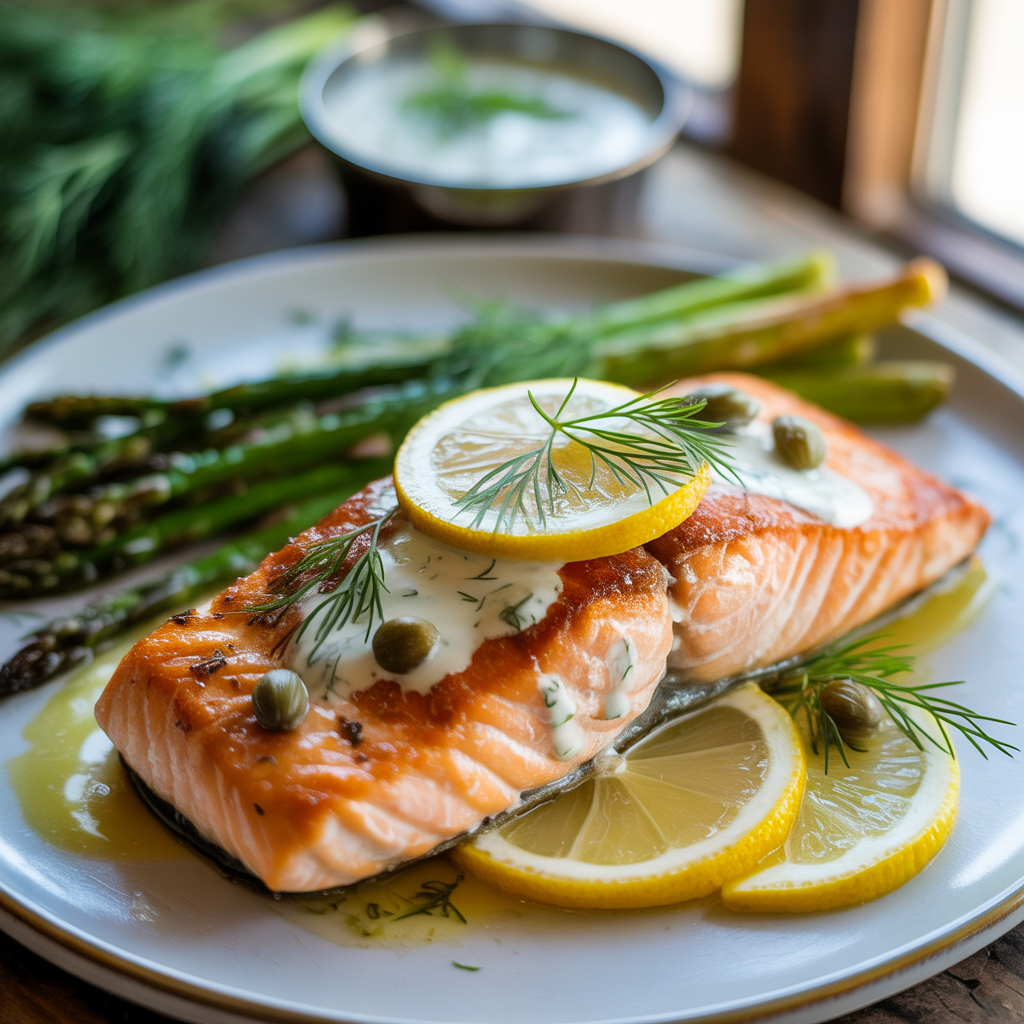
If you’re looking for a quick, healthy, and absolutely delicious salmon recipe, you’ve come to the right place. Whether you’re a busy parent, a fitness enthusiast, or simply someone who wants a satisfying meal without spending hours in the kitchen, this easy salmon recipe checks every box. In under 30 minutes, you’ll have perfectly cooked, juicy salmon that’s packed with nutrients and bursting with flavor.
Why Salmon Is One of the Best Proteins You Can Eat
Before we dive into the recipe, let’s talk about why salmon deserves a regular spot on your dinner table.
- Rich in Omega-3 Fatty Acids: Salmon is one of the best natural sources of omega-3s, which support heart health, brain function, and reduce inflammation.
- High-Quality Protein: A single 6-ounce fillet provides approximately 34 grams of protein, making it ideal for muscle repair and satiety.
- Loaded with Vitamins and Minerals: Salmon contains B vitamins, potassium, selenium, and astaxanthin — a powerful antioxidant.
- Supports Weight Management: High protein and healthy fats keep you full longer, helping you avoid unnecessary snacking.
- Good for Skin and Hair: The healthy fats and antioxidants in salmon contribute to glowing skin and stronger hair.
What You’ll Need: Ingredients
This recipe uses simple pantry staples you likely already have at home. Here’s what you’ll need for 2 servings:
Main Ingredients
- 2 salmon fillets (about 6 oz / 170g each), skin-on or skinless
- 2 tablespoons olive oil (or butter for extra richness)
- 3 garlic cloves, minced
- 1 tablespoon fresh lemon juice
- 1 teaspoon lemon zest
- Salt and black pepper to taste
Seasoning Blend
- 1 teaspoon smoked paprika
- ½ teaspoon garlic powder
- ½ teaspoon onion powder
- ¼ teaspoon cayenne pepper (optional, for a little heat)
- 1 teaspoon dried Italian herbs or fresh thyme/dill
Optional Garnishes
- Fresh parsley or dill, chopped
- Lemon slices
- Capers
Equipment You’ll Need
- A large skillet or oven-safe pan
- Paper towels
- A spatula
- Mixing bowl or small plate for seasoning
- Meat thermometer (optional but recommended)
Step-by-Step Instructions
Step 1: Prepare the Salmon
Remove your salmon fillets from the refrigerator about 15 minutes before cooking. Bringing them to room temperature helps ensure even cooking. Pat the fillets completely dry with paper towels — this is the secret to getting a beautiful, golden crust. Moisture is the enemy of a good sear.
Step 2: Season Generously
In a small bowl, combine the smoked paprika, garlic powder, onion powder, cayenne pepper, Italian herbs, salt, and black pepper. Drizzle the salmon fillets with 1 tablespoon of olive oil, then sprinkle the seasoning blend all over both sides of the fish, pressing gently to adhere. Add the lemon zest on top for a fresh, citrusy aroma.
Step 3: Heat the Pan
Place your skillet over medium-high heat and add the remaining tablespoon of olive oil. Let the pan heat up for about 2 minutes until the oil is shimmering but not smoking. A properly preheated pan is crucial for achieving that gorgeous sear.
Step 4: Cook the Salmon
Carefully place the salmon fillets in the hot pan, skin-side down if applicable. Press them gently with a spatula for the first 10 seconds to prevent curling.
Cook for 4–5 minutes without moving the fillets. You’ll notice the color of the salmon changing from bright pink to a lighter, cooked pink as it works its way up from the bottom. This is exactly what you want.
Add the minced garlic to the pan during the last minute of cooking on this side — let it sizzle around the salmon for incredible flavor.
Flip the salmon carefully and cook for another 2–4 minutes, depending on thickness. Drizzle lemon juice over the fillets at this point.
Step 5: Check for Doneness
The salmon is done when it flakes easily with a fork and the internal temperature reaches 125°F–130°F (52°C–54°C) for medium (slightly translucent in the center) or 145°F (63°C) for fully cooked. Be careful not to overcook — overcooked salmon becomes dry and loses its appeal.
Step 6: Rest and Serve
Remove the salmon from heat and let it rest for 2–3 minutes. This allows the juices to redistribute throughout the fillet, keeping it moist and flavorful. Garnish with fresh parsley or dill, lemon slices, and capers if desired. Serve immediately.
Oven-Baked Variation
Prefer to bake your salmon? Here’s how to adapt this recipe for the oven:
- Preheat your oven to 400°F (200°C).
- Season the salmon as described above.
- Place fillets on a lined baking sheet or in an oven-safe dish.
- Bake for 12–15 minutes, depending on thickness.
- Optional: Broil for the last 2 minutes for a slightly caramelized top.
- Check internal temperature and serve.
Baking is a more hands-off approach and works great if you’re cooking for a crowd or preparing multiple fillets at once.
Air Fryer Salmon Option
The air fryer produces wonderfully crispy salmon with minimal oil:
- Preheat air fryer to 390°F (200°C) for 3 minutes.
- Season fillets as directed.
- Lightly spray the air fryer basket with cooking spray.
- Place salmon skin-side down in the basket.
- Air fry for 7–10 minutes, depending on thickness.
- No need to flip! The hot circulating air cooks both sides evenly.
Tips for the Juiciest Salmon Every Time
- Buy fresh, quality salmon: Look for wild-caught salmon when possible — it tends to have more flavor and better nutritional profiles. Atlantic or sockeye salmon both work great for this recipe.
- Don’t overcook it: The most common mistake people make with salmon is leaving it on the heat too long. Keep a close eye on it.
- Pat dry before seasoning: Removing surface moisture is key for a good sear and helps the seasoning stick better.
- Use a hot pan: A cold pan leads to steaming rather than searing. Always preheat properly.
- Let it rest: Just like steak, salmon benefits from a short resting period before serving.
- Season boldly: Salmon can handle strong seasonings. Don’t be shy with your spice blend.
- Room temperature fish: Cold fish straight from the fridge cooks unevenly. Always temper it first.
What to Serve With Easy Salmon
This salmon pairs beautifully with a wide variety of sides. Here are some healthy and delicious options:
Vegetables
- Roasted asparagus with a drizzle of olive oil
- Steamed broccoli or broccolini
- Sautéed spinach with garlic
- Roasted cherry tomatoes
- Grilled zucchini or bell peppers
Grains & Starches
- Fluffy white or brown rice
- Quinoa with herbs
- Mashed sweet potatoes
- Cauliflower rice (for a low-carb option)
- Crusty sourdough bread to soak up the juices
Salads
- Simple arugula salad with lemon vinaigrette
- Greek salad with feta and olives
- Cucumber and dill salad
- Avocado and mango salsa
Healthy Sauce Ideas to Elevate Your Salmon
While this salmon is incredibly flavorful on its own, a great sauce can take it to the next level:
- Lemon Butter Sauce: Melt 2 tablespoons butter with minced garlic and fresh lemon juice. Drizzle over the top.
- Dill Yogurt Sauce: Mix Greek yogurt, fresh dill, garlic, lemon juice, and salt for a cool, creamy complement.
- Avocado Salsa: Combine diced avocado, red onion, cilantro, jalapeño, and lime juice for a fresh, vibrant topping.
- Honey Mustard Glaze: Whisk together whole-grain mustard, honey, and a splash of soy sauce. Brush on before the final flip.
- Teriyaki Glaze: For an Asian-inspired twist, use a simple mixture of soy sauce, honey, ginger, and sesame oil.
Nutritional Information (Per Serving)
Based on a 6 oz fillet cooked with olive oil and the spice blend above:
- Calories: Approximately 350–400 kcal
- Protein: 34–36g
- Total Fat: 22–25g (mostly healthy unsaturated fats)
- Saturated Fat: 4g
- Carbohydrates: 2g
- Fiber: 0.5g
- Omega-3 Fatty Acids: ~2,000mg
- Vitamin D: Over 100% of daily recommended intake
Note: Nutritional values are approximate and may vary depending on the type of salmon and specific ingredients used.
How to Store and Reheat Leftover Salmon
Storage
Let cooked salmon cool completely before storing. Place in an airtight container and refrigerate for up to 3 days. You can also freeze cooked salmon for up to 2 months — wrap it tightly in plastic wrap and then place in a freezer-safe bag.
Reheating Tips
- Oven (best method): Preheat to 275°F (135°C). Place salmon in an oven-safe dish with a splash of water or broth. Cover with foil and heat for 10–15 minutes.
- Skillet: Reheat over medium-low heat with a small amount of oil or butter, about 3–4 minutes per side.
- Microwave (least recommended): Heat at 50% power in 30-second intervals to avoid drying out.
- Enjoy cold: Leftover salmon is delicious cold, flaked over salads, mixed into pasta, or stuffed into wraps.
Creative Ways to Use Leftover Salmon
- Flake into a salmon pasta with cream sauce or pesto
- Make salmon tacos with coleslaw and avocado
- Mix into scrambled eggs for a protein-rich breakfast
- Add to a Buddha bowl with rice, veggies, and tahini
- Make salmon patties or salmon cakes
- Spread on toast with cream cheese and capers
Frequently Asked Questions
Can I use frozen salmon?
Absolutely. Thaw frozen salmon overnight in the refrigerator before cooking, or use the cold water method (seal in a bag and submerge in cold water for 30–60 minutes). Always pat dry after thawing for the best results.
Should I remove the skin before cooking?
You don’t have to. Cooking salmon skin-side down first helps keep the fish moist and the skin becomes wonderfully crispy. You can easily peel it off after cooking if you prefer. Many people find that the skin is actually the tastiest part!
What’s the best type of salmon to use?
For this recipe, any type works well. Sockeye salmon is bold in flavor, Atlantic salmon is milder and fattier, and coho is a great middle ground. Wild-caught is generally preferred for flavor and nutrition, but farmed Atlantic salmon is widely available and still very healthy.
How do I know when salmon is done without a thermometer?
Use the “flake test” — press gently on the thickest part with a fork. If it flakes apart easily and the color has changed from translucent to opaque, it’s done. For medium salmon, a slight translucency in the very center is fine and preferred.
Can I marinate the salmon?
Yes! You can marinate the salmon for 15–30 minutes before cooking. Avoid marinating longer than 1 hour, especially with acidic ingredients like lemon juice, as the acid can start to “cook” the fish and affect the texture.
Is this recipe gluten-free and dairy-free?
Yes, this recipe is naturally gluten-free and dairy-free when made with olive oil. If you substitute butter, it will contain dairy but remain gluten-free.
Meal Prep Tips
This salmon recipe is a fantastic meal prep option. Here’s how to make it work for your week:
- Cook 4–6 fillets at once on the weekend
- Portion into individual containers with your chosen sides
- Refrigerate and enjoy throughout the week for quick, healthy lunches or dinners
- Keep sauces separate and add just before eating to maintain texture
Why This Recipe Works for Everyone
This easy salmon recipe is designed to be approachable for beginners yet satisfying enough for seasoned home cooks. Here’s why it’s a universal winner:
- Minimal prep time: From fridge to plate in under 30 minutes
- Flexible cooking methods: Pan-sear, bake, or air fry based on what you have
- Budget-friendly: Simple ingredients that won’t break the bank
- Diet-friendly: Works for low-carb, keto, paleo, gluten-free, and Mediterranean diets
- Kid-approved: Mild seasoning that you can adjust for pickier eaters
- Impressive presentation: Golden, restaurant-quality results every time
Final Thoughts
There’s a reason salmon is one of the most popular fish recipes searched online — it’s genuinely one of the healthiest, most versatile, and most delicious proteins you can put on the table. With this easy salmon recipe, you now have everything you need to cook it perfectly every single time.
Whether you choose to pan-sear it for a crispy golden crust, bake it low and slow for a tender flake, or toss it in the air fryer for convenience, the result is always a juicy, flavorful, nutritious meal that your whole family will love.
Don’t be afraid to experiment with the seasonings, try different sauces, or pair it with your favorite sides. The beauty of this recipe is in its simplicity and adaptability. Now go cook some salmon — dinner is waiting!