
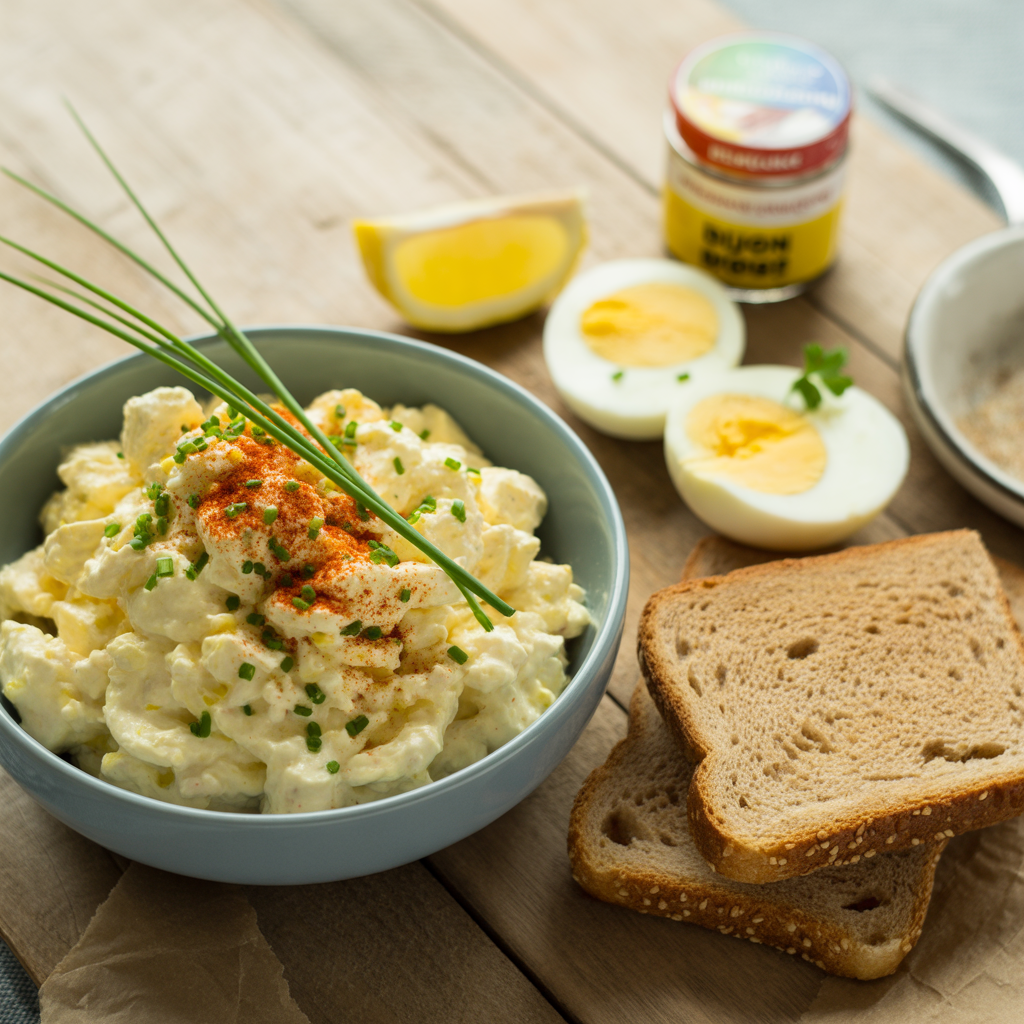
Egg salad is one of those timeless classics that never goes out of style. Whether you’re packing lunch, hosting a brunch, or just looking for a quick and satisfying meal, a well-made egg salad hits all the right notes. But there’s a big difference between a bland, watery egg salad and one that’s creamy, flavorful, and loaded with protein. In this guide, we’ll walk you through everything you need to know to make the perfect egg salad — from choosing the right eggs to mastering the creamiest texture possible.
Why Egg Salad Is an Excellent High-Protein Meal
Before diving into the recipe and techniques, it’s worth understanding why egg salad deserves a spot in your regular meal rotation.
- High in protein: Each large egg contains about 6–7 grams of protein. A typical serving of egg salad uses 2–3 eggs, giving you 12–21 grams of protein per serving.
- Rich in healthy fats: Eggs are naturally rich in healthy monounsaturated and polyunsaturated fats.
- Packed with vitamins and minerals: Eggs are a great source of vitamin B12, vitamin D, selenium, and choline.
- Versatile and easy to make: Egg salad can be eaten on bread, crackers, lettuce wraps, or straight from the bowl.
- Affordable and accessible: Eggs are one of the most budget-friendly sources of high-quality protein available.
What Makes Egg Salad Creamy?
The creaminess in egg salad comes primarily from the binding agents you use. Most traditional recipes call for mayonnaise, but there are several ways to achieve that luxurious, creamy texture:
1. Classic Mayonnaise
Full-fat mayonnaise is the gold standard for creamy egg salad. It coats every bite with a rich, smooth texture. Use good-quality mayo for the best results — brands like Hellmann’s or Duke’s are popular choices.
2. Greek Yogurt
For a lighter but still creamy version, replace some or all of the mayo with plain full-fat Greek yogurt. This also adds an extra protein punch and a slight tangy flavor that complements the eggs beautifully.
3. Avocado
Mashed ripe avocado can replace mayonnaise for a dairy-free, healthy-fat option. It creates a thick, creamy texture and adds heart-healthy monounsaturated fats.
4. Combination Approach
Many experienced cooks use a combination — for example, half mayo and half Greek yogurt — to get the creaminess of mayo with the protein boost and tangy brightness of yogurt.
Ingredients You’ll Need
Here’s what you’ll need to make a creamy, protein-packed egg salad for about 4 servings:
- 8 large eggs, hard-boiled and peeled
- 3 tablespoons mayonnaise (full-fat recommended)
- 2 tablespoons plain Greek yogurt (full-fat)
- 1 teaspoon Dijon mustard
- 1 tablespoon fresh lemon juice
- 2 stalks celery, finely diced
- 2 tablespoons fresh chives or green onions, thinly sliced
- Salt and black pepper to taste
- Optional: paprika, garlic powder, fresh dill, or pickle relish
Step-by-Step Instructions
Step 1: Cook Perfect Hard-Boiled Eggs
The foundation of any great egg salad is properly cooked eggs. Overcooked eggs develop a grey-green ring around the yolk and have a rubbery texture. Here’s the foolproof method:
- Place eggs in a single layer in a saucepan and cover with cold water by about 1 inch.
- Bring the water to a full boil over medium-high heat.
- Once boiling, remove from heat, cover the pan, and let the eggs sit for 10–12 minutes.
- Transfer eggs immediately to a bowl of ice water and let them cool for at least 10 minutes.
- Peel under running water for easiest removal of the shell.
Pro Tip: Eggs that are at least a week old peel much more easily than very fresh eggs. If you’re planning ahead, buy your eggs a few days before you need them.
Step 2: Chop Your Eggs
How you chop your eggs matters more than you think. The texture of your egg salad depends entirely on how finely or coarsely you cut them.
- For chunky egg salad: Roughly chop the eggs into large bite-size pieces.
- For creamy, smooth egg salad: Use a fork or an egg slicer to mash the eggs into smaller, more uniform pieces.
- For the creamiest texture: Mash the yolks separately and fold them into the dressing before adding the chopped whites.
Step 3: Make the Creamy Dressing
In a large mixing bowl, combine:
- 3 tablespoons mayonnaise
- 2 tablespoons Greek yogurt
- 1 teaspoon Dijon mustard
- 1 tablespoon fresh lemon juice
- Salt and pepper to taste
Whisk these ingredients together until smooth and well combined. Taste the dressing before adding the eggs — adjust seasoning as needed. The dressing should taste slightly over-seasoned on its own because it will be diluted once mixed with the eggs.
Step 4: Combine and Fold
Add the chopped eggs, diced celery, and chives to the bowl with the dressing. Gently fold everything together using a rubber spatula or large spoon. Avoid over-mixing, which can make the salad mushy and cause the eggs to break down too much.
Taste and adjust seasoning one more time. Add more lemon juice for brightness, more mayo for creaminess, or more mustard for a tangy kick.
Step 5: Chill Before Serving
While egg salad can be eaten immediately, it tastes significantly better after chilling for at least 30 minutes in the refrigerator. This allows the flavors to meld together and the texture to firm up slightly.
How to Boost the Protein Content Even Further
If your goal is maximum protein, here are some easy additions to supercharge your egg salad:
- Add more eggs: Simply use 10–12 eggs instead of 8 for a larger, more protein-dense batch.
- Use Greek yogurt instead of all mayonnaise: Greek yogurt contains significantly more protein than mayo.
- Add diced chicken breast: Mix in some cooked, shredded chicken breast for an extra protein layer.
- Mix in cottage cheese: Blend cottage cheese into the dressing for a subtle, creamy way to add protein without changing the flavor drastically.
- Add chickpeas: For a plant-based protein boost, fold in some lightly mashed chickpeas.
- Serve on high-protein bread: Choose bread with at least 5 grams of protein per slice for a complete, protein-rich meal.
Flavor Variations to Try
Once you’ve mastered the classic version, here are some exciting variations to keep things interesting:
Dill and Pickle Egg Salad
Add 2 tablespoons of finely chopped dill pickles (or sweet pickle relish) and 1 tablespoon of fresh dill. This gives a bright, tangy flavor that many people love.
Spicy Sriracha Egg Salad
Mix in 1–2 teaspoons of Sriracha sauce for a spicy kick. Pairs perfectly with sliced avocado on top.
Everything Bagel Egg Salad
Fold in 1–2 teaspoons of everything bagel seasoning for a savory, garlicky, seed-studded version that’s incredible on a toasted bagel.
Avocado Egg Salad
Replace all the mayonnaise with mashed ripe avocado, add lime juice instead of lemon, and a pinch of cumin for a fresh, healthy twist.
Bacon and Chive Egg Salad
Crumble in 3–4 strips of cooked crispy bacon and extra chives for a smoky, indulgent version perfect for weekend brunches.
Tips for the Best Egg Salad Every Time
- Don’t skip the acid: Lemon juice or a small splash of vinegar brightens the entire salad and balances the richness of the mayo.
- Use celery for crunch: The texture contrast of creamy egg salad against crunchy celery is what makes it satisfying. Don’t skip it.
- Season generously: Eggs need a good amount of salt to shine. Season in layers — in the dressing and again at the end.
- Let it rest: Always give your egg salad at least 30 minutes in the fridge before serving.
- Don’t over-mix: Fold gently to maintain some texture and prevent the salad from becoming a paste.
- Pat dry wet ingredients: If you’re adding pickles or other wet ingredients, pat them dry first to prevent a watery egg salad.
How to Serve Egg Salad
Egg salad is incredibly versatile. Here are some of the best ways to enjoy it:
- Classic egg salad sandwich: Spread generously between two slices of toasted whole grain or sourdough bread.
- Lettuce wraps: For a low-carb option, serve scoops of egg salad in large romaine or butter lettuce leaves.
- Stuffed avocado: Hollow out an avocado half and fill it with egg salad for a beautiful, nutrient-dense presentation.
- On crackers: Serve alongside a spread of whole grain crackers for an easy appetizer or snack.
- Over salad greens: Place a generous scoop over a bed of mixed greens, cherry tomatoes, and cucumber for a complete meal.
- In a wrap or pita: Roll up in a whole wheat tortilla or stuff into a pita pocket with some fresh spinach.
- Deviled egg style: Pipe creamy egg salad back into halved egg whites for an elegant presentation at parties.
How Long Does Egg Salad Last?
Egg salad should be stored in an airtight container in the refrigerator and consumed within 3–5 days. Always keep it cold and never leave it at room temperature for more than 2 hours, as eggs are susceptible to bacterial growth.
Note: Egg salad does not freeze well. The mayonnaise and egg texture break down significantly when frozen and thawed, resulting in a watery, unpleasant texture.
Nutrition Information (Per Serving)
Based on the recipe above (4 servings using 8 eggs, mayo, and Greek yogurt):
- Calories: Approximately 220–260 kcal
- Protein: 14–16 grams
- Fat: 16–18 grams
- Carbohydrates: 2–3 grams
- Fiber: 0–1 gram
Note: Nutritional values will vary depending on specific ingredients and brands used.
Common Mistakes to Avoid
- Overcooking the eggs: This leads to rubbery whites and dry, chalky yolks. Use the ice bath method to stop cooking immediately.
- Not drying the eggs properly: Wet eggs will dilute the dressing. Pat them dry after peeling and before chopping.
- Adding too much mayo at once: Start with less than you think you need and add more gradually. You can always add more, but you can’t take it away.
- Skipping the chilling time: The flavors in egg salad bloom dramatically after resting. Don’t rush it.
- Using pre-made hard-boiled eggs without checking freshness: If you’re buying pre-cooked eggs, always check the expiration date and smell before eating.
Frequently Asked Questions
Can I make egg salad without mayo?
Yes! You can use Greek yogurt, mashed avocado, hummus, or even tahini as a mayo substitute. Each option gives a slightly different flavor and texture profile while keeping the salad creamy.
How do I make egg salad less watery?
Watery egg salad usually happens because of wet ingredients. Pat your eggs dry after cooking, and if you’re adding pickles, cucumber, or other wet vegetables, remove excess moisture by patting them dry with paper towels before adding.
Can I add protein powder to egg salad?
While it’s possible, it’s not generally recommended as it can affect the texture negatively. Better options for boosting protein include Greek yogurt, cottage cheese, or additional eggs.
Is egg salad good for weight loss?
Egg salad can absolutely be part of a weight-loss diet. Eggs are high in protein, which promotes satiety and helps control hunger. Using Greek yogurt instead of mayo reduces calories while adding even more protein. Serve it on lettuce wraps instead of bread to further reduce calories.
How many eggs should I use per person?
A good rule of thumb is 2–3 eggs per serving. For a crowd or meal prep, scale up accordingly. Two eggs per person is appropriate for a light snack, while three is better for a main meal.
Final Thoughts
Making egg salad that’s truly creamy and protein-packed isn’t complicated — it just requires attention to a few key details. Start with perfectly cooked eggs, build a flavorful and rich dressing, add some texture with celery and fresh herbs, and let it rest before serving. Whether you stick to the classic recipe or experiment with one of the exciting variations, you’ll end up with a dish that’s delicious, nutritious, and incredibly satisfying.
Egg salad is proof that simple ingredients, treated with care, can create something genuinely special. Give this recipe a try, and you may never go back to a boring, bland egg salad again.