
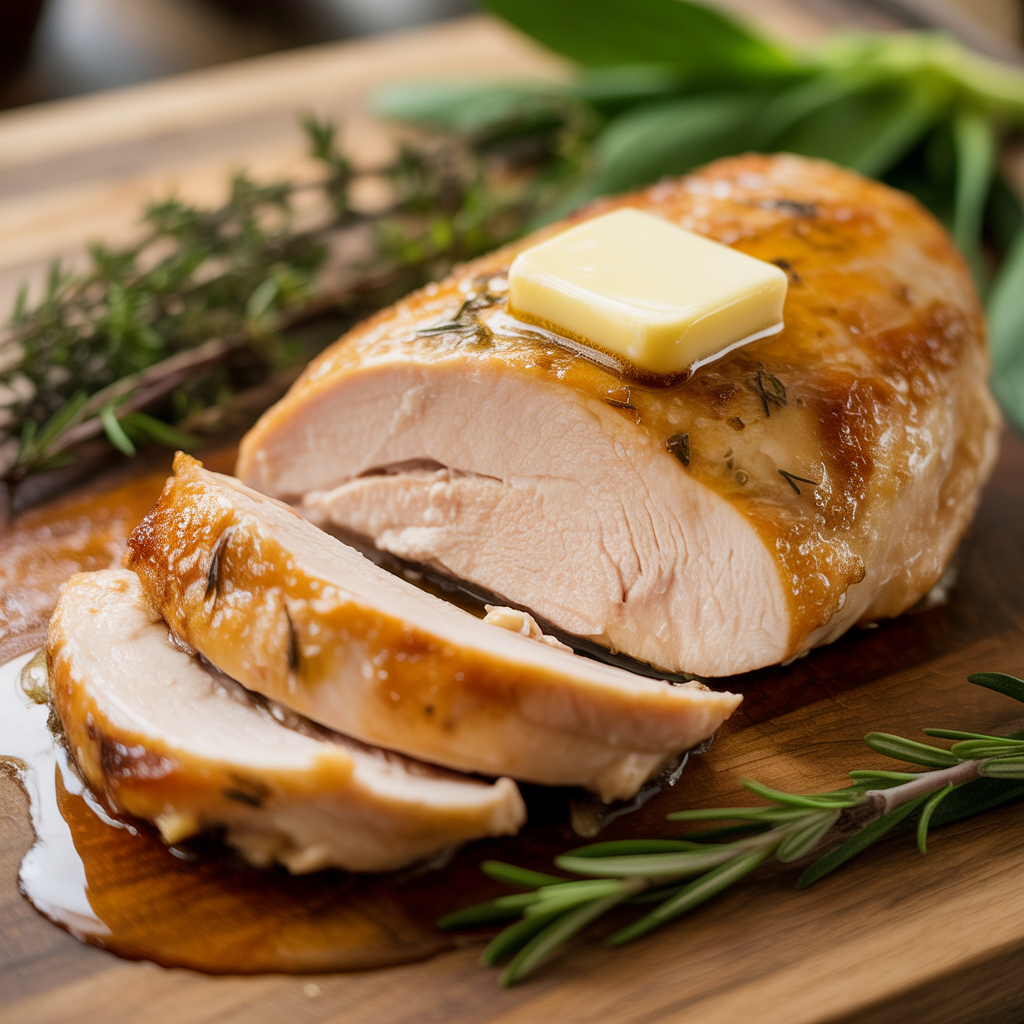
Chicken breast is one of the most popular proteins in the world — it’s lean, versatile, and readily available. But there’s one problem almost every home cook has faced: dry, rubbery chicken breast that’s about as enjoyable to eat as cardboard. The good news? Cooking juicy, tender chicken breast is absolutely achievable once you understand a few key techniques and principles.
In this comprehensive guide, you’ll learn exactly how to cook chicken breast without drying it out, covering everything from preparation to cooking methods, temperatures, and resting tips.
Why Does Chicken Breast Dry Out?
Before diving into solutions, it helps to understand the problem. Chicken breast is a very lean cut of meat with very little fat or connective tissue. This means it has almost no natural protection against drying out when exposed to heat.
- Overcooking is the #1 cause of dry chicken breast. When internal temperature exceeds 165°F (74°C) for too long, the muscle fibers contract and squeeze out moisture.
- High, uneven heat can cook the outside too quickly before the inside is done.
- Skipping the rest period after cooking causes juices to run out immediately when the meat is cut.
- Uneven thickness means thinner parts overcook while thicker parts are still raw.
Step 1: Start With the Right Chicken Breast
The journey to juicy chicken breast begins at the grocery store or butcher.
- Choose fresh over frozen when possible. Fresh chicken breast tends to retain moisture better during cooking.
- Opt for bone-in, skin-on chicken breasts if you want maximum juiciness. The bone conducts heat slowly and the skin acts as a natural moisture barrier.
- If using boneless, skinless chicken breast, look for ones that are similar in size so they cook evenly.
- Avoid chicken breasts that look overly large or “enhanced” with added water and sodium solutions, as these can cook unevenly.
Step 2: Pound or Butterfly the Chicken for Even Thickness
One of the most overlooked tricks is evening out the thickness of the chicken breast before cooking.
Chicken breasts are naturally tapered — thick on one end and thin on the other. This causes the thin part to overcook by the time the thick part is done.
How to Pound Chicken Breast:
- Place the chicken breast in a zip-lock bag or between two sheets of plastic wrap.
- Use a meat mallet or rolling pin to gently pound the thick end until it matches the thickness of the thin end.
- Aim for an even thickness of about ¾ inch (2 cm).
How to Butterfly Chicken Breast:
- Place the breast flat on a cutting board.
- Hold it steady with one hand and use a sharp knife to slice horizontally through the middle, stopping before cutting all the way through.
- Open it like a book. You can leave it butterflied or separate it into two thinner cutlets.
Step 3: Brine the Chicken (Highly Recommended)
Brining is a game-changing technique that dramatically increases moisture retention in chicken breast. There are two types of brines:
Wet Brine
A wet brine is a solution of water and salt (sometimes with sugar and aromatics) that the chicken soaks in before cooking.
- Basic ratio: 1 tablespoon of kosher salt per 1 cup of water
- Time: 15 minutes to 4 hours (don’t go beyond 6 hours or the texture becomes mushy)
- Optionally add sugar, garlic, bay leaves, peppercorns, or fresh herbs
The salt in the brine denatures proteins and allows muscle fibers to hold more water during cooking, resulting in juicier meat.
Dry Brine
A dry brine involves rubbing salt directly onto the chicken and letting it rest in the refrigerator.
- Ratio: About ½ teaspoon of kosher salt per pound of chicken
- Time: At least 1 hour, ideally overnight
- The salt draws out surface moisture, which then gets reabsorbed along with the salt into the meat
Dry brining also helps create a better sear or crust on the outside of the chicken.
Step 4: Season Generously
After brining (or instead of brining if you’re short on time), season your chicken breast well.
- Use kosher salt, black pepper, and your choice of spices or herbs
- Popular seasonings include garlic powder, onion powder, smoked paprika, Italian seasoning, cumin, or lemon zest
- Don’t be afraid to season both sides generously
- Add a light coating of olive oil or melted butter to help with browning and to add richness
Step 5: Bring Chicken to Room Temperature
Before cooking, take the chicken breast out of the refrigerator and let it sit at room temperature for 15 to 30 minutes. Cold chicken placed directly into a hot pan or oven creates uneven cooking — the outside overcooks before the inside reaches a safe temperature.
Step 6: Choose the Right Cooking Method
Different cooking methods work best in different situations. Here are the most effective ways to cook chicken breast without drying it out:
Method 1: Pan-Searing (Stovetop)
Pan-searing creates a beautiful golden crust while keeping the inside moist and juicy.
- Heat a heavy skillet (cast iron or stainless steel) over medium-high heat until hot.
- Add 1-2 tablespoons of oil with a high smoke point (avocado oil, canola oil, or clarified butter).
- Place the chicken breast smooth-side down in the pan. Do not move it for 5-7 minutes.
- Flip once and cook the other side for 4-6 minutes depending on thickness.
- Optional: Add a knob of butter, crushed garlic, and fresh thyme in the last 2 minutes and baste the chicken.
- Use a meat thermometer to check the internal temperature — remove from heat at 160°F (71°C) (it will carry-over cook to 165°F).
- Rest for 5 minutes before slicing.
Method 2: Oven-Baking
Baking is one of the most hands-off methods and works extremely well for juicy chicken breast.
- Preheat oven to 400°F (200°C).
- Place seasoned chicken breasts in a baking dish or on a sheet pan.
- Drizzle with olive oil or dot with butter.
- Bake for 20-30 minutes, depending on the size of the breasts.
- Check internal temperature — aim for 160°F (71°C) when you pull it out.
- Cover with foil and rest for 5-10 minutes before cutting.
Pro Tip: Adding a small amount of chicken broth or water to the bottom of the baking dish creates steam, which helps keep the chicken moist.
Method 3: Sear Then Finish in Oven (Hybrid Method)
This is arguably the best method for perfectly cooked chicken breast — great crust outside, juicy inside.
- Preheat oven to 375°F (190°C).
- Heat an oven-safe skillet over medium-high heat on the stovetop.
- Sear the chicken breast for 3-4 minutes per side until golden brown.
- Transfer the entire skillet to the oven.
- Bake for 10-15 minutes until internal temperature reaches 160°F (71°C).
- Rest before serving.
Method 4: Poaching
Poaching is the gentlest cooking method and produces incredibly moist, tender chicken breast — perfect for salads, sandwiches, or meal prep.
- Place chicken breasts in a pot and cover completely with cold water or chicken broth.
- Add aromatics: garlic, onion, bay leaves, peppercorns, fresh herbs.
- Bring to a gentle simmer over medium heat — never a rolling boil.
- Cook for 15-20 minutes, or until the internal temperature reaches 165°F (74°C).
- Remove from liquid and let rest before slicing or shredding.
Method 5: Sous Vide
Sous vide cooking is the most precise method and virtually guarantees juicy chicken breast every time.
- Season the chicken and place it in a vacuum-sealed bag or zip-lock bag.
- Set your sous vide device to 140°F (60°C) for juicy and slightly firm breast, or 145°F (63°C) for more traditional texture.
- Cook for 1 to 4 hours.
- After cooking, sear in a screaming hot pan for 1 minute per side for a golden crust.
Method 6: Air Fryer
Air fryers circulate hot air to cook chicken quickly with a crispy exterior and moist interior.
- Preheat air fryer to 375°F (190°C).
- Brush chicken with oil and season well.
- Cook for 12-16 minutes, flipping halfway through.
- Check internal temperature and rest before serving.
Method 7: Grilling
Grilled chicken breast can be incredibly juicy if done correctly.
- Preheat grill to medium-high heat (around 400°F).
- Oil the grates to prevent sticking.
- Grill for 5-7 minutes per side depending on thickness.
- Use a two-zone setup: sear over direct heat, then finish over indirect heat.
- Check for 160°F internal temperature, then rest before slicing.
Step 7: Use a Meat Thermometer — Every Single Time
This is arguably the most important tip in this entire guide. Guessing when chicken breast is done is the primary reason people end up with dry, overcooked chicken.
- The USDA recommends a safe minimum internal temperature of 165°F (74°C) for chicken.
- However, you can pull the chicken off the heat at 160°F (71°C) and let carryover cooking bring it up to 165°F while it rests.
- Insert the thermometer into the thickest part of the breast, avoiding bone.
- An instant-read digital thermometer is one of the best kitchen investments you can make.
Step 8: Let the Chicken Rest
After cooking, never cut into chicken breast immediately. Let it rest on a cutting board, loosely tented with aluminum foil, for at least 5 minutes (longer for larger pieces).
During resting, the juices — which have been driven to the center by the heat — redistribute throughout the meat. Cutting too soon causes all those precious juices to run out onto your cutting board.
Step 9: Slice Against the Grain
When you do cut the chicken, always slice against the grain — perpendicular to the direction of the muscle fibers. This shortens the fibers and makes each bite more tender and easy to chew.
Look at the surface of the chicken breast — you’ll see faint lines running in one direction. Cut across those lines, not parallel to them.
Additional Tips for Juicy Chicken Breast
Use Marinades
Marinating chicken breast before cooking adds flavor and can help with moisture retention, especially marinades that contain acid (lemon juice, vinegar, buttermilk) or enzymes (yogurt, pineapple juice).
- Marinate for at least 30 minutes, ideally 2-8 hours in the refrigerator
- Don’t marinate too long in highly acidic marinades — more than 24 hours can make the texture mushy
Baste During Cooking
Basting with butter, pan drippings, or a sauce during cooking adds moisture and flavor to the surface of the chicken breast.
Cover the Pan or Use a Lid
When pan-cooking chicken breast, covering the pan after flipping traps steam and helps cook the chicken more gently and evenly.
Cook at the Right Temperature
Avoid cooking at excessively high temperatures. Medium to medium-high heat allows the chicken to cook through without burning the outside.
Add a Sauce or Glaze
Serving chicken breast with a sauce — pan sauce, cream sauce, salsa, or even just a good squeeze of lemon — adds moisture and masks any slight dryness that may occur.
Common Mistakes to Avoid
- Cooking straight from the fridge — always bring to room temperature first
- Not using a thermometer — guessing leads to overcooking
- Moving the chicken too much in the pan — let it sear undisturbed
- Skipping the rest period — juices need time to redistribute
- Using too low heat in the pan — you won’t get a proper sear and the chicken may steam instead
- Cooking chicken breasts of different sizes together — they’ll finish at different times
- Overcrowding the pan — steam builds up and prevents browning
Frequently Asked Questions
What is the best temperature to bake chicken breast?
The best oven temperature for baking chicken breast is 375°F to 425°F (190°C to 220°C). Higher temperatures (400-425°F) create better browning and take less time, while lower temperatures (350-375°F) cook more gently. Always check internal temperature regardless of time.
How long should I cook chicken breast?
Cooking time varies by method and size. As a general rule, a medium-sized chicken breast (about 6 oz/170g) takes approximately 20-25 minutes in a 400°F oven, 10-14 minutes in a pan over medium-high heat, or 12-16 minutes in an air fryer. Always use a thermometer rather than relying on time alone.
Should I cover chicken breast when baking?
You can cover the chicken with foil for the first two-thirds of baking time to trap moisture, then uncover for the last few minutes to allow the top to brown. Alternatively, cook uncovered the entire time but keep a close eye on temperature.
How do I know when chicken breast is done without a thermometer?
While a thermometer is strongly recommended, you can check doneness by piercing the thickest part — juices should run clear, not pink. The meat should feel firm but not hard when pressed. However, these visual methods are less reliable than a thermometer.
Can I reheat chicken breast without drying it out?
Yes! To reheat chicken breast without drying it out, add a splash of chicken broth or water to a covered pan and heat gently over low heat. You can also reheat in the microwave on 50% power with a damp paper towel placed over the chicken. Avoid overheating — just warm it to around 140°F (60°C).
Quick Reference: Cooking Temperature Guide
| Cooking Method | Temperature | Approximate Time (6 oz breast) |
|---|---|---|
| Oven Baking | 400°F (200°C) | 20-25 minutes |
| Pan Searing | Medium-High | 5-7 min per side |
| Sear + Oven | 375°F (190°C) oven | 3-4 min sear + 10-15 min oven |
| Poaching | Gentle simmer (~180°F) | 15-20 minutes |
| Sous Vide | 140-145°F (60-63°C) | 1-4 hours |
| Air Fryer | 375°F (190°C) | 12-16 minutes |
| Grilling | Medium-High (~400°F) | 5-7 min per side |
Target internal temperature: 160°F (71°C) when removed from heat; rests to 165°F (74°C)
Final Thoughts
Cooking juicy, flavorful chicken breast is not difficult once you master a few key principles: even thickness, proper seasoning or brining, the right cooking method, monitoring temperature, and resting the meat. Whether you’re pan-searing, baking, grilling, or poaching, following these guidelines will transform your chicken breast from dry and disappointing to tender and delicious every single time.
Invest in a good instant-read thermometer, take a few extra minutes to pound or brine your chicken, and always let it rest before cutting. These simple habits will make a world of difference in the quality of your meals.
Now that you know exactly how to cook chicken breast without drying it out, there’s no reason to ever suffer through a dry, chewy piece of chicken again. Happy cooking!