
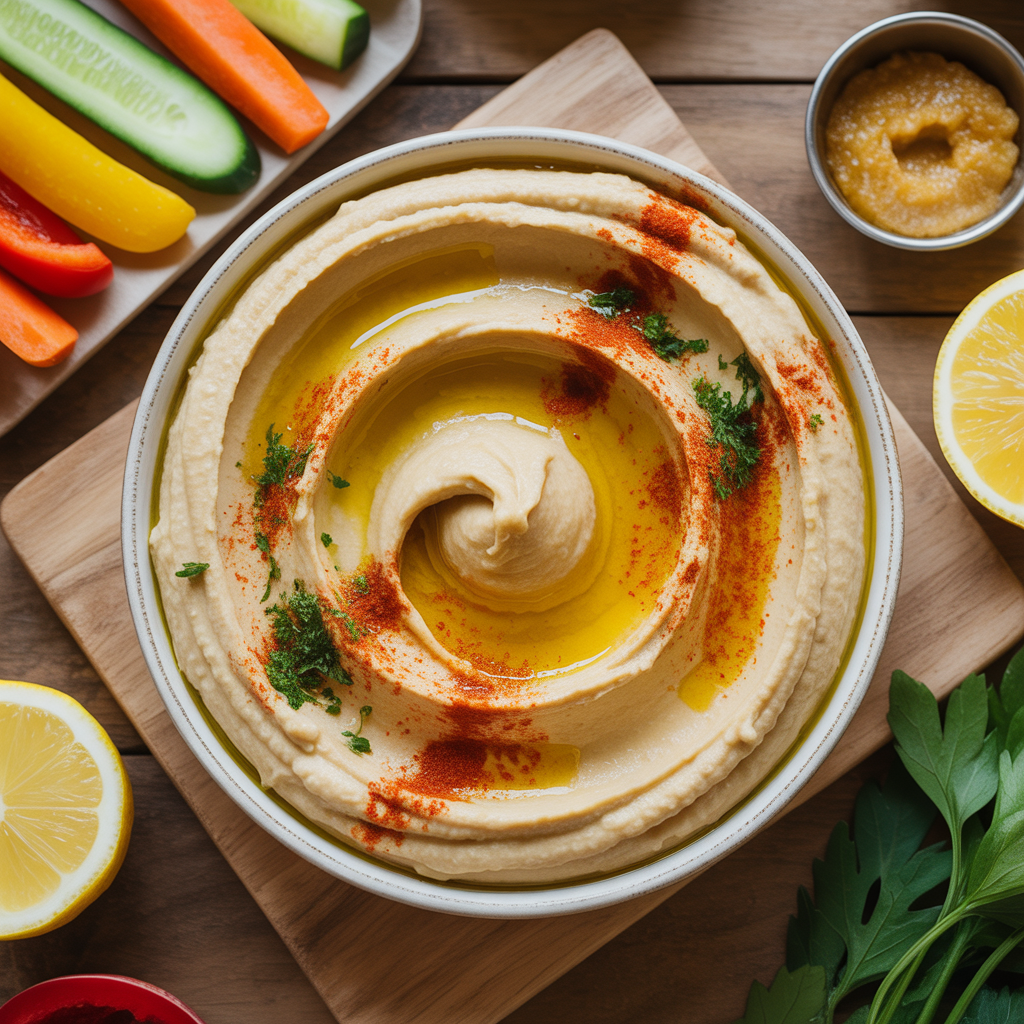
Hummus is one of the most beloved dips in the world — rich, creamy, and packed with nutrients. But if you’ve ever tried making it at home and ended up with a grainy, thick, or bland result, you’re not alone. The good news? With the right techniques and ingredients, you can make hummus that rivals (or even surpasses) anything you’d find at a restaurant or store.
In this guide, we’ll walk you through everything you need to know to make hummus that is perfectly smooth, incredibly creamy, and genuinely healthy — from choosing the right chickpeas to the secret tricks professional chefs swear by.
What Is Hummus and Why Is It So Good for You?
Hummus is a Middle Eastern dip or spread made primarily from cooked chickpeas (garbanzo beans), blended with tahini (sesame paste), lemon juice, garlic, and olive oil. It has been a staple in cuisines across the Middle East, Mediterranean, and North Africa for centuries.
From a nutritional standpoint, hummus is a powerhouse:
- High in plant-based protein — great for vegetarians and vegans
- Rich in fiber — supports digestive health
- Packed with healthy fats — from tahini and olive oil
- Contains essential vitamins and minerals — including iron, folate, phosphorus, and B vitamins
- Low glycemic index — helps regulate blood sugar levels
- Anti-inflammatory properties — thanks to olive oil and garlic
Making hummus at home also gives you full control over the ingredients, meaning you can avoid the preservatives, excess sodium, and additives commonly found in store-bought versions.
The Key Ingredients for the Best Hummus
The quality of your hummus depends heavily on the quality of your ingredients. Here’s what you’ll need and what to look for:
1. Chickpeas
You have two main options: dried chickpeas or canned chickpeas. For the absolute smoothest hummus, dried chickpeas that you cook yourself are the gold standard. They have a fresher flavor and a texture that blends more smoothly. However, high-quality canned chickpeas (look for low-sodium or no-salt-added varieties) work perfectly well and save a lot of time.
2. Tahini
Tahini is sesame seed paste, and it’s non-negotiable in authentic hummus. Not all tahinis are equal — look for a high-quality, creamy tahini made from hulled sesame seeds. Good tahini should be smooth and pourable, with a mild, slightly nutty flavor. Avoid any that taste overly bitter.
3. Lemon Juice
Always use freshly squeezed lemon juice. Bottled lemon juice can taste flat or off. Fresh lemon juice adds brightness and helps balance the richness of the tahini and olive oil.
4. Garlic
Raw garlic adds a sharp, pungent kick. If you prefer a milder flavor, you can use roasted garlic instead, which gives a sweeter, more mellow taste.
5. Olive Oil
Use a good quality extra-virgin olive oil. It adds richness, healthy fats, and a fruity, slightly peppery flavor that elevates the final result.
6. Ice-Cold Water
This is one of the most important secrets to creamy hummus. Adding ice-cold water while blending helps emulsify the ingredients and creates that signature light, airy texture.
7. Salt and Cumin
A little salt enhances all the flavors. Ground cumin adds warmth and depth — it’s traditional in many recipes and highly recommended.
The Secret to Ultra-Smooth Hummus
Many home cooks struggle with grainy or chunky hummus. Here are the most important tricks to achieve a silky-smooth result:
Tip #1: Remove the Chickpea Skins
This is the single biggest game-changer. The thin outer skin of each chickpea contributes to a grainy texture. After cooking or draining your chickpeas, take a few minutes to rub off and discard the skins. You can do this by rubbing handfuls of chickpeas between two kitchen towels, or by hand under running water. It’s a bit tedious but absolutely worth it.
Tip #2: Cook Your Chickpeas Well (If Using Dried)
If you’re cooking dried chickpeas, make sure they are very soft — almost falling apart. Undercooked chickpeas will not blend smoothly no matter how long you run your food processor. Add a pinch of baking soda to the cooking water; it helps break down the chickpeas and makes them softer.
Tip #3: Use a High-Powered Blender or Food Processor
A high-powered blender (such as a Vitamix or Blendtec) will give you the smoothest results. A standard food processor also works well but may require longer blending times. The key is to blend for longer than you think necessary — at least 3 to 5 minutes total, stopping to scrape down the sides.
Tip #4: Process the Tahini First
Before adding the chickpeas, blend the tahini with the lemon juice and garlic first for about one to two minutes. This step aerates the tahini, making it lighter and creamier — which ultimately lightens the entire hummus.
Tip #5: Add Ice-Cold Water Gradually
While blending, drizzle in ice-cold water one tablespoon at a time. The cold temperature helps emulsify the mixture and creates a lighter, fluffier texture. Use anywhere from two to five tablespoons depending on your preferred consistency.
Tip #6: Season After Blending
Taste and adjust the seasoning after you’ve blended everything. Add more lemon juice for brightness, more salt to enhance flavors, or more garlic for punch. Getting the seasoning right at the end makes a huge difference.
Classic Smooth and Healthy Hummus Recipe
Here’s a tried-and-true recipe that incorporates all the tips above:
Ingredients:
- 1 can (15 oz / 425g) chickpeas, or 1.5 cups cooked dried chickpeas
- ¼ cup (60ml) fresh lemon juice (about 1 large lemon)
- ¼ cup (60g) high-quality tahini
- 1 small clove garlic, minced
- 2 tablespoons extra-virgin olive oil, plus more for serving
- ½ teaspoon fine sea salt, or more to taste
- ½ teaspoon ground cumin
- 2 to 4 tablespoons ice-cold water
- Paprika and fresh parsley for garnish (optional)
Instructions:
- Prepare the chickpeas: If using canned, drain and rinse them. Remove as many skins as possible by rubbing them between your hands or two towels. If using dried, soak overnight, then cook with a pinch of baking soda until very soft. Let them cool slightly.
- Blend the tahini base: In your food processor or blender, combine the tahini, fresh lemon juice, and garlic. Process for 1 to 2 minutes until the mixture is thick, creamy, and slightly pale in color.
- Add the chickpeas: Add the chickpeas, olive oil, salt, and cumin. Process for another 1 to 2 minutes, scraping down the sides as needed.
- Add cold water: With the processor running, add the ice-cold water one tablespoon at a time until you reach your desired consistency. Blend for at least 2 more minutes for maximum smoothness.
- Taste and adjust: Taste the hummus and adjust seasoning. Add more lemon juice, salt, or garlic as needed.
- Serve: Transfer to a wide, shallow bowl. Use the back of a spoon to create a swirl on the surface. Drizzle generously with olive oil, sprinkle with paprika and chopped fresh parsley. Serve immediately or refrigerate.
Healthy Variations to Try
One of the best things about hummus is how versatile it is. Here are some healthy and delicious variations:
Roasted Red Pepper Hummus
Add 1 roasted red pepper (jarred or fresh) to the base recipe. It adds sweetness, color, and a boost of vitamin C.
Roasted Garlic Hummus
Replace the raw garlic with an entire head of roasted garlic. Roasting mellows the sharp bite and adds a rich, caramelized sweetness.
Beet Hummus
Blend in one small roasted beet for a stunning magenta color and a subtly sweet, earthy flavor. It’s also loaded with antioxidants.
Avocado Hummus
Add half a ripe avocado for extra creaminess and a dose of heart-healthy monounsaturated fats.
Spinach and Herb Hummus
Blend in a handful of fresh spinach, basil, or cilantro for a green, herb-forward version rich in iron and vitamins.
Turmeric Hummus
Add half a teaspoon of ground turmeric for a golden hue and powerful anti-inflammatory benefits.
How to Serve Hummus
Hummus is incredibly versatile as a food. Here are some delicious and healthy ways to enjoy it:
- As a dip with pita bread, pita chips, or naan
- With fresh vegetables like carrots, celery, cucumber, bell peppers, and broccoli — perfect for a healthy snack
- As a sandwich spread instead of mayo or butter
- As a salad dressing base — thin it out with water, lemon juice, and herbs
- As a topping for grain bowls, falafel plates, or Buddha bowls
- With eggs — try spreading hummus on toast and topping with a poached egg
- Stuffed in wraps with vegetables, grilled chicken, or falafel
How to Store Hummus Properly
Homemade hummus will keep in an airtight container in the refrigerator for up to 5 to 7 days. To prevent it from drying out, drizzle a thin layer of olive oil over the top before sealing.
You can also freeze hummus for up to 4 months. Freeze it in individual portions in airtight freezer-safe containers. Thaw in the refrigerator overnight and stir well before serving. The texture may change slightly after freezing, but a quick stir or brief re-blending will bring it back to life.
Common Mistakes to Avoid
Even with the best intentions, small mistakes can lead to subpar hummus. Here’s what to watch out for:
- Not blending long enough: Patience is key. Blend for a full 3 to 5 minutes for the smoothest result.
- Using low-quality tahini: Bitter or dry tahini will ruin the flavor. Invest in a good brand.
- Skipping the cold water: Without it, your hummus will be dense and heavy instead of light and airy.
- Underseasoning: Don’t be shy with salt and lemon. Bland hummus is a common complaint that’s easily fixed.
- Not removing chickpea skins: This step makes a noticeable difference in texture.
- Adding too much garlic: Raw garlic is potent. Start with a small amount and add more to taste.
Nutritional Information (Per Serving, approximately 2 tablespoons)
- Calories: ~70 kcal
- Protein: ~2g
- Fat: ~4g (mostly healthy unsaturated fats)
- Carbohydrates: ~6g
- Fiber: ~1.5g
- Sodium: ~100mg (varies based on added salt)
These numbers make hummus one of the most nutrient-dense snacks available, especially compared to processed dips and spreads.
Frequently Asked Questions
Can I make hummus without tahini?
Yes, you can omit tahini or substitute it with sunflower seed butter, almond butter, or simply skip it for a lighter version. However, tahini is a core ingredient in traditional hummus and contributes significantly to the creaminess and flavor.
Is hummus good for weight loss?
Yes, in moderation. Hummus is filling thanks to its protein and fiber content, which can help control appetite. It’s also relatively low in calories. Just be mindful of portion sizes, as the calories can add up quickly.
Can I use dried chickpeas instead of canned?
Absolutely, and many experts prefer it. Soak 1 cup of dried chickpeas overnight in cold water, then cook until very soft (about 1 to 1.5 hours on the stovetop with a pinch of baking soda). The result is fluffier, more flavorful hummus.
Why is my hummus bitter?
Bitterness usually comes from low-quality tahini or too much raw garlic. Try a different tahini brand and reduce the amount of garlic used.
How do I make hummus thinner?
Add more ice-cold water, one tablespoon at a time, while blending until you reach your desired consistency.
Final Thoughts
Making smooth, creamy, and healthy hummus at home is entirely achievable with the right approach. The keys are quality ingredients, removing chickpea skins, blending the tahini first, adding ice-cold water, and blending long enough. Once you’ve mastered the classic version, feel free to experiment with the many delicious variations available.
Not only is homemade hummus far superior in taste and texture to most store-bought options, but it’s also cheaper, healthier, and free from unnecessary additives. Whether you’re making it for a party, meal prep, or a quick healthy snack, this guide gives you everything you need to create the perfect bowl every time.
Give it a try — your taste buds (and your body) will thank you.