
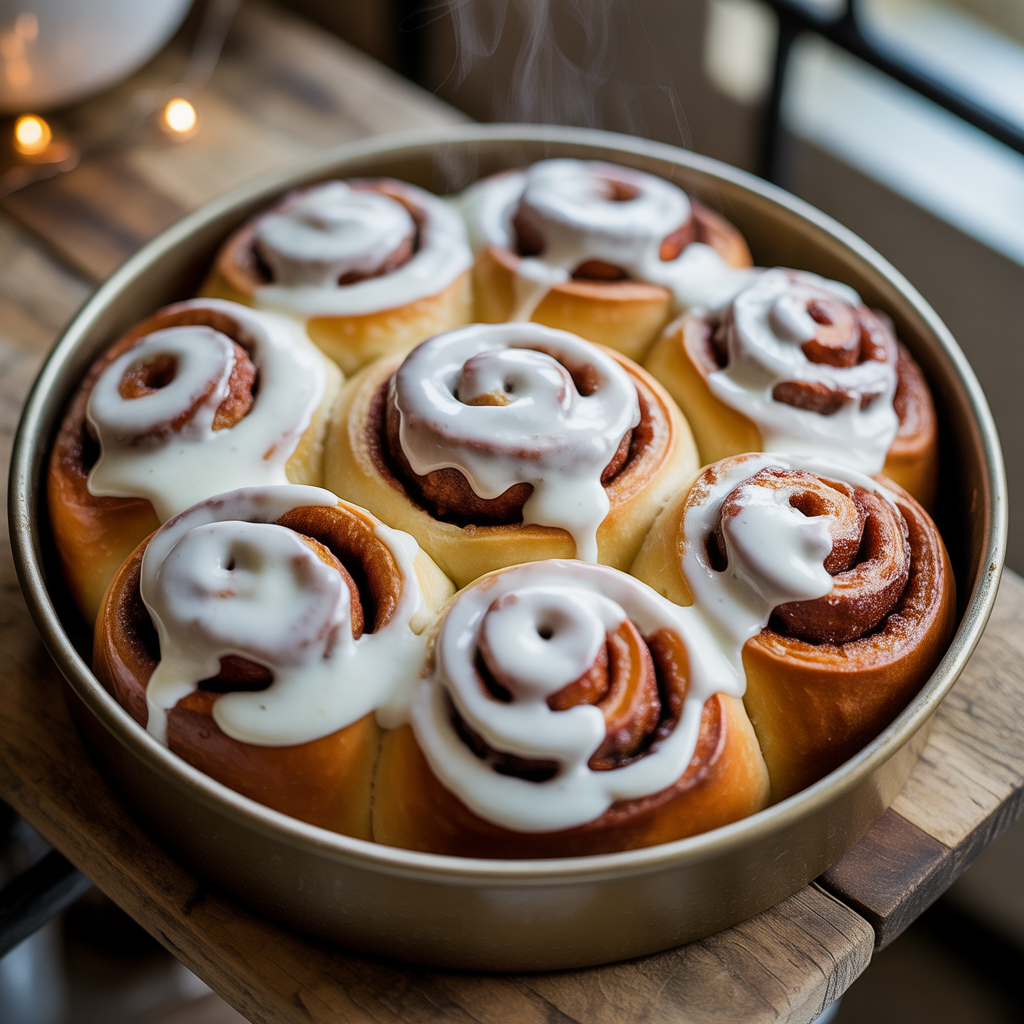
There’s nothing quite like pulling a tray of soft, gooey cinnamon rolls out of the oven — pillowy dough, swirls of cinnamon sugar, and a luscious glaze melting into every layer. But achieving that bakery-quality texture at home can feel tricky. Whether your rolls have come out dry, dense, or tough before, this guide covers every tip, technique, and secret ingredient you need to make cinnamon rolls that are perfectly soft and irresistibly gooey every single time.
Understanding What Makes Cinnamon Rolls Soft and Gooey
Before diving into techniques, it helps to understand the science. The softness of a cinnamon roll comes from:
- High fat content in the dough (butter, milk, eggs)
- Proper gluten development — enough to create structure but not so much that rolls become tough
- Correct proofing — allowing the yeast to fully do its job
- Moisture retention — keeping rolls from drying out during and after baking
The gooey factor, on the other hand, depends on the filling ratio, the type of sugar used, and how much butter is layered inside. Getting both elements right means paying attention to every stage of the process.
Choosing the Right Ingredients
1. Use Bread Flour or All-Purpose Flour (The Right Way)
Bread flour has a higher protein content, which creates more gluten and gives rolls a chewier, sturdier crumb. All-purpose flour produces a more tender, softer result. For the softest cinnamon rolls, all-purpose flour is typically the better choice. However, you can use a blend — 75% all-purpose and 25% bread flour — for rolls that are soft yet have just enough structure to hold their swirls.
2. Use Full-Fat Dairy
Fat is your best friend when making soft rolls. Always use:
- Whole milk (not skim or low-fat) — the fat content adds tenderness and richness
- Unsalted butter — both in the dough and in the filling
- Eggs — they add structure, richness, and moisture
Some bakers also add a touch of heavy cream poured over the rolls just before baking. This technique (described below) is a game-changer for achieving ultra-gooey rolls.
3. Use Instant Yeast or Active Dry Yeast Correctly
Yeast is the engine of your dough. Both instant and active dry yeast work, but they behave slightly differently:
- Instant yeast can be added directly to dry ingredients — no proofing required
- Active dry yeast should be dissolved in warm milk (around 110°F / 43°C) with a pinch of sugar for 5–10 minutes before use
Always check that your yeast is fresh. Old or dead yeast will prevent your dough from rising properly, leading to dense, hard rolls.
4. Add a Tangzhong or Use Scalded Milk
One of the best-kept secrets for incredibly soft rolls is the tangzhong method — a Japanese technique that involves cooking a small portion of flour and milk (or water) into a paste before adding it to the dough. This pre-gelatinizes the starches, which allows the dough to absorb and retain more moisture, resulting in rolls that stay soft for days.
To make a simple tangzhong:
- Combine 3 tablespoons of flour with ½ cup of whole milk in a small saucepan
- Cook over medium heat, stirring constantly, until it thickens into a paste (around 149°F / 65°C)
- Let it cool to room temperature before adding to your dough
Making the Perfect Soft Dough
Step 1: Warm Your Milk to the Right Temperature
Temperature matters enormously. Milk that is too hot will kill the yeast; milk that is too cold won’t activate it. Aim for 105°F to 115°F (40°C to 46°C) — it should feel warm but not hot to the touch. Use a kitchen thermometer for accuracy.
Step 2: Don’t Over-Flour the Dough
One of the most common mistakes home bakers make is adding too much flour. A sticky dough is scary to work with, but it produces far softer rolls than a stiff, over-floured one. The dough should:
- Pull away from the sides of the bowl while mixing
- Feel slightly tacky but not sticky enough to leave residue on your hands
- Pass the “windowpane test” — a small piece stretched thin should be translucent without tearing
If you need to add flour while kneading, add it one tablespoon at a time.
Step 3: Knead Properly
Proper kneading develops gluten, which gives the dough its structure and traps air bubbles from the yeast. Knead by hand for about 8–10 minutes, or use a stand mixer with a dough hook on medium speed for 5–7 minutes. The dough is ready when it’s smooth, elastic, and bounces back when poked.
Step 4: Allow a Long, Slow Rise (Cold Proof Option)
For the most flavor and the softest texture, consider a cold proof (overnight rise). After the first rise at room temperature (about 1 to 1.5 hours until doubled), shape your rolls, place them in the baking pan, cover tightly with plastic wrap, and refrigerate overnight (8–12 hours). Before baking, take them out and let them come to room temperature and puff up for 1–2 hours.
This slow fermentation develops complex flavors and allows the gluten to relax, making the rolls even more tender.
Getting the Gooey Filling Right
Use Softened Butter — Not Melted
Spread softened (room temperature) butter over the rolled-out dough rather than melted butter. Softened butter creates a thicker, more even layer that helps the cinnamon sugar stick and creates distinct swirls when cut. Melted butter tends to run off the edges and creates a messier, less uniform roll.
Use Brown Sugar Over White Sugar
Dark or light brown sugar is the key to that gooey, caramel-like filling. The molasses content in brown sugar melts into a sticky, rich syrup as it bakes. White granulated sugar will work in a pinch, but the result will be less gooey and less flavorful.
Don’t Skimp on Cinnamon
Use a generous amount of ground cinnamon — at least 2 to 3 tablespoons for a standard batch. Fresh, high-quality cinnamon makes a big difference. Consider using Ceylon cinnamon for a lighter, more complex flavor, or Saigon (Vietnamese) cinnamon for a bolder, spicier taste.
The Heavy Cream Trick
This is arguably the single most impactful trick for making cinnamon rolls gooey. Just before placing your rolls in the oven, pour ½ cup of warm heavy cream evenly over the rolls in the pan. As they bake, the cream is absorbed into the dough and mingles with the filling, creating an extraordinarily moist, rich, and gooey center. This technique is used by many professional bakers and produces results that closely mimic Cinnabon-style rolls.
Baking Tips for Soft Cinnamon Rolls
Don’t Overbake
Overbaking is the number one reason cinnamon rolls turn out dry. Remove them from the oven when they are lightly golden on top and the internal temperature reads between 185°F and 190°F (85°C–88°C). They may look slightly underdone in the center — that’s perfectly fine. Residual heat will continue to cook them.
Bake at the Right Temperature
Most cinnamon roll recipes call for baking at 350°F (175°C). This moderate temperature allows the rolls to cook through without over-browning or drying out on the outside before the inside is done. Avoid baking at temperatures above 375°F, as this creates a hard exterior.
Pack Rolls Tightly in the Pan
Placing rolls close together in the baking pan forces them to rise upward rather than outward. This creates rolls with a soft, pillowy interior. Leave only a small gap (about ¼ inch) between each roll when placing them in the pan. As they proof and bake, they’ll grow together, pulling apart into beautifully soft sides.
Cover With Foil If Browning Too Fast
If the tops of your rolls are browning before the insides are fully cooked, loosely tent the pan with aluminum foil about halfway through baking. This traps steam and prevents the tops from drying out or becoming overly crisp.
Frosting and Glazing for Maximum Gooeyness
Apply Frosting While Rolls Are Still Warm
For the most gooey, melty result, apply your frosting or glaze while the rolls are still warm (not hot) — about 5 to 10 minutes out of the oven. The warmth causes the frosting to melt into the crevices of the rolls, permeating every layer with sweetness.
Cream Cheese Frosting Recipe
The classic topping for cinnamon rolls is a cream cheese frosting. Here’s a simple recipe:
- 4 oz (113g) softened cream cheese
- 1 cup (120g) powdered sugar, sifted
- 3 tablespoons whole milk or heavy cream
- 1 teaspoon vanilla extract
- Pinch of salt
Beat the cream cheese until smooth, then mix in the remaining ingredients until you achieve a pourable but thick consistency. For extra gooey rolls, make the frosting slightly thinner so it drips down into the rolls.
Maple Glaze Alternative
For a simpler option, whisk together:
- 1 cup powdered sugar
- 2–3 tablespoons pure maple syrup
- 1–2 tablespoons milk
This creates a glossy, sweet glaze with a hint of maple flavor that pairs beautifully with cinnamon.
How to Keep Cinnamon Rolls Soft After Baking
Even perfect cinnamon rolls can dry out if not stored correctly. Here’s how to keep them soft:
- Store in an airtight container at room temperature for up to 2 days
- Reheat individual rolls in the microwave for 20–30 seconds with a small cup of water placed next to them (the steam keeps moisture in)
- Freeze unfrosted rolls after baking — wrap individually in plastic wrap, then store in a freezer bag for up to 2 months. Thaw at room temperature and warm before frosting.
- Add a slice of bread inside the storage container — the bread releases moisture that keeps the rolls soft
Common Mistakes to Avoid
- Using milk that is too hot — kills the yeast and prevents rising
- Adding too much flour — results in dense, dry rolls
- Skipping the second proof — rolls will be tight and bread-like instead of fluffy
- Rolling the dough too thin — thin dough means fewer layers and less softness
- Overbaking — the most common cause of dry cinnamon rolls
- Cutting with a knife — use unflavored dental floss or a sharp serrated knife for clean cuts that don’t compress the dough
Pro Tip: Use Dental Floss to Cut Rolls
Cutting rolled dough with a regular knife compresses it and deforms your beautiful swirls. Instead, slide a piece of unflavored dental floss under the roll log, cross the ends over the top, and pull tight. This slices through cleanly without crushing the dough, giving you perfectly shaped rolls every time.
Full Soft and Gooey Cinnamon Roll Recipe Summary
Here’s a quick reference for a standard batch:
- Dough: 3 cups all-purpose flour, 2¼ tsp instant yeast, ¾ cup warm whole milk, ¼ cup sugar, ¼ cup softened butter, 1 egg, 1 tsp salt (optional: tangzhong made from 3 tbsp flour + ½ cup milk)
- Filling: 4 tbsp softened butter, ¾ cup packed brown sugar, 2½ tbsp cinnamon
- Before baking: Pour ½ cup warm heavy cream over rolls
- Bake: 350°F (175°C) for 20–25 minutes until just golden
- Frost: Cream cheese frosting applied while warm
Final Thoughts
Making cinnamon rolls that are truly soft and gooey comes down to respecting the dough, being generous with fat and sugar in the filling, and avoiding the most common pitfall of overbaking. Whether you try the heavy cream pour-over technique, the tangzhong method, or simply nail your proofing times, the difference will be unmistakable. With a little patience and these proven strategies, you’ll be pulling out trays of warm, cloud-like, perfectly gooey cinnamon rolls that will impress everyone at the table.