
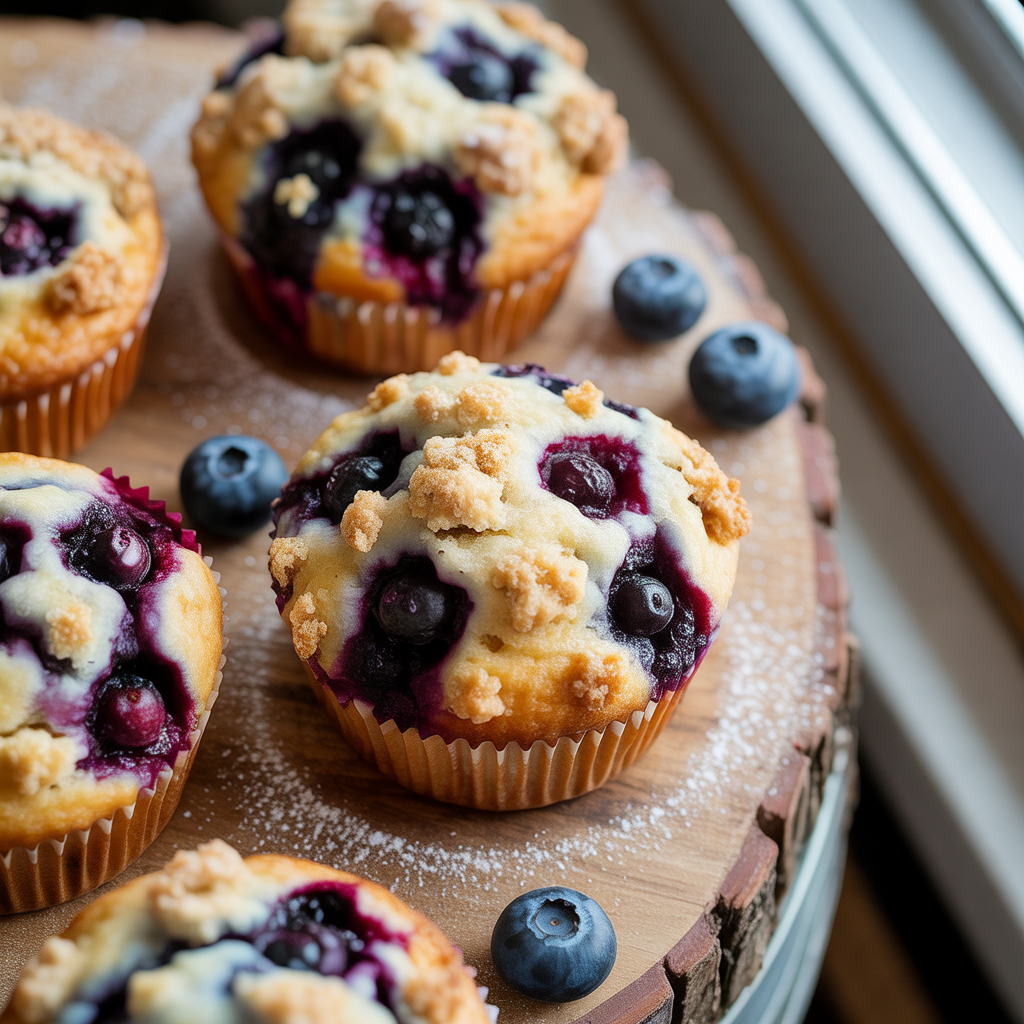
There’s nothing quite like biting into a warm blueberry muffin that’s perfectly moist, fluffy, and bursting with juicy berries. Whether you’ve struggled with dry, dense muffins in the past or you’re simply looking to perfect your recipe, this comprehensive guide will walk you through every technique, ingredient, and trick you need to make the best blueberry muffins of your life.
Why Do Blueberry Muffins Turn Out Dry or Dense?
Before diving into the solutions, it helps to understand the most common reasons muffins fail to reach their fluffy, moist potential:
- Overmixing the batter: This develops too much gluten, resulting in tough, rubbery muffins.
- Too much flour: Incorrectly measuring flour leads to a dry, heavy crumb.
- Overbaking: Even a few extra minutes in the oven can dry out your muffins completely.
- Not enough fat: Fat is responsible for moisture and tenderness in baked goods.
- Wrong leavening ratios: Too little baking powder or soda means no lift; too much causes collapse.
The Key Ingredients for Moist and Fluffy Blueberry Muffins
Getting the right ingredients — and using them correctly — is the foundation of a perfect muffin. Here’s what you need and why each one matters:
1. All-Purpose Flour
All-purpose flour provides the structure of your muffin. For an even lighter texture, you can substitute up to half of the all-purpose flour with cake flour, which has a lower protein content and creates a more tender crumb.
2. Fat: Butter vs. Oil
This is one of the most important choices you’ll make. Melted butter gives incredible flavor, while neutral vegetable oil (like canola or sunflower oil) keeps muffins moist for longer because oil stays liquid at room temperature while butter solidifies. The best approach? Use a combination of both — butter for flavor, oil for lasting moisture.
3. Sour Cream or Greek Yogurt
This is the secret weapon of professional bakers. Adding sour cream or full-fat Greek yogurt to your batter introduces additional fat and acidity, which tenderizes the gluten and keeps the muffins incredibly moist. It also reacts with baking soda to provide extra lift.
4. Eggs
Eggs provide structure, moisture, and richness. Always use room temperature eggs, as they incorporate more evenly into the batter. For extra richness and moisture, you can add an additional egg yolk to the recipe.
5. Sugar
Besides sweetness, sugar also retains moisture. Brown sugar contains molasses, which adds even more moisture and a subtle depth of flavor. A combination of white and brown sugar works beautifully in blueberry muffins.
6. Leavening Agents
The combination of baking powder and baking soda is essential for a proper rise. Baking soda requires an acidic ingredient (like sour cream or buttermilk) to activate, while baking powder works on its own. Using both ensures a tall, fluffy dome.
7. Milk or Buttermilk
Buttermilk is highly recommended over regular milk. Its acidity tenderizes gluten, produces a finer crumb, and reacts with baking soda for a better rise. If you don’t have buttermilk, make a quick substitute: add 1 tablespoon of white vinegar or lemon juice to 1 cup of regular milk and let it sit for 5 minutes.
8. Fresh vs. Frozen Blueberries
Fresh blueberries are ideal when in season — they hold their shape better and don’t bleed color into the batter as much. Frozen blueberries work well year-round; just fold them in directly from the freezer (do not thaw) to prevent excessive bleeding. Toss your blueberries in a tablespoon of flour before folding them into the batter to keep them from sinking to the bottom.
The Perfect Blueberry Muffin Recipe
Here is a tried-and-tested recipe that produces consistently moist, fluffy, bakery-style blueberry muffins every single time.
Ingredients
- 2 cups (240g) all-purpose flour
- 2 teaspoons baking powder
- ¼ teaspoon baking soda
- ½ teaspoon salt
- ½ cup (100g) granulated white sugar
- ¼ cup (50g) brown sugar, packed
- 2 large eggs, room temperature
- ¼ cup (60ml) melted unsalted butter, slightly cooled
- ¼ cup (60ml) neutral vegetable oil
- 1 cup (240g) full-fat sour cream or Greek yogurt
- ¼ cup (60ml) whole milk or buttermilk
- 1 teaspoon pure vanilla extract
- 1½ cups (225g) fresh or frozen blueberries
- 1 tablespoon all-purpose flour (for coating blueberries)
For the Optional Streusel Topping
- ¼ cup (30g) all-purpose flour
- ¼ cup (50g) granulated sugar
- 2 tablespoons cold unsalted butter, cubed
- ½ teaspoon cinnamon (optional)
Step-by-Step Instructions
Step 1: Prepare Your Equipment and Ingredients
Preheat your oven to 425°F (220°C). Line a 12-cup muffin tin with paper liners or grease generously with butter or cooking spray. Take your eggs and sour cream out of the refrigerator at least 30 minutes before baking so they reach room temperature.
Step 2: Make the Streusel Topping (Optional but Recommended)
In a small bowl, combine flour, sugar, and cinnamon. Add cold cubed butter and use your fingertips to rub the butter into the dry ingredients until the mixture resembles coarse crumbs. Refrigerate until needed.
Step 3: Combine the Dry Ingredients
In a large mixing bowl, whisk together the flour, baking powder, baking soda, and salt. Whisking aerates the flour and ensures even distribution of leavening agents. Set aside.
Step 4: Combine the Wet Ingredients
In a separate medium bowl, whisk together the granulated sugar, brown sugar, and eggs until pale and slightly thick, about 1–2 minutes. Add the melted butter, oil, sour cream, milk, and vanilla extract. Whisk until smooth and well combined.
Step 5: Fold Wet Into Dry — The Most Important Step
Pour the wet ingredients into the dry ingredients. Using a rubber spatula, fold gently until just combined. This is the most critical technique in muffin making. Stop mixing as soon as you no longer see dry streaks of flour. The batter should look lumpy — that’s perfectly fine and actually desirable. Overmixing at this stage is the number one reason muffins turn out tough and dense.
Step 6: Fold in the Blueberries
Toss your blueberries in 1 tablespoon of flour to coat them lightly. Gently fold them into the batter using just 3–4 strokes of your spatula. Reserve a small handful to press onto the tops of the muffins before baking for a beautiful presentation.
Step 7: Fill the Muffin Cups
Divide the batter evenly among the 12 muffin cups, filling each one almost to the top — about ¾ to completely full. This is what creates those gorgeous domed tops. Press a few reserved blueberries onto the top of each muffin, then sprinkle the streusel topping evenly over each one.
Step 8: Bake Using the Two-Temperature Method
This is a professional baker’s trick for tall, domed muffins:
- Bake at 425°F (220°C) for 5 minutes. This initial high heat causes the leavening agents to react quickly, creating a rapid rise and forming that classic domed top.
- Without opening the oven door, reduce the temperature to 375°F (190°C) and continue baking for 15–18 more minutes, until the tops are golden and a toothpick inserted in the center comes out clean or with just a few moist crumbs.
Step 9: Cool Properly
Allow the muffins to cool in the pan for 5 minutes, then transfer them to a wire rack. Do not leave them in the pan for too long, as steam trapped underneath can make the bottoms soggy. Let them cool for at least 10 more minutes before eating — they will continue to set as they cool.
Pro Tips for the Moistest, Fluffiest Muffins
Measure Flour Correctly
Never scoop flour directly with your measuring cup — this compacts the flour and you’ll end up using far too much. Instead, spoon flour into the measuring cup and level it off with a straight edge, or better yet, use a kitchen scale for accuracy.
Don’t Skip the Resting Time
After mixing the batter, let it rest in the bowl for 15–30 minutes before baking. This allows the flour to fully hydrate and the leavening agents to begin activating, resulting in a more tender crumb and better rise.
Room Temperature Ingredients
Cold ingredients don’t emulsify properly, which can lead to an uneven, dense batter. Always bring your eggs, dairy, and butter to room temperature before mixing.
Use an Ice Cream Scoop
For evenly sized muffins that bake at the same rate, use a large ice cream or cookie scoop to portion the batter. This also minimizes the need to stir the batter repeatedly during portioning.
Check for Doneness Correctly
Instead of relying solely on color, use the toothpick test. Insert a toothpick into the center of a muffin — it should come out with just a few moist crumbs attached, not wet batter. You can also gently press the top; it should spring back slowly.
Add a Crunchy Sugar Topping
Even without streusel, sprinkling coarse turbinado or raw sugar over the tops before baking adds a delightful crunchy texture that contrasts beautifully with the soft interior.
Variations and Flavor Additions
Once you’ve mastered the base recipe, try these delicious variations:
- Lemon Blueberry Muffins: Add the zest of 1–2 lemons and 1 tablespoon of fresh lemon juice to the wet ingredients. The citrus brightens the berry flavor tremendously.
- Blueberry Cream Cheese Muffins: Add a small cube of cream cheese to the center of each muffin before baking for a creamy surprise.
- Blueberry Almond Muffins: Replace ¼ cup of all-purpose flour with almond flour and add ½ teaspoon of almond extract for a nutty depth.
- Cinnamon Blueberry Muffins: Add 1 teaspoon of ground cinnamon and a pinch of nutmeg to the dry ingredients for a warm, cozy flavor profile.
- Whole Wheat Blueberry Muffins: Substitute half the all-purpose flour with whole wheat flour for added fiber and a slightly nuttier taste.
How to Store Blueberry Muffins to Keep Them Moist
Proper storage is just as important as the baking process to maintain moisture:
- At room temperature: Place a paper towel at the bottom of an airtight container, arrange the cooled muffins in a single layer, and place another paper towel on top. The paper towels absorb excess moisture and prevent sogginess. They’ll keep for 2–3 days.
- In the refrigerator: Muffins can be refrigerated for up to 1 week, though the texture may become slightly denser. Warm them in the microwave for 15–20 seconds before eating.
- In the freezer: Blueberry muffins freeze beautifully. Wrap each muffin individually in plastic wrap, place them in a freezer-safe bag, and freeze for up to 3 months. Thaw overnight at room temperature or microwave from frozen for 30–45 seconds.
Frequently Asked Questions
Can I use frozen blueberries instead of fresh?
Absolutely. Frozen blueberries work very well and are available year-round. The key is to fold them into the batter while still frozen — do not thaw them first, as this releases too much liquid and can turn your batter purple. Tossing them in flour first also helps minimize color bleeding.
Why did my muffins sink in the middle?
Sunken muffins are usually caused by too much leavening, underbaking, or opening the oven door too early during baking. Make sure to measure your baking powder and soda accurately, and avoid opening the oven during the first 15 minutes of baking.
Can I make the batter ahead of time?
Yes! You can mix the batter the night before, cover it tightly, and refrigerate it. The cold batter may need an extra 1–2 minutes of baking time. In fact, refrigerating the batter overnight gives the flour more time to hydrate, which can improve the texture.
How do I make muffins without sour cream or Greek yogurt?
You can substitute an equal amount of buttermilk, whole milk with a tablespoon of lemon juice, or even mayonnaise (yes, really — it adds fat and moisture without any noticeable taste). Regular full-fat yogurt is also an excellent direct substitute.
Why are my blueberries sinking to the bottom?
This happens when the batter is too thin or the blueberries are too heavy. The solution is to toss the blueberries in 1–2 tablespoons of flour before folding them into the batter. This light coating helps them “grip” the batter and stay suspended during baking.
Summary: The Golden Rules for Moist, Fluffy Blueberry Muffins
- Use a combination of butter and oil for both flavor and lasting moisture.
- Add sour cream or Greek yogurt for an incredibly tender, moist crumb.
- Measure flour correctly — spoon into the cup and level off, or use a scale.
- Do not overmix — fold until just combined, lumpy batter is good batter.
- Fill muffin cups nearly full for bakery-style domed tops.
- Use the two-temperature baking method: start high, then reduce.
- Let the batter rest before baking for improved texture.
- Store with paper towels in an airtight container to maintain moisture.
With these techniques and this recipe in your arsenal, you’ll never settle for a dry, disappointing blueberry muffin again. Whether you’re baking for a weekend brunch, a school event, or simply treating yourself, these moist and fluffy blueberry muffins are guaranteed to impress every single time. Happy baking!